
Last updated November 18, 2026
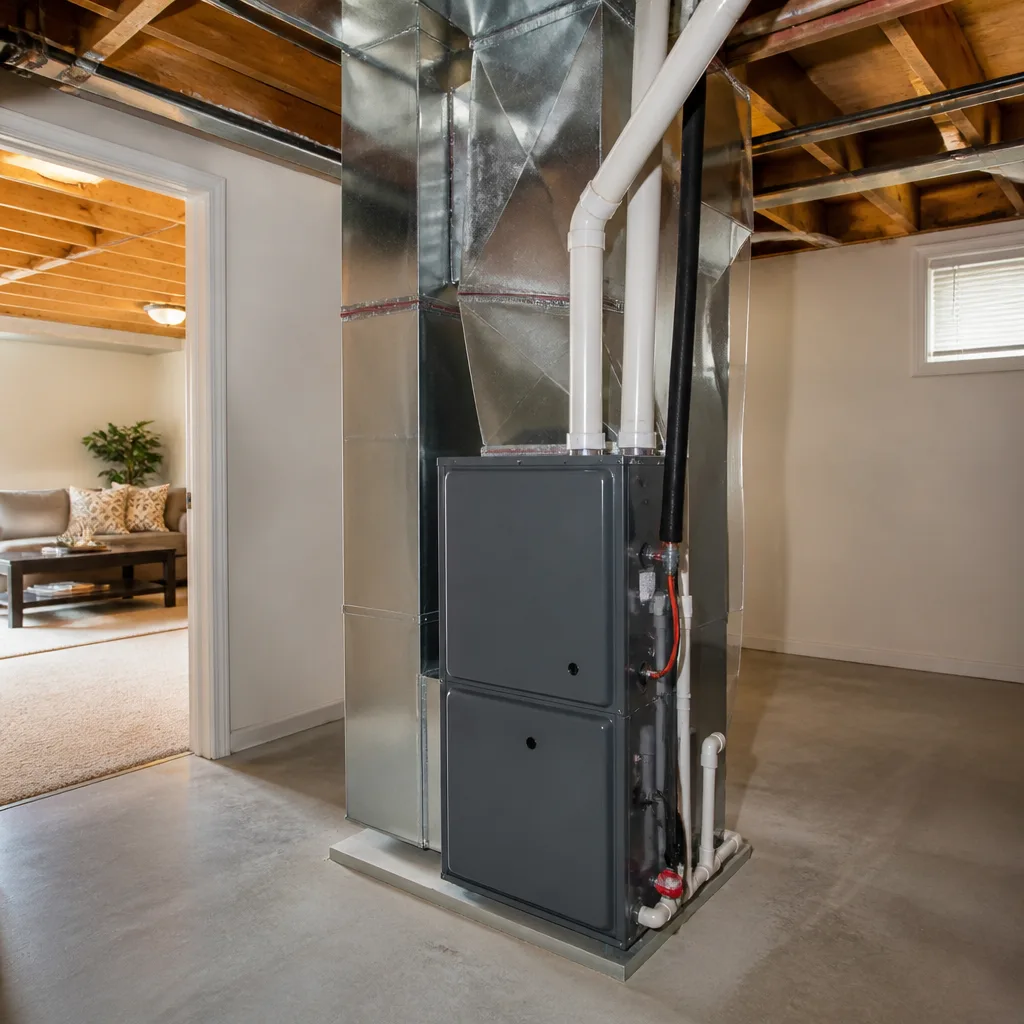 Furnace & heating
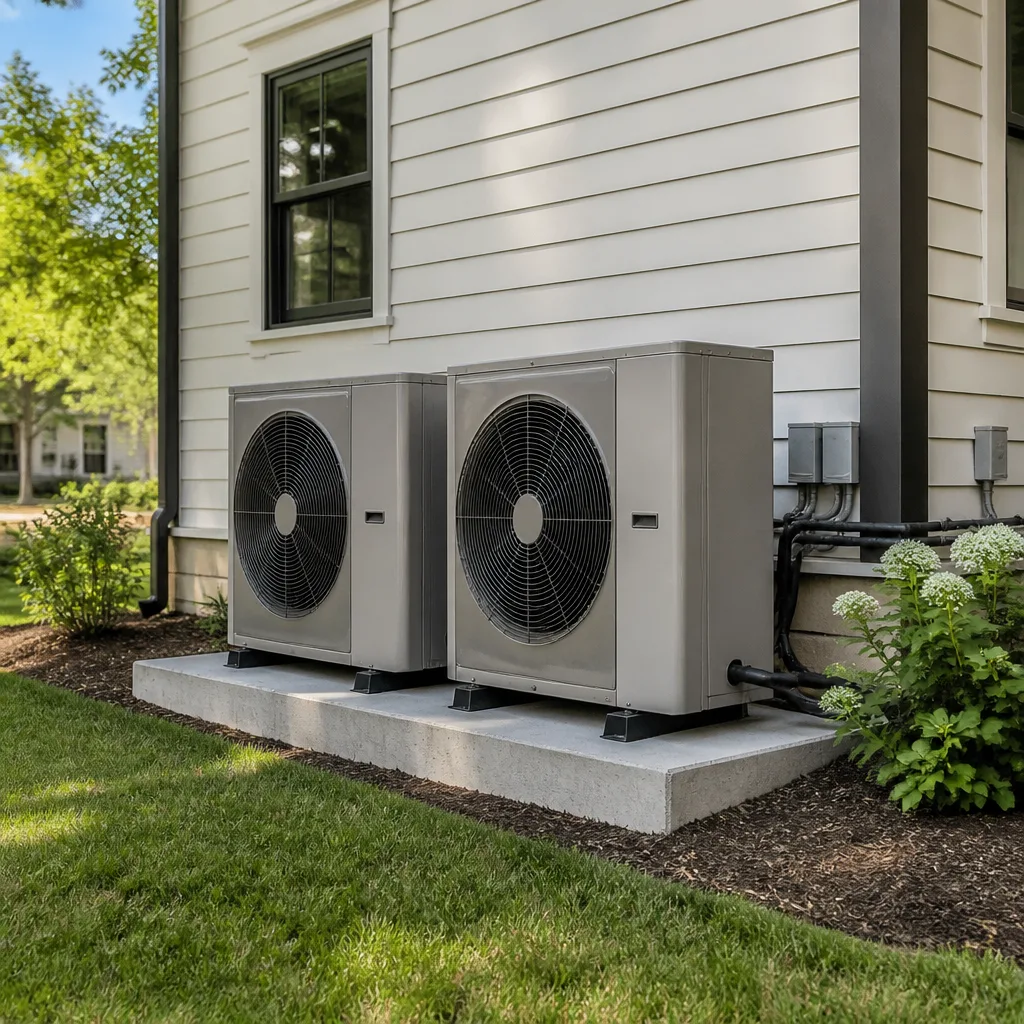 Heat pumps
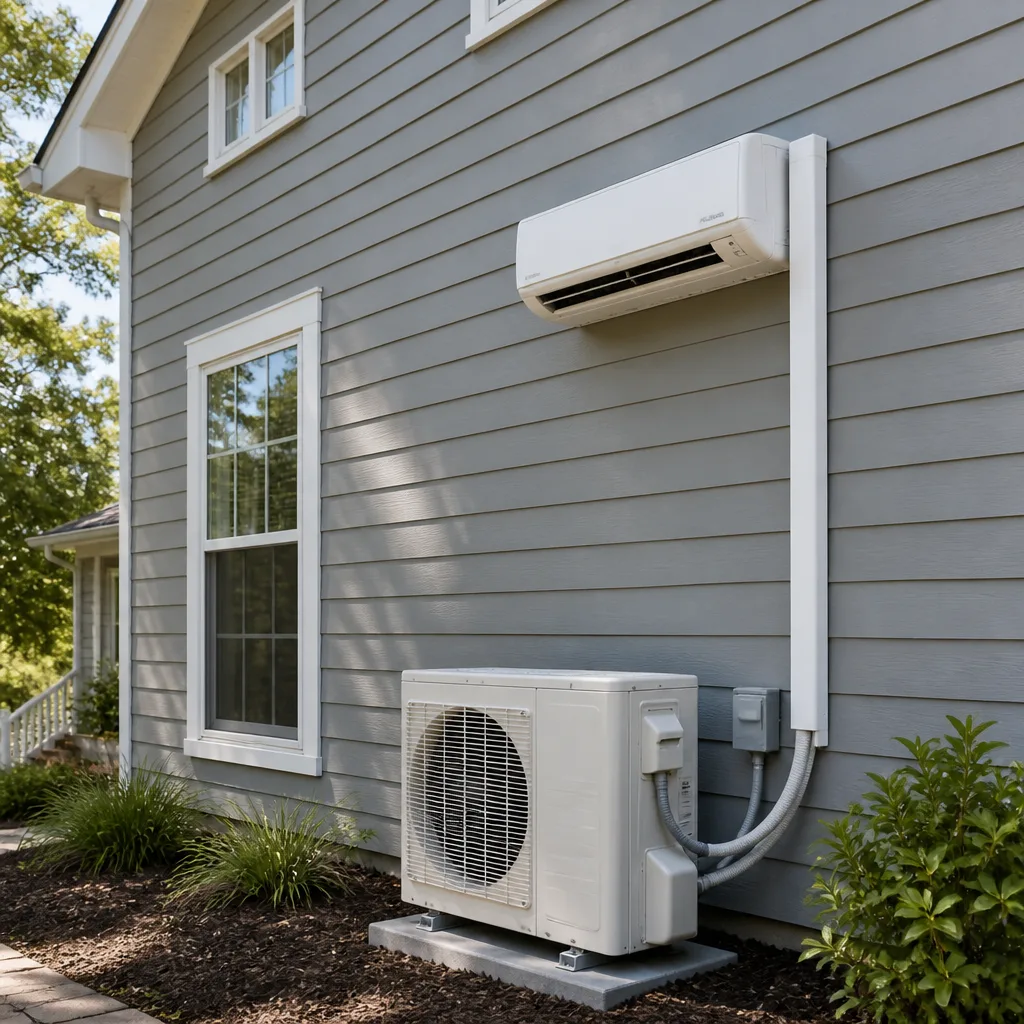 Ductless mini splits
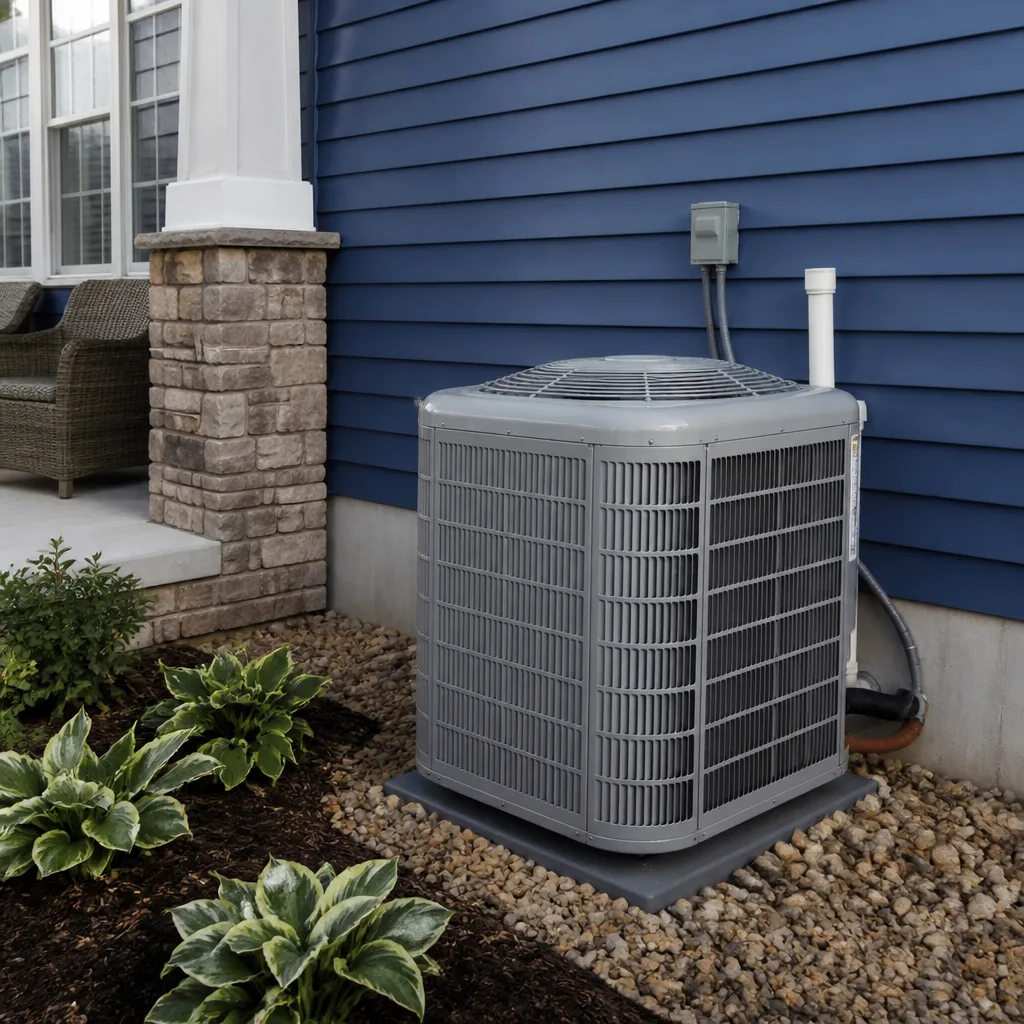 Carrier
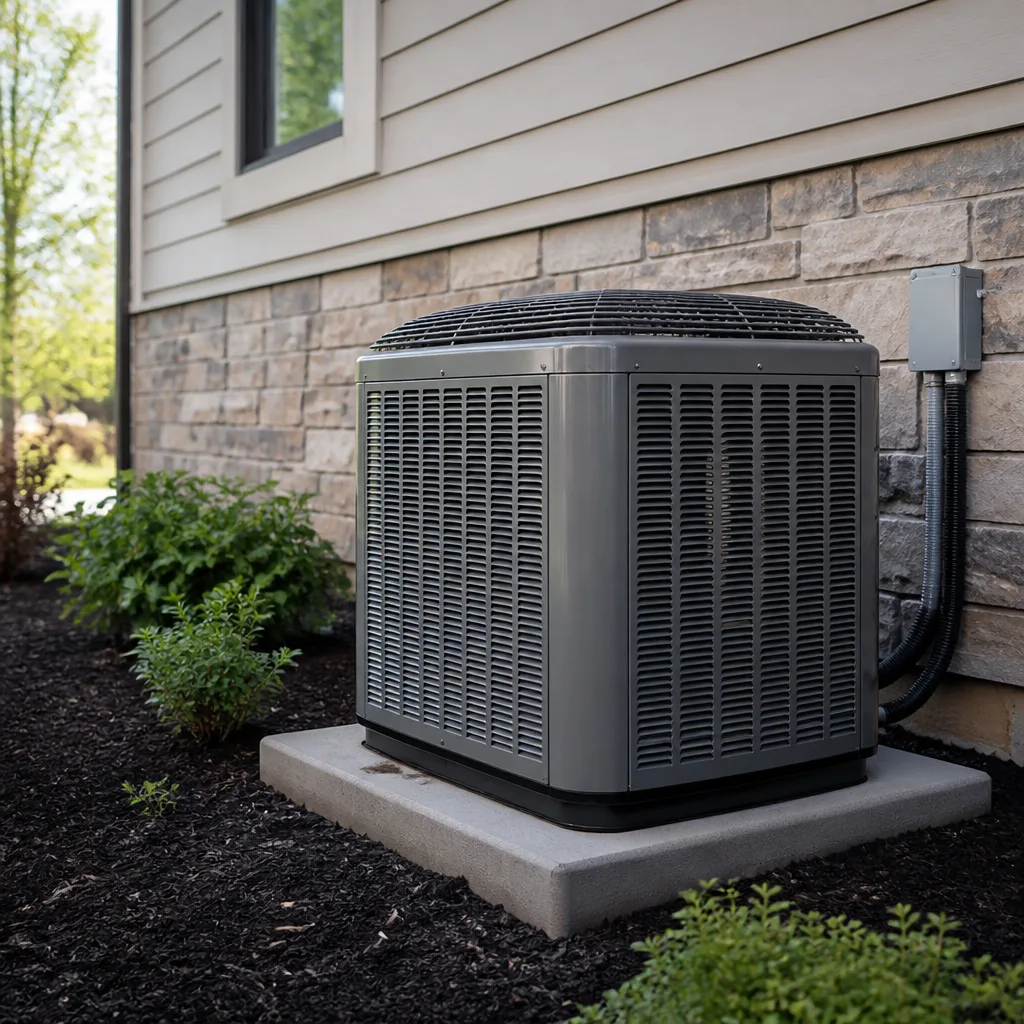 Trane
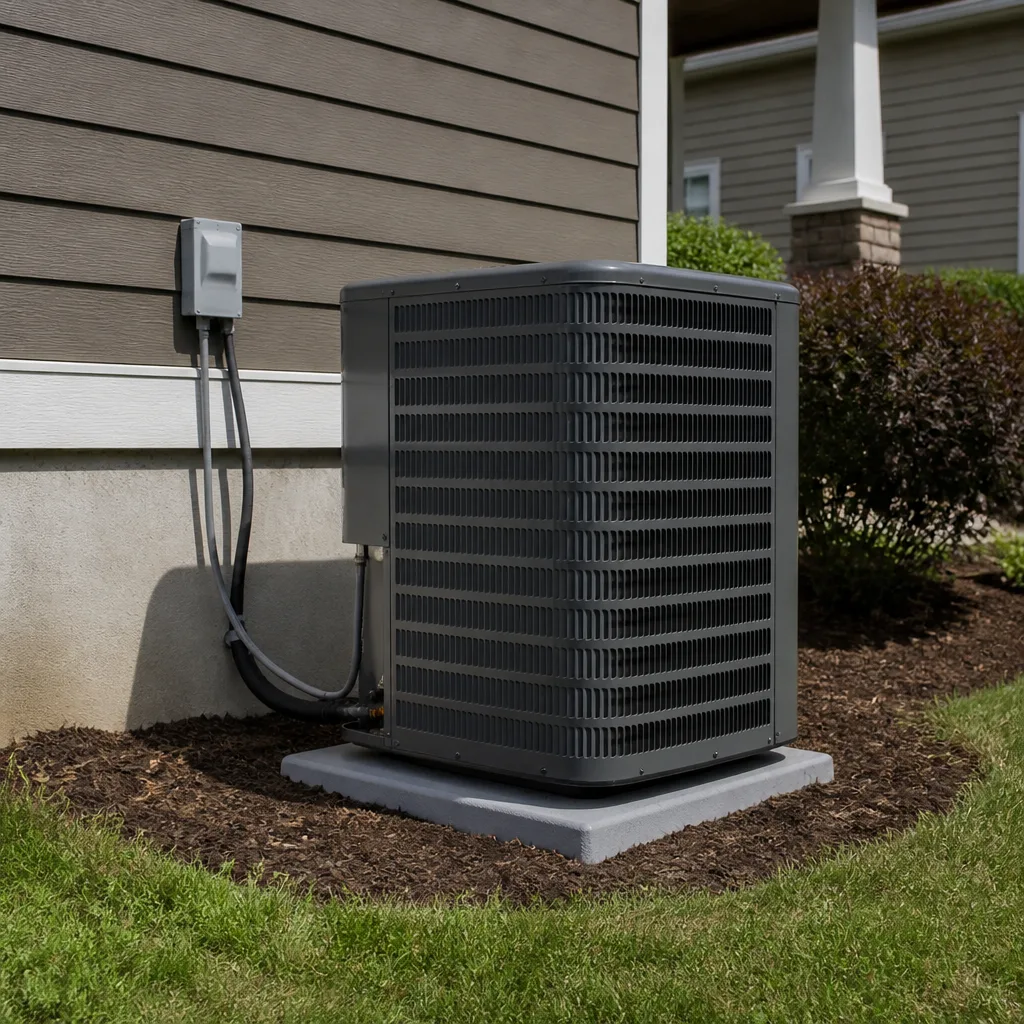 Goodman
Seasonal tune-up and full diagnostic on your Carrier, Trane, or Goodman system - readings shown to you before any repair is proposed
Diagnosis first, numbers second - you approve the repair price before a single part goes in.
Get your free estimateChoosing the Right HVAC Brand: A Buyer’s Guide for Winchester
A brand that scores at the top of national reliability surveys may earn that ranking from equipment running a few hundred hours a year in a mild climate. Winchester isn’t that climate. Here in the Mojave, a central AC unit can run two and three times those hours, cycling hard through a long cooling season, pulling dust through its coils, and baking on a roof or pad in direct sun week after week. The components that fail here aren’t always the components that fail elsewhere. This guide walks Winchester homeowners through what actually matters when picking a brand: the specs that signal desert durability, how to read a warranty past its headline length, why local parts availability beats a famous nameplate, and how to judge a dealer who only sells one brand.
Quick Answer
The right AC brand for Winchester is the one whose compressor, coil coating, and electrical components are built for sustained high-load desert operation, and whose parts a local technician can actually get when something fails. That usually points Winchester homeowners toward a well-supported mid-tier unit from a major manufacturer rather than a premium model packed with electronics that dust and heat punish. Carrier, Trane, Lennox, and American Standard are all common here, and any of them can be the correct choice depending on the specific model, warranty terms, and who services it.
Styles & brands we work with
- AC installation
- Furnace & heating
- Heat pumps
- Ductless mini splits
- Carrier
- Trane
- Goodman
Table of Contents
- Why National Brand Ratings Miss the Winchester Picture
- The Component Specs That Actually Predict Desert Durability
- How to Read a Warranty Beyond Its Length
- Why Local Parts Availability Is Its Own Category of Risk
- How Brand Tiers Work Within a Single Manufacturer
- What Brand-Agnostic Diagnosis Reveals
- Questions to Ask Any Dealer Before You Buy
- Why Installation Quality Outweighs the Brand Itself
Why National Brand Ratings Miss the Winchester Picture
Consumer Reports and similar studies pool failure data from every climate zone into one number. A unit in the Midwest might run 800 hours a year. A unit in the Mojave can run 2,200 or more. When you stack triple the runtime onto the same compressor and the same capacitors, you stress different parts first. That’s the core problem with shopping by national rank alone.
In Winchester, three forces work on an AC system at once. First, sustained runtime: the cooling season is long and the thermostat gets little rest. Second, dust: desert air carries fine particulate that loads coils and filters faster than in humid climates, so coil cleanliness and filter design matter more. Third, thermal cycling on outdoor components: the equipment sits in sun that pushes surface temperatures well above ambient air temperature, and capacitors and contactors feel that every day.
What this means practically:
- A brand ranking built on short-season performance tells you little about how its compressor handles year after year of heavy cycling.
- Reliability surveys rarely separate residential from light-commercial duty cycles, and desert residential loads run closer to commercial hours.
- The unit that ranks modestly nationally but uses a robust compressor and a well-coated coil can outperform a “top-ranked” model that skimps on those specifics.
- Winchester dust exposure makes coil protection and filter access more predictive of lifespan than a brand’s marketing tier.
So the useful question isn’t “which brand is best.” It’s “which model, from which manufacturer, is built for this load, and who can service it here.” That reframing is the whole guide.
The Component Specs That Actually Predict Desert Durability
When we compare equipment across brands, we look at a short list of specifications that correlate with how long a unit survives in Winchester heat. These are the specs worth asking a dealer to show you on the cut sheet, regardless of the logo on the cabinet.
- Compressor type. A scroll compressor is the standard in modern residential AC, and it’s generally more tolerant of the pressure swings that come with high ambient temperatures than older reciprocating designs. Ask whether the compressor is scroll and how the manufacturer rates it for high-ambient operation.
- Capacitor ratings and quality. Start and run capacitors are among the most common failures in hot climates, and they fail faster when run near their temperature limit. Higher-rated, name-brand capacitors inside the unit signal a manufacturer that expects hard duty.
- Coil coating. The outdoor condenser coil is bare metal fin stock that takes a beating from dust and heat. A factory-applied protective coating (often marketed under a manufacturer’s own trade name) can slow corrosion and help the coil shed dust. In a dust-heavy environment, this is one of the single most meaningful upgrades.
- Cabinet construction and finish. Powder-coat paint and a rigid cabinet resist sun damage and vibration better than thin, painted steel.
- Filter access and MERV rating support. Easy filter access encourages owners to change filters on schedule, and a cabinet that accepts a higher-MERV filter helps capture desert particulate before it reaches the coil.
- Fan motor type. An ECM or variable-speed indoor blower motor uses less energy and holds airflow better as filters load up, which matters when dust clogs filters quickly.
Two brands can share a compressor supplier and still differ enormously on coil coating and capacitor quality. That’s why model-level comparison beats brand-level comparison every time. When we evaluate a unit for a Winchester home, these six specs carry more weight than the badge.
How to Read a Warranty Beyond Its Length
A ten-year parts warranty sounds identical from brand to brand until you read the fine print. The length is the least useful number on the page. What matters is what’s covered, whether it’s registered, and whether labor is included.
Start with registration. Most manufacturers offer a standard parts warranty, but extend it to a longer term only when the equipment is registered with the manufacturer, usually within a set window after installation. An unregistered unit often falls back to a much shorter default term. In plain terms: the same equipment gets different coverage depending on paperwork. When you buy, confirm with the installing contractor that registration happens and that you get proof.
Next, ask what’s excluded. Common exclusions include:
- Labor, which is frequently excluded entirely from the manufacturer’s parts warranty.
- Refrigerant, which many warranties don’t cover.
- Consumables like filters and belts.
- Damage from improper installation or from a non-qualified technician’s work.
- Corrosion in coastal environments, which doesn’t apply here but tells you how manufacturers carve exceptions.
Then evaluate labor coverage realistically. Even a strong warranty helps only if the labor to swap a covered part is affordable and the part is available locally. In a market where summer demand spikes repair scheduling, a parts-only warranty can leave you paying for the labor and waiting on the part. Ask the dealer how labor is handled, and whether the manufacturer’s labor allowance is realistic for a Winchester repair in peak season.
The warranty question to carry into any showroom: If the compressor fails in year six, what do I pay out of pocket, and how long until the part arrives? That answer tells you more than the warranty brochure.
Why Local Parts Availability Is Its Own Category of Risk
A well-engineered AC unit is only as good as the local supply chain behind it. Winchester sits in a desert market where summer failures are common and repair turnaround matters, and the difference between a two-day fix and a two-week wait often comes down to whether a local technician can get the part.
Here’s the risk category most buyers don’t consider: brands that are excellent on paper but rare in local service networks. If a spec sheet points to an obscure brand, or a premium model with proprietary electronics, and no distributor nearby stocks its parts, then a covered-warranty repair can still leave you waiting on shipping while your house heats up. That’s a real cost, and it doesn’t show up in a reliability ranking.
How to check before you commit:
- Ask the dealer how quickly they can source common replacement parts (capacitors, contactors, blower motors, compressors) for the specific model.
- Ask whether the manufacturer’s parts are stocked by distributors in the region, or whether everything is special-order.
- Ask any independent technician you trust whether they regularly see and service that brand. A confident “yes, we work on those” is worth more than a national ad campaign.
- Avoid brands with proprietary control boards that only the manufacturer can supply if you want a fast local repair path.
This is where a multi-brand specialist adds value before you buy. Because we’re factory-familiar with Carrier, Trane, Lennox, Goodman, Rheem, York, Daikin, Bryant, and American Standard, we can tell you which lines we can service quickly and which tend to create parts bottlenecks in this market. When you’re choosing equipment for a Winchester home, that local serviceability check belongs on your list right next to energy efficiency.
How Brand Tiers Work Within a Single Manufacturer
Every major manufacturer sells its equipment in tiers, usually a builder-grade line, a mid-tier line, and a premium line. Buyers often assume the premium tier is always the better buy. In a dust-heavy, high-runtime climate like Winchester’s, that assumption can backfire.
Higher tiers typically add electronics and features: variable-speed compressors, communicating controls, smart-home integration, more sensors. These features deliver real comfort and efficiency gains when they work. But more electronics also means more failure points in heat and dust, and proprietary boards that cost more to replace. A premium unit with delicate controls can be a worse bet than a mid-tier unit that invests its cost in better coil protection and a proven compressor.
A practical way to think about the tiers:
- Builder-grade: Simple, single-stage equipment. Fewest electronics, easiest to repair, lowest upfront cost. Reasonable if your home’s load is modest and you want a straightforward replacement.
- Mid-tier: Two-stage or step-up single-stage with better cabinets, better coil coating, and stronger components. Often the sweet spot in desert climates because durability gains come without electronic complexity.
- Premium: Variable-speed, communicating systems with the highest efficiency and comfort. Best when the installation is done to a high standard and you value features enough to accept the higher repair costs.
The mid-tier strategy is especially relevant in Winchester. You can often get the coil coating and compressor durability of a premium unit without the electronics, and that configuration tends to hold up better under constant dust and heavy cycling. Ask your dealer to show you the mid-tier model’s coil protection and capacitor specs side-by-side with the premium model. Sometimes the mid-tier wins.
What Brand-Agnostic Diagnosis Reveals
A dealer who sells one brand has an obvious interest in recommending that brand. That doesn’t make them dishonest, but it does mean their advice on repair versus replace, or brand A versus brand B, is filtered through what they can sell. A technician who services many brands has no such filter, and that perspective is useful when you’re making a big decision.
When we diagnose a system, the brand isn’t the starting point. We look at what failed, how old the equipment is, what the repair would cost, and what a replacement would buy the homeowner in comfort and reliability. Sometimes a repair extends the life of a unit for years at a fraction of replacement cost. Sometimes the equipment has reached the end of its useful life and replacement makes better financial sense. A single-brand dealer may lean toward replacement because that’s their business. A multi-brand specialist can tell you straight.
This brand-agnostic capability matters at repair time too. If a homeowner calls and we don’t recognize the brand, the first call is a research project. With the nine major brands we’re familiar with, we’ve usually seen the model or a close relative before. We’re never pushing a homeowner toward replacement because the technician doesn’t recognize the equipment, and we’re never recommending a specific brand because that’s all we know how to service.
If you’re evaluating a dealer’s recommendation, ask them plainly: “Would you tell me the same thing if you sold the other brand?” A specialist who works across brands can answer that question honestly.
Questions to Ask Any Dealer Before You Buy
Walking into an AC purchase without questions invites a pitch instead of a conversation. These questions cut through marketing and get at what actually determines whether you’ll be comfortable and well-served in Winchester.
- What’s the model number, and can I see its specs? Brand names hide model differences. Get the specific model and compare compressor type, coil coating, and capacitor ratings.
- Does this unit need to be registered for the full warranty, and who does that? Confirm the installer handles registration and gives you proof.
- What’s covered, and what isn’t? Is labor included? Get the exclusions in writing.
- How long would a common repair take on this model? Ask about local parts availability for capacitors, motors, and the compressor.
- What’s the load calculation for my home? A properly sized system starts with a Manual J load calculation, not a square-footage guess. Oversized equipment short-cycles and can’t pull humidity or hold temperature efficiently in desert heat.
- Do you also service other brands? A multi-brand technician can give you a more balanced recommendation.
- What does the install include, and who does the work? Ask about the line set, the pad, the disconnect, and the commissioning steps.
If a dealer can’t answer these without stalling, that tells you something. A straight answer to all seven is a good sign you’re dealing with a specialist.
Why Installation Quality Outweighs the Brand Itself
You can buy the best-built unit on the market and watch it fail early because the installation was rushed. In our experience, installation quality affects performance and lifespan as much as brand choice, and in a desert climate the margin is thinner.
Proper installation starts with a real load calculation. Oversizing a system to “be safe” is a common shortcut, and it backfires: an oversized unit cools the air quickly but runs too briefly to remove humidity, which matters more than people realize in desert homes and can leave a house feeling clammy or cooling unevenly. Correct sizing comes from measuring the home’s envelope, insulation, windows, and ductwork, not from a rule of thumb.
Other install details that separate a good job from a bad one:
- Correct refrigerant charge, confirmed by measurement, not guesswork.
- Sealed and tested ductwork, especially in attics where desert heat and dust work against you.
- Proper pad or roof mounting so the outdoor unit gets airflow and sits level.
- Compatible thermostat and controls, programmed correctly for the home’s schedule.
- A clear filter-access path so the homeowner can change filters on schedule.
When we handle AC installation in Winchester, the brand is a starting point, but the sizing, installation, and commissioning are what make the system perform. Ask any dealer what their install process includes beyond the equipment. The answer says a lot about how long the system will last.
Common Mistakes to Avoid
- Buying by warranty length alone. A long parts warranty with no labor coverage and slow local parts sourcing can leave you paying for the labor and waiting. Read what’s excluded and confirm registration.
- Assuming the premium tier is always better. In a dust-heavy, high-runtime climate, a mid-tier unit with a great coil coating can outlast a premium unit loaded with electronics. Compare specific specs, not tier names.
- Oversizing the system “to be safe.” Oversized equipment short-cycles and cools poorly in desert heat. Insist on a proper load calculation for your Winchester home.
- Choosing a brand no local technician knows. A great unit with no local parts or service network creates delay and cost when it breaks. Check serviceability before you buy.
- Skipping the filter schedule. Desert dust loads filters faster than humid climates, and a clogged filter strains the system and shortens its life. Change filters on the manufacturer’s schedule, and more often in dusty months.
- Letting a single-brand dealer decide your options. A dealer who sells one line has one recommendation. A brand-agnostic technician can weigh repair versus replace, and brand versus brand, without a vested interest.
- Skipping maintenance to save money. A failing capacitor or a fouled coil can end a cooling season early. A maintenance visit catches these before the peak-heat rush, when scheduling tightens up.
See the difference
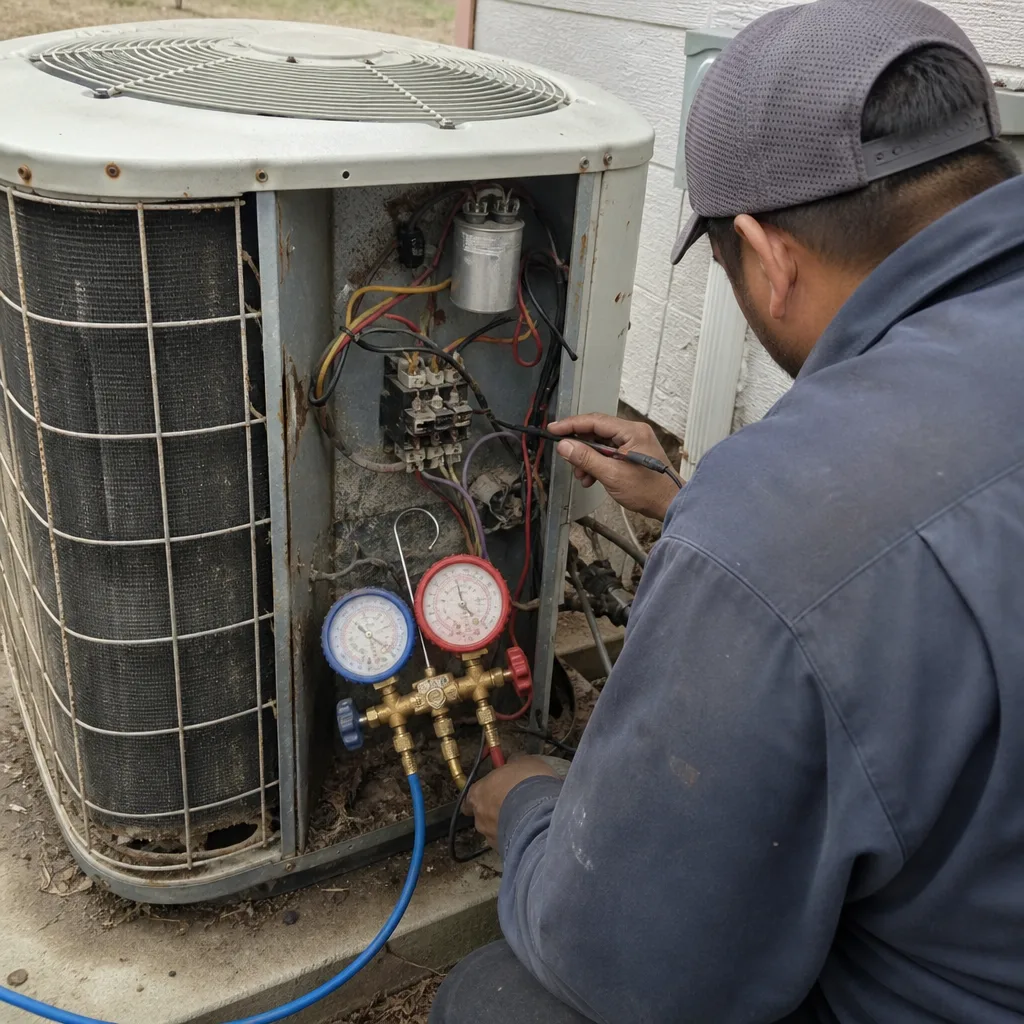 Before
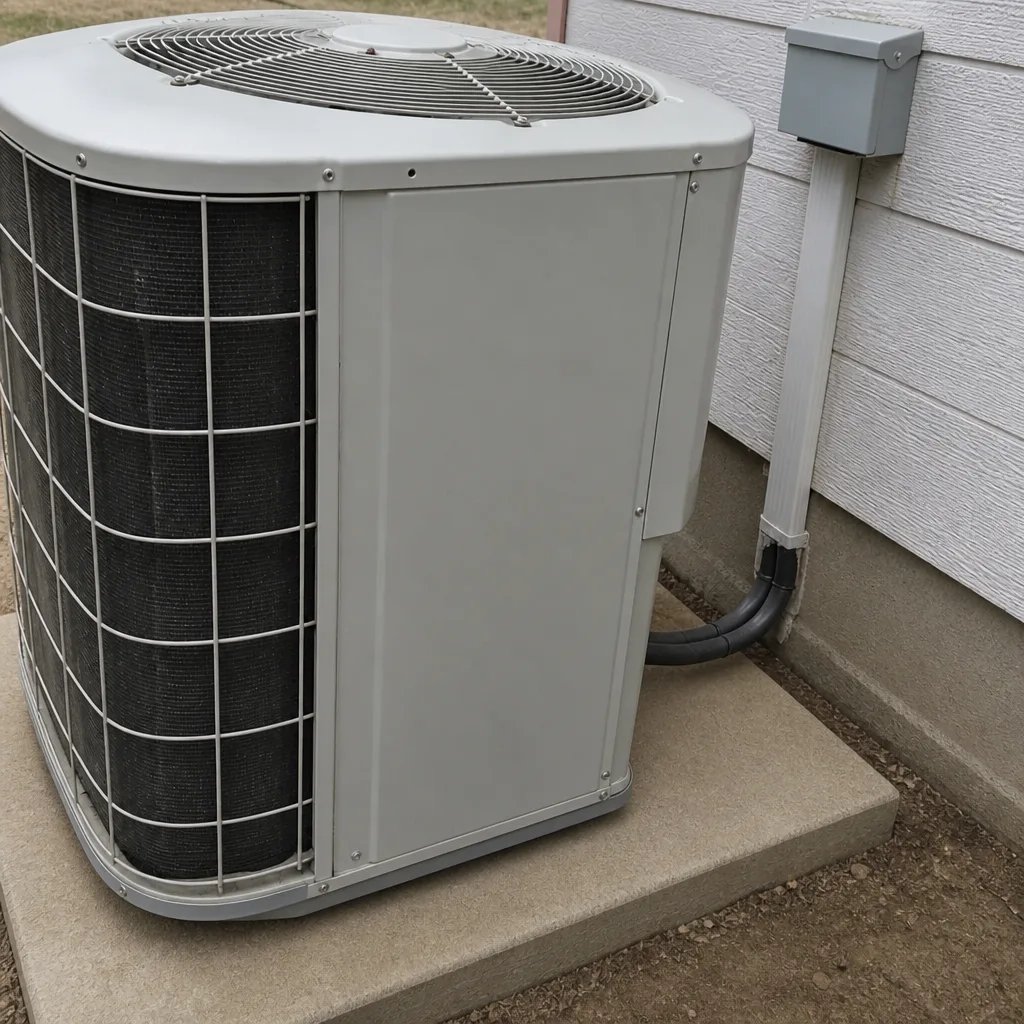 After
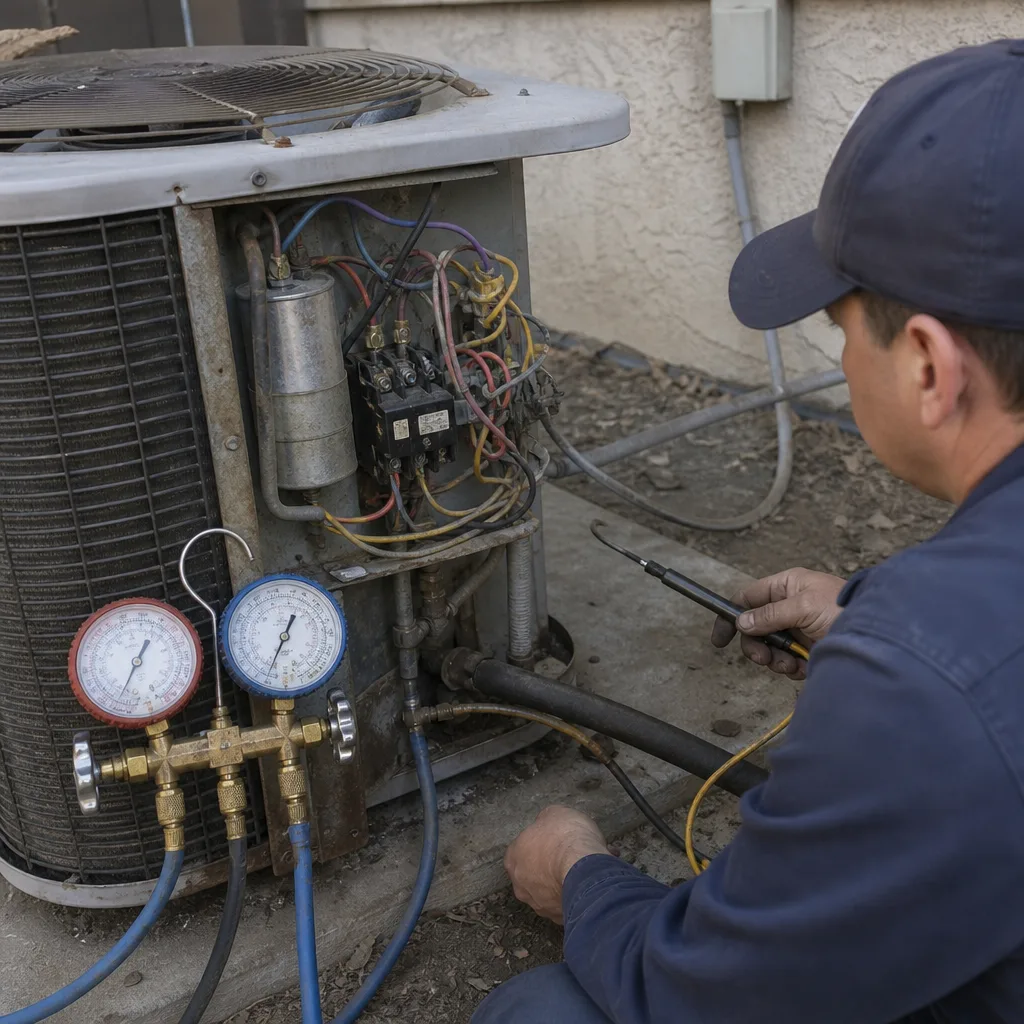 Before
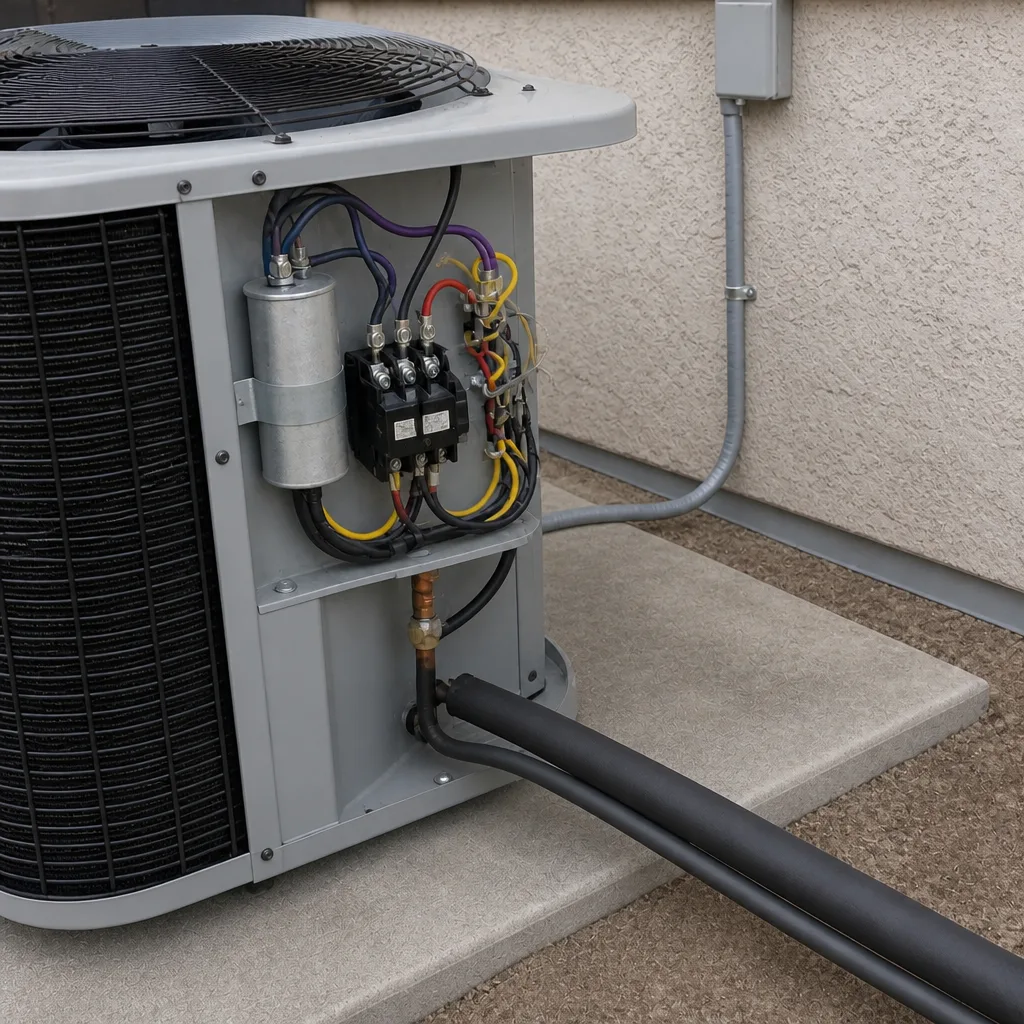 After
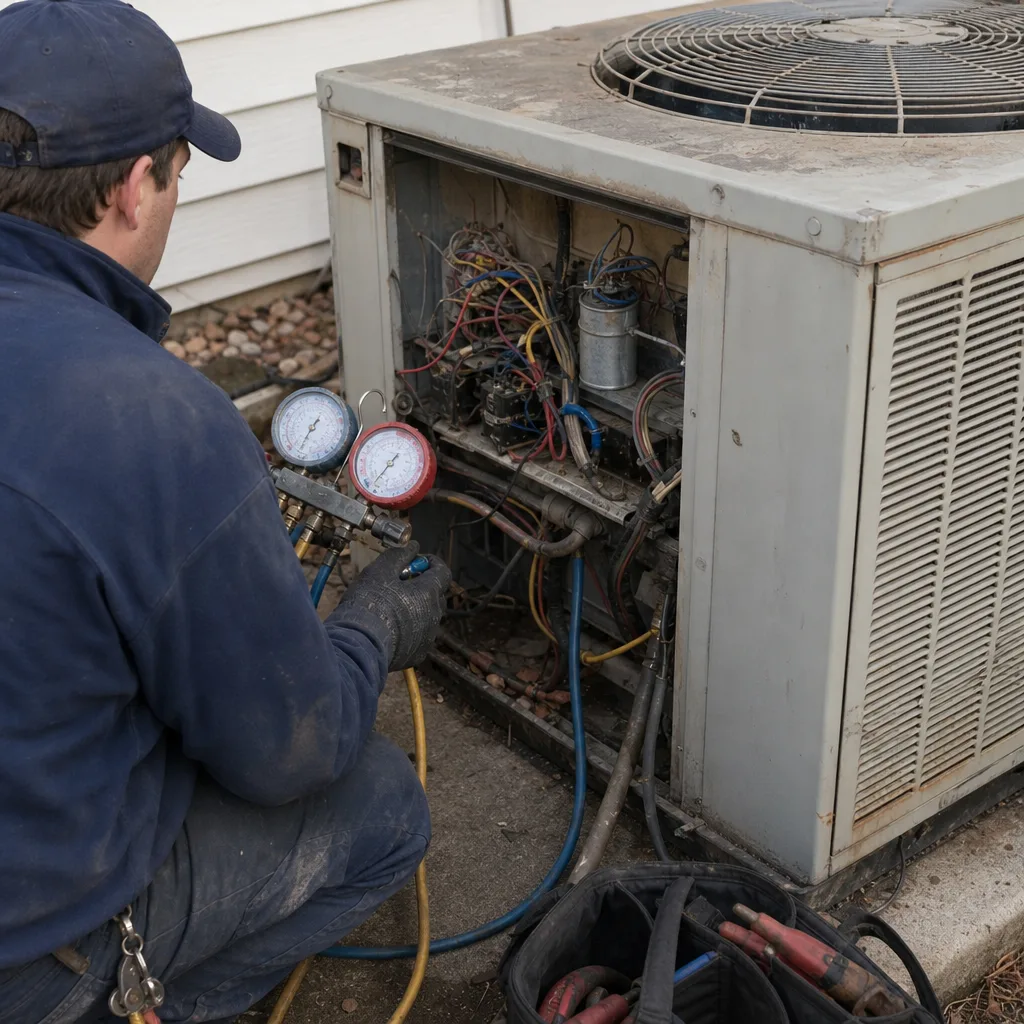 Before
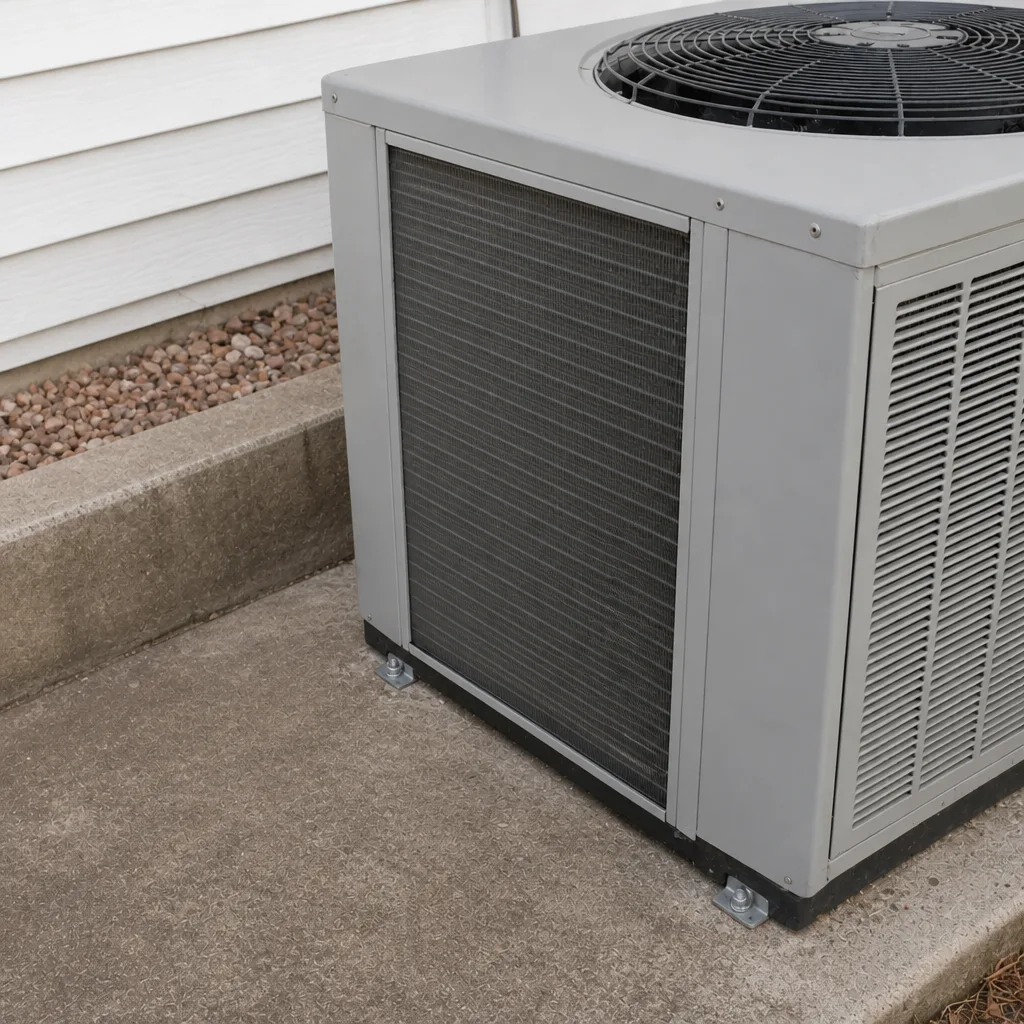 After
When to Call a Professional
Some decisions belong in the hands of a trained technician, and brand selection is one of them. Call a professional if your current system is more than ten years old and has needed multiple repairs recently, if your cooling bills are climbing without a change in habits, if a dealer has recommended a brand and you want a second opinion, or if your unit is short-cycling or failing to keep up with Winchester summer heat. High-voltage components inside an AC unit can cause serious injury, so leave capacitor, contactor, and compressor work to a trained technician rather than attempting it yourself. Winchester AC Repair offers free estimates in Winchester. Call (888) 335-7951. We answer 24/7. Fast dispatch from 7am to 7pm, Sunday through Friday.
Frequently Asked Questions
There isn’t one universal best brand, but the strong choices for Winchester are well-supported mid-tier models from major manufacturers that use scroll compressors, quality capacitors, and factory coil coatings. Carrier, Trane, Lennox, and American Standard are all common and serviceable here. The right pick depends on the specific model, your home’s load, and local parts availability. Call (888) 335-7951 for an exact recommendation after a load calculation – estimates are free.
No. Warranty length is only one factor, and often the least useful. What matters is whether the equipment is registered to unlock the full term, what’s excluded (often labor and refrigerant), and whether local parts are available so a covered repair happens quickly. A ten-year parts warranty with no labor coverage can still leave you paying for the repair. Call (888) 335-7951 to talk through warranty terms before you buy.
In our experience, many Winchester homeowners are better served by a mid-tier unit that spends its cost on coil protection and a proven compressor than by a premium model loaded with electronics. Dust and sustained runtime punish intricate components, and proprietary controls cost more to repair. If you value the comfort features of a premium system and the installation is done well, it can be a good choice too. Call (888) 335-7951 to compare specific models.
A unit that’s hard to source parts for creates its own risk category, especially in a market where summer repairs are common and turnaround matters. If no local distributor stocks common components for a brand, a covered repair can still leave you waiting. Before you buy, ask how quickly the dealer can source capacitors, motors, and compressors for the specific model. Call (888) 335-7951 to ask which brands we can service fastest in Winchester.
Often, yes. A technician who services many brands isn’t limited to recommending what their employer sells, so the repair-or-replace advice and brand comparison tends to be more balanced. That perspective is useful when a single-brand dealer recommends only their own line. For a brand-agnostic assessment of your home, call (888) 335-7951 – estimates are free.
Sustained high runtime, heavy dust, and rooftop thermal cycling change which components matter. Equipment that performs well in short-season climates may not hold up as well when it runs two to three times the hours. Coil coating, capacitor quality, and compressor design are more predictive here than national reliability rankings. To evaluate a brand for your specific Winchester home, call (888) 335-7951.
The Bottom Line
Choose the AC brand that fits your home’s load and your local service network, not the one that wins a national survey built for a different climate. Prioritize scroll compressors, strong coil coatings, and quality electrical components. Read warranties for registration terms, exclusions, and labor coverage, not just length. Check that parts are available locally before you commit. Favor a mid-tier model with better protection over a premium one loaded with electronics. And get a brand-agnostic second opinion before a single-brand dealer makes the decision for you. For a brand that runs well in Winchester, start with the specs and the service, then the logo. If your system is due for a look, we handle AC repair, installation, and maintenance for all nine major brands we service – call (888) 335-7951 for a free estimate.
Need a hand evaluating your current equipment or planning a replacement? Reach out to our team at Winchester AC Repair and we’ll walk through your options, or visit our Winchester page to learn more about how we work. Our technicians have up to 13 years of experience, and we’re factory-familiar with the nine brands we service, so you get straight answers whether you’re repairing, replacing, or maintaining. Call (888) 335-7951 for a free estimate. We answer 24/7. Fast dispatch from 7am to 7pm, Sunday through Friday.
Written by the team at Winchester AC Repair.