
Last updated November 18, 2026
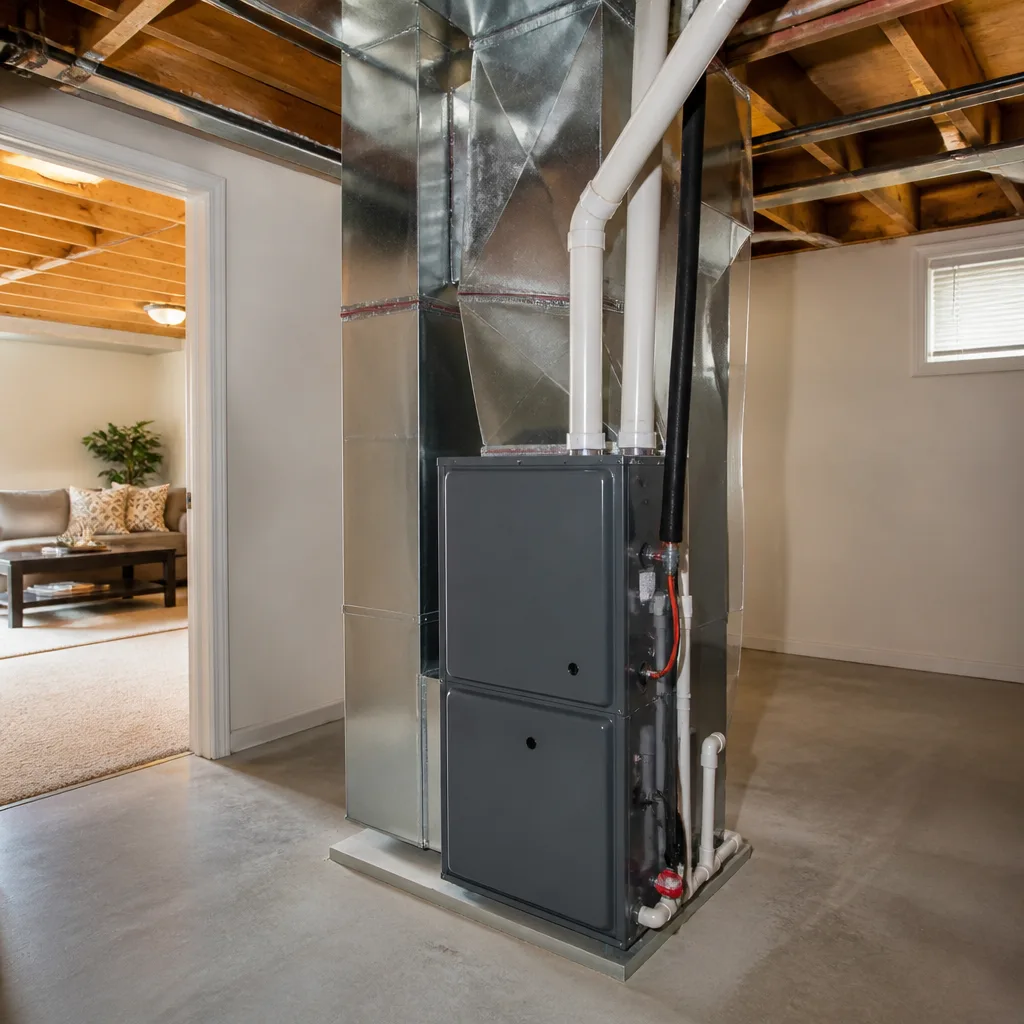 Furnace & heating
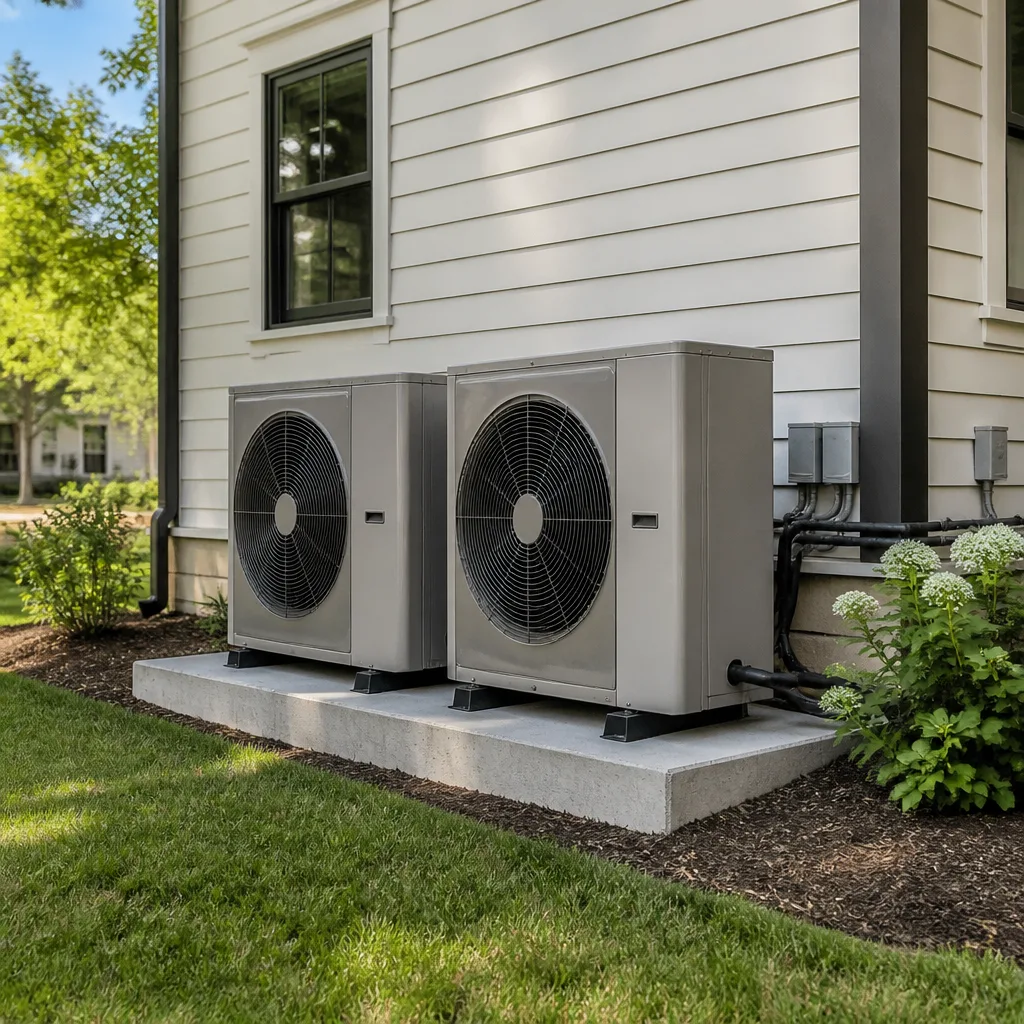 Heat pumps
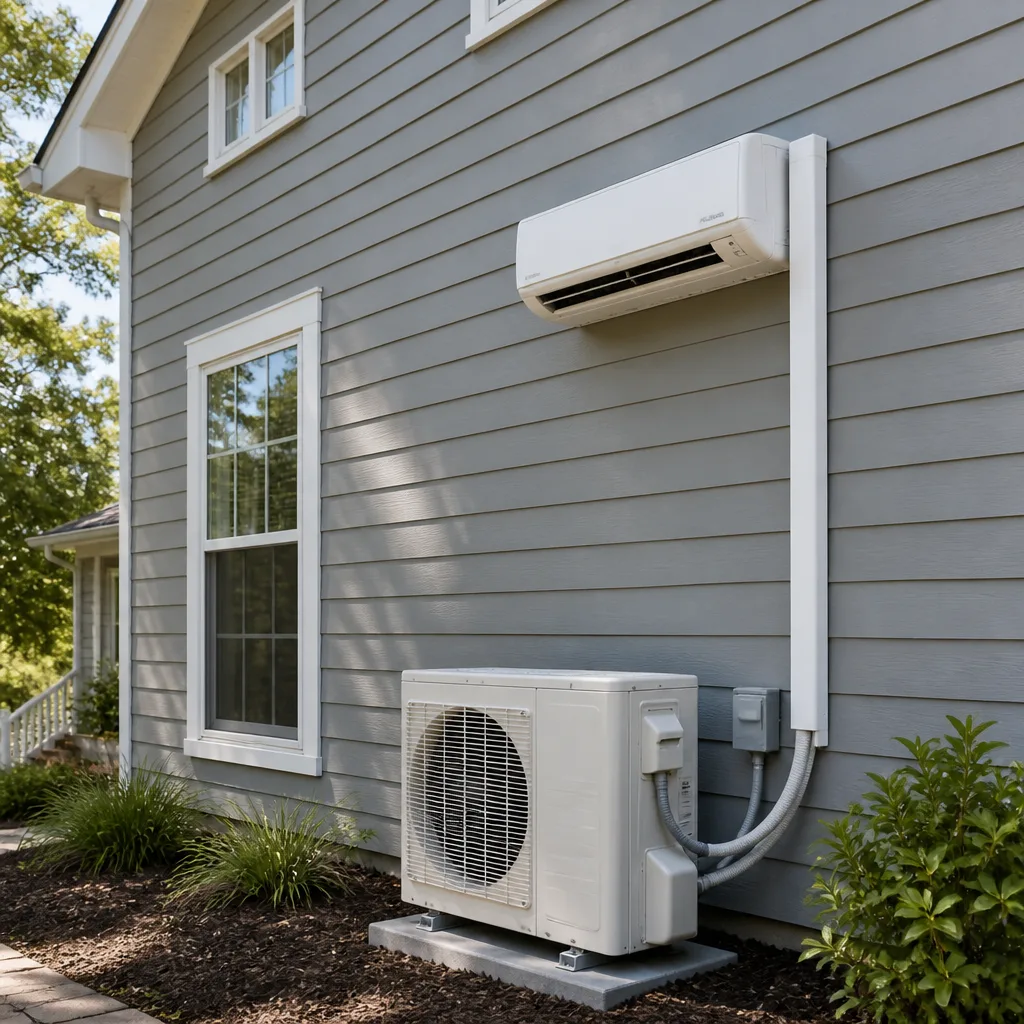 Ductless mini splits
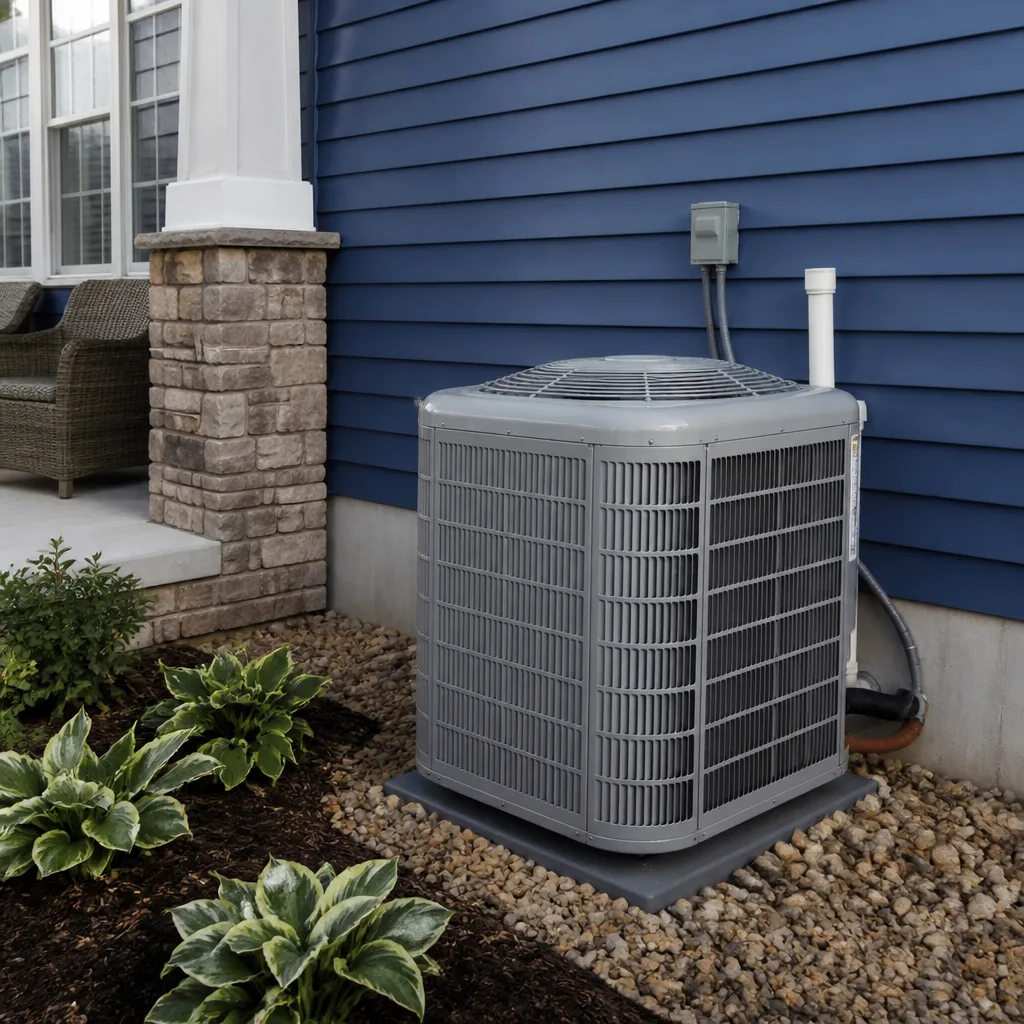 Carrier
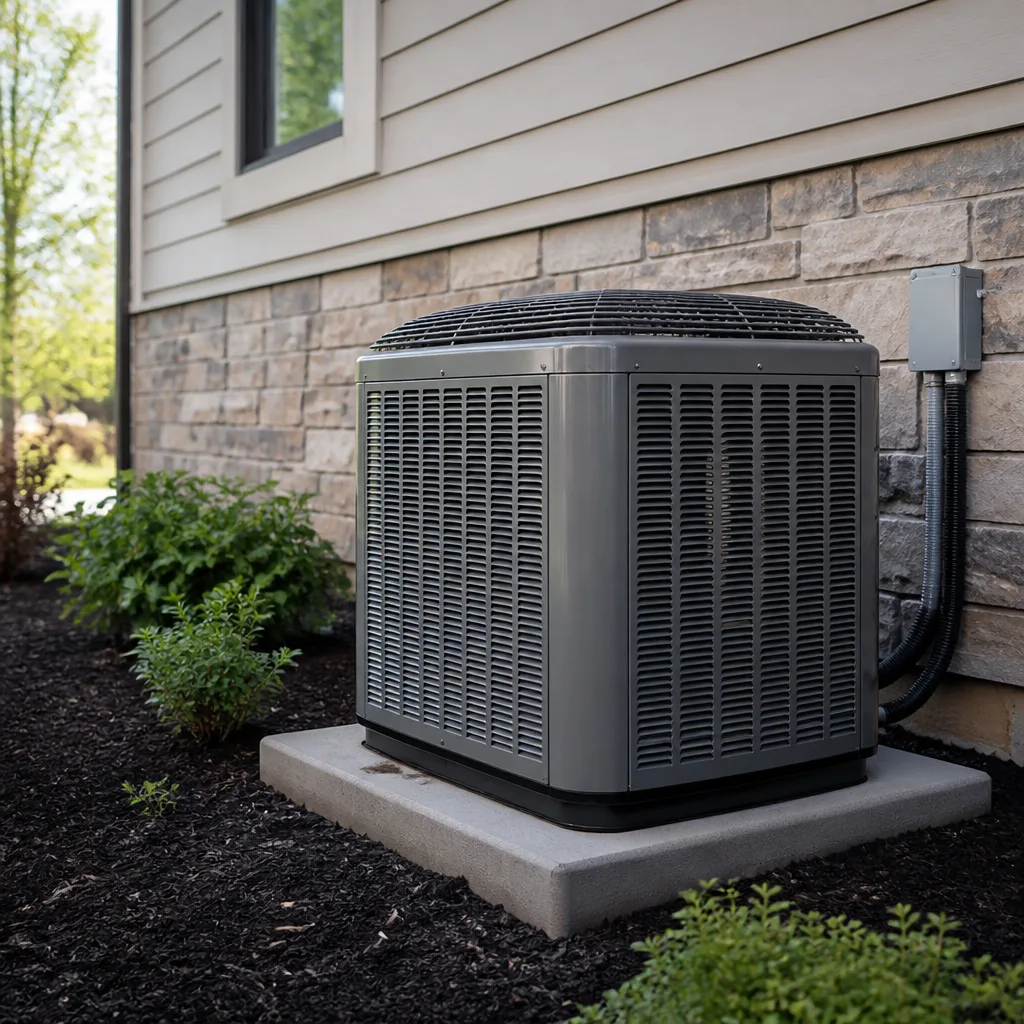 Trane
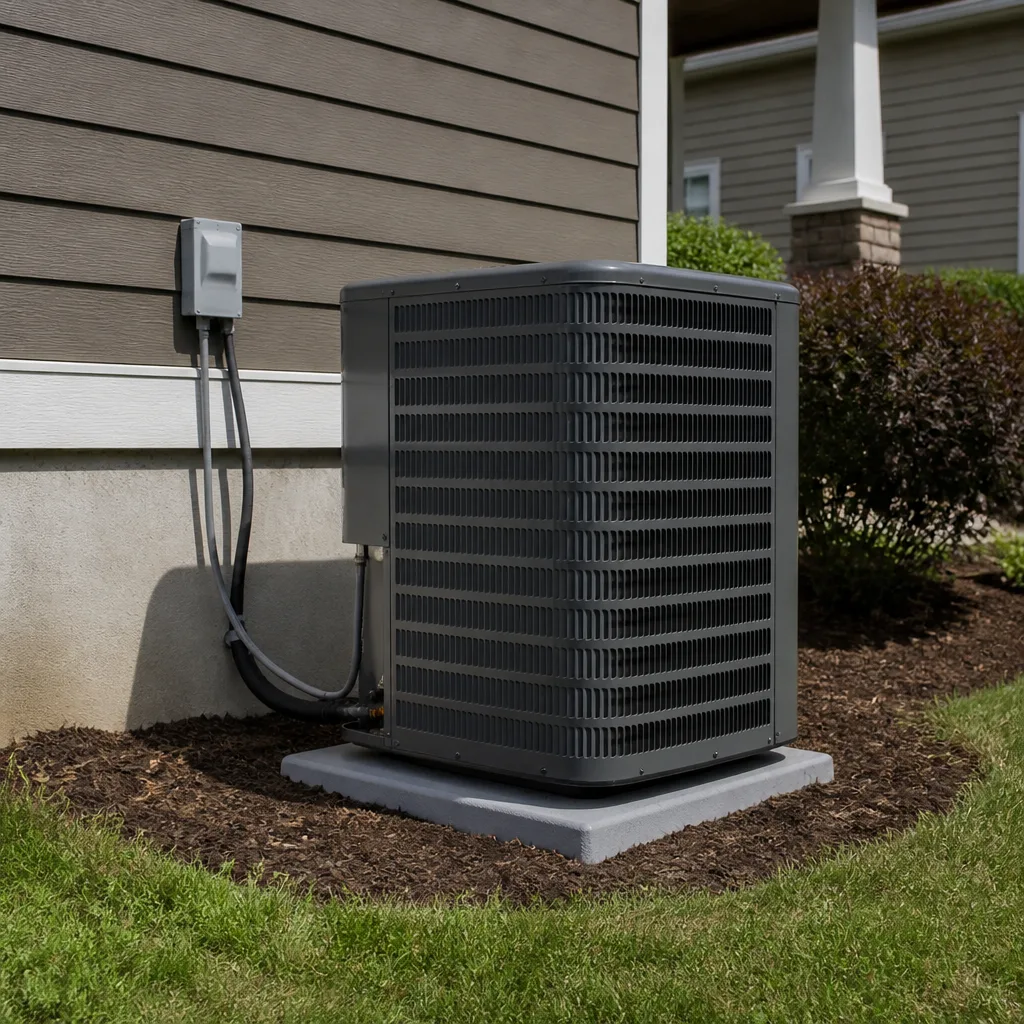 Goodman
Seasonal tune-up and full diagnostic on your Carrier, Trane, or Goodman system - readings shown to you before any repair is proposed
Diagnosis first, numbers second - you approve the repair price before a single part goes in.
Get your free estimateHow to Hire an HVAC Contractor in Winchester: A Step-by-Step Guide
The counterintuitive part of hiring an HVAC contractor in Winchester isn’t finding one – it’s that the busiest contractors during peak heat are often the least qualified. When temperatures push past 110°F and every neighbor’s AC is struggling, the phone lines fill up, and the crews that show up first may be the ones with the least local knowledge. We’ve seen plenty of homeowners accept bids from companies that have never pulled a permit in Clark County, and worse, didn’t know they should ask. This guide walks you through a vetting framework built for the reality of Winchester and the Las Vegas Valley – license verification, brand-specific training, permit scrutiny, and how to read a bid for what it doesn’t say.
Quick Answer
To hire an HVAC contractor in Winchester, verify their Nevada C-21 refrigeration/air conditioning license through the Nevada State Contractors Board (NSCB), confirm they pull permits in Clark County rather than skipping them, ask which specific equipment brands they’re factory-trained on, and demand a Manual J load calculation on any installation bid. A reasonable diagnostic fee in this market is charged upfront and explained on the invoice; be skeptical of “free” estimates that end in inflated repair recommendations.
Styles & brands we work with
- AC installation
- Furnace & heating
- Heat pumps
- Ductless mini splits
- Carrier
- Trane
- Goodman
Table of Contents
- 1. Verify the Nevada C-21 License Before Anything Else
- 2. Ask About Brand-Specific Training
- 3. Red Flags Unique to the Las Vegas Valley Market
- 4. How to Read a Bid for What It Doesn’t Say
- 5. What a Reasonable Diagnostic Fee Looks Like
- 6. Warranty, Permits, and Who Handles the Follow-Up
- 7. Choosing a Specialist vs. a Generalist
1. Verify the Nevada C-21 License Before Anything Else
In Nevada, HVAC work requires a C-21 license – Refrigeration and Air Conditioning. This is the specific classification that covers installation, repair, and maintenance of cooling systems. A general contractor’s B license, or a C-1 plumbing license, doesn’t authorize the same scope of work. A technician handling refrigerant or wiring a compressor under a license that doesn’t cover it is both a code problem and a warranty problem. The Nevada State Contractors Board (NSCB) keeps a public license lookup that shows the licensee’s active status, classification, and any disciplinary history. Before you sign anything, spend five minutes there.
Here’s how the verification actually works in practice:
- Visit the NSCB’s online license search – you’ll need either the license number from the contractor’s bid or their business name.
- Confirm the license status reads “active,” not “expired” or “suspended.”
- Check the classification code. It should read C-21 (Refrigeration and Air Conditioning). A C-1, C-2, or general B license is not the same thing.
- Look at the “complaints” or “disciplinary actions” tab, if present. A single old complaint isn’t a dealbreaker; a pattern of unresolved ones is.
- Ask for the contractor’s certificate of insurance showing both general liability and workers’ compensation. If a company can’t provide it, don’t book the job.
We mention this first because in Winchester, where the summer workload is intense and short-staffed crews scramble, some companies bring in technicians from out of state who are unfamiliar with Nevada’s licensing requirements. That’s not just a paperwork issue – it means no one on the crew has a personal stake in doing the job by local code. When you book through Winchester AC Repair, the professionals sent out are state-licensed and insured as Nevada requires, and we can point you to the license verification pages we use.
2. Ask About Brand-Specific Training
A technician who’s been trained exclusively on one platform – say, Carrier or Trane – may be guessing on a Goodman or Lennox unit. Every manufacturer designs its control boards, refrigerant circuits, and diagnostic protocols differently. A tech who’s spent years with one brand will recognize a failing capacitor on that brand instantly; put them in front of an unfamiliar brand and the diagnosis time doubles. This is why the single best question you can ask before booking a service call is: “Which brands are your technicians factory-trained on?”
At Winchester AC Repair, our technicians are certified to service nine of the most widely installed AC brands – Carrier, Trane, Lennox, Goodman, Rheem, York, Daikin, Bryant, and American Standard. That means when you call, we can tell you before we arrive whether the unit you have is one we know cold or one we’d need to research. Here in Winchester, the housing stock is a mix of older mid-century builds and newer construction, and the brands tend to cluster by era – homes built in the 1990s often have a Goodman or Rheem, while newer subdivisions lean toward Trane or Carrier. Knowing which era of Winchester you’re in is half the diagnostic work.
When you vet a contractor, ask these questions directly:
- Which manufacturers have your technicians been factory-certified on? A vague “all of them” is a red flag. A specific list is a green flag.
- Do you have the diagnostic software for my unit’s brand? Some brands require proprietary tools for error codes.
- If your tech isn’t familiar with my brand, will you bring someone who is? Honesty here is a good sign.
- Can you show me a recent service ticket for a similar unit? Not required, but a company that keeps records can usually produce one.
The opposite question matters too: if a contractor tells you they only work on one brand, that’s a red flag. They may push you toward a replacement simply because that’s the only system they know how to install or repair.
3. Red Flags Unique to the Las Vegas Valley Market
The Las Vegas Valley – and Winchester specifically – has a seasonal demand curve that draws in transient contractors. During the peak of summer, when every AC on the block is running nonstop and failing, companies from out of state arrive, work for a few months, and disappear before the follow-up calls start. There are three patterns to watch for.
Out-of-state LLCs. A company registered in another state may not have a Nevada C-21 license, may not carry Nevada workers’ comp, and may not know Clark County’s permitting requirements. A quick NSCB search will usually sort this out. If the license number doesn’t exist, don’t hire.
Storm-chaser crews after heat events. After a heat wave – which in Winchester means anything above 115°F, and those are common in July and August – fly-by-night operators flock to neighborhoods with a high concentration of older units. They knock on doors, offer a “quick fix,” and often disappear before the unit fails again. A legitimate contractor doesn’t need to knock on doors; demand is high enough that the phone rings on its own.
Bids that skip Manual J load calculations. A proper AC installation requires a Manual J load calculation, which sizes the system based on square footage, window orientation, insulation, and local climate data. In a valley where summer design temperatures push the envelope, an oversized unit will short-cycle and fail prematurely, and an undersized unit will never keep up. Any installation bid that doesn’t mention a load calculation is a bid you should question. We don’t skip this step – it’s the foundation of any AC installation we coordinate, and it’s the single most important document on an install quote.
One more: an unusually low bid, especially one that comes in 30-40% below the next closest quote, usually means something is missing from the scope – permits, disposal of the old unit, refrigerant, or labor warranty. Ask specifically what’s included and what’s not.
4. How to Read a Bid for What It Doesn’t Say
The most important line on a bid is often the one that isn’t there. A missing permit line item is a bigger problem than a high labor rate. In Clark County, AC installation and major repair typically require a permit, and a contractor who skips the permit is either cutting corners or planning to disappear before the inspection. Either way, you’re the one holding the permit problem when you sell the house or file an insurance claim.
Here’s what a complete bid should include, line by line:
- Permit line item. Listed separately, with a fee. If it’s missing, ask why. In Winchester, Clark County permit requirements apply to most installs and major change-outs.
- Manual J load calculation reference. The bid should state the calculated tonnage and how it was determined. “Same size as the old unit” is not a calculation.
- Equipment model numbers. Full model number, not just brand. This matters for rebates, warranty registration, and future service.
- Disposal of the old unit. Listed separately. Older units often contain refrigerant that requires recovery, and that recovery isn’t free.
- Labor warranty terms. Written, not verbal. A one-year labor warranty is standard; anything less is worth questioning.
- Payment schedule. Never pay the full amount upfront. A typical schedule is a deposit at contract signing, a progress payment, and the remainder at final inspection.
- Timeline and completion date. A written date, even if it’s subject to weather and equipment availability.
We’ve seen plenty of Winchester bids that read like marketing copy – “premium installation, expert service, fair price” – with none of the above. That’s not a bid; it’s a brochure. Ask for a line-item breakdown and a written scope of work. If the contractor can’t produce one, keep looking.
5. What a Reasonable Diagnostic Fee Looks Like
A legitimate diagnostic fee covers the time a technician spends diagnosing the problem, and it should be clearly stated before the tech arrives. In the Winchester and Las Vegas Valley market, that fee typically covers an on-site inspection, testing of the refrigerant charge and electrical components, and a written summary of findings. The exact amount varies by company, but the structure should be transparent: the fee is disclosed upfront, and it’s not refunded or “credited toward” a repair in a way that hides the real cost of the visit.
What to watch for:
- “Free estimate” with a high-pressure upsell. If the free inspection ends in a repair recommendation that’s 3-4x what a second opinion would charge, the “free” part was subsidized by the recommendation. Get a second opinion on any repair over a few hundred dollars.
- Fees that appear only after the visit. A diagnostic fee should be disclosed when you book the appointment, not on the invoice.
- Calls for emergency visits priced higher than scheduled visits. A fair contractor charges the same diagnostic fee regardless of what time of day you call. We don’t charge extra for emergency work – the price is set by the written estimate, not by the hour you called.
- “Waived” fees that reappear in the repair price. If a fee is waived, ask what’s absorbed into the repair quote.
Winchester homeowners often call during a crisis – the house is at 95°F, the kids are miserable, the unit is making a sound it shouldn’t. In that moment, the fee matters less than getting relief. But a fair contractor will still explain what the fee covers, and they’ll offer a written estimate before starting any repair. For an idea of what typical service calls run in this area, see our guide to local AC repair pricing ranges, or call for a free estimate.
6. Warranty, Permits, and Who Handles the Follow-Up
Two questions that separate a professional contractor from a warm-body crew: “Who files the permit?” and “Who handles the warranty claim?” Permits matter because Clark County inspections catch installation shortcuts that manifest years later. Warranty matters because manufacturer warranties on equipment typically require that the install was done by a licensed contractor and that certain startup procedures were documented.
Here’s the framework:
- Permit. The contractor should pull the permit, not you. Ask to see the permit number before work begins. If they can’t provide one, that’s a sign they’re not licensed for the scope or not willing to be inspected.
- Manufacturer warranty registration. The contractor should register the equipment with the manufacturer, in your name, using the model and serial numbers. Without this, your parts warranty may not be valid.
- Labor warranty in writing. One year on labor is standard. Get it in the contract, not just in a handshake.
- Follow-up responsibility. If a part fails within the warranty period, who coordinates the claim – you or the contractor? A good contractor handles the claim on your behalf.
- Documentation. You should have a written record of the install: model numbers, permit number, warranty terms, and startup readings. Keep it with your home records.
In our experience, the follow-up question is where out-of-area contractors fall down. They may be great at the install, but when something goes wrong a year later, they’re no longer in the area. A contractor who is actually present in Winchester and has a service relationship with the homeowner will still be reachable when the follow-up matters. That’s one reason we treat every service call as the beginning of a relationship – the next call is often the one where we earn the trust.
7. Choosing a Specialist vs. a Generalist
An HVAC generalist does heating, cooling, plumbing, maybe electrical. A specialist does one thing. In Winchester, where summer cooling is the dominant demand and the consequences of a failed system are serious – heat exhaustion in the home, pets at risk, food spoiling – a specialist is usually the better call. The specialist’s entire team, inventory, and diagnostic focus is on cooling systems. That translates into faster diagnosis and fewer “we’ll have to come back with the right part” moments.
That’s the positioning we operate from: AC repair, AC installation, and AC maintenance, and nothing else. Our technicians have up to 13 years of experience, and they’re certified on nine of the most widely installed brands – Carrier, Trane, Lennox, Goodman, Rheem, York, Daikin, Bryant, and American Standard. We don’t do plumbing, we don’t do heating, and we don’t do electrical work outside of what’s required to service a cooling system. That focus means when we diagnose a Trane or a Lennox, we’ve seen the failure mode before, and the diagnosis reflects that familiarity.
Specialization also matters for maintenance. A generalist may schedule a tune-up as a formality; a specialist schedules it as the primary tool for extending equipment life and catching failures before peak-heat season. The difference is whether the maintenance visit actually includes a written report of what was found and what’s likely to fail next. Ask for that report before you book the maintenance – if the contractor can’t describe what it contains, the tune-up is probably a sticker and a filter swap.
For a closer look at what local service involves, see our Winchester area page.
Common Mistakes to Avoid
- Hiring the first contractor who answers. During peak heat in Winchester, the first person to pick up the phone may not be the most qualified. Get two or three quotes for anything more than a minor repair, and verify each one against the NSCB.
- Skipping the license check. A B-license or a C-1 plumbing license isn’t a C-21 refrigeration and AC license. The scope is different, and the work isn’t covered the same way. Always confirm the classification.
- Accepting a bid without a Manual J. An installation without a load calculation is a coin flip on whether the unit is sized correctly. In a climate where summer design temperatures are extreme, that coin flip matters.
- Paying in full upfront. A deposit is normal; the full payment before work begins is not. Hold the balance until the job passes inspection and the unit is running properly.
- Believing a “free” diagnostic fee without asking what it covers. Free estimates are legitimate, but they’re often subsidized by repair recommendations. Always get a second opinion on a large repair, and ask the contractor to explain the diagnostic process.
- Letting the contractor skip the permit. A permit is a Clark County inspection that catches problems years later. If a contractor offers to skip it to “save you money,” decline and find someone who does it right.
- Ignoring warranty registration. A manufacturer warranty that wasn’t registered in your name at install may not pay out. Ask the contractor to register the equipment and give you the confirmation.
See the difference
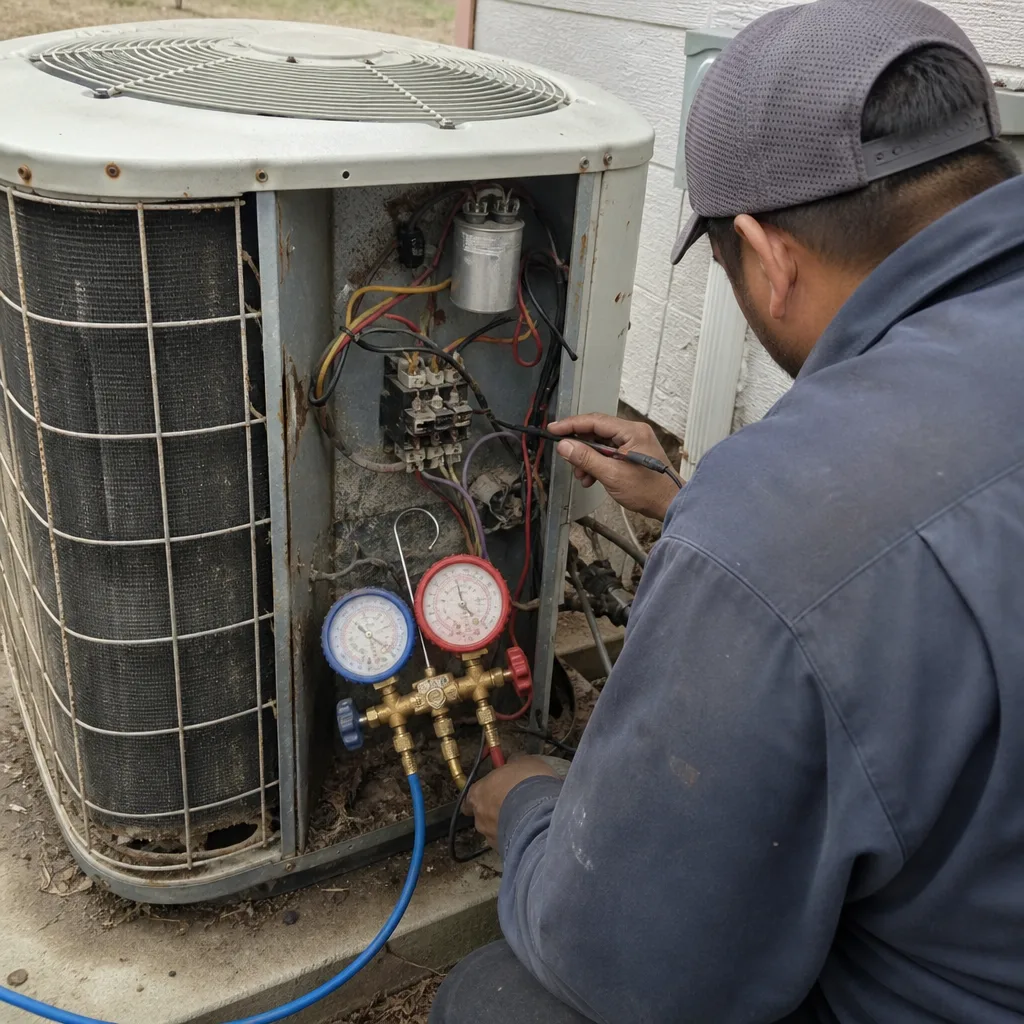 Before
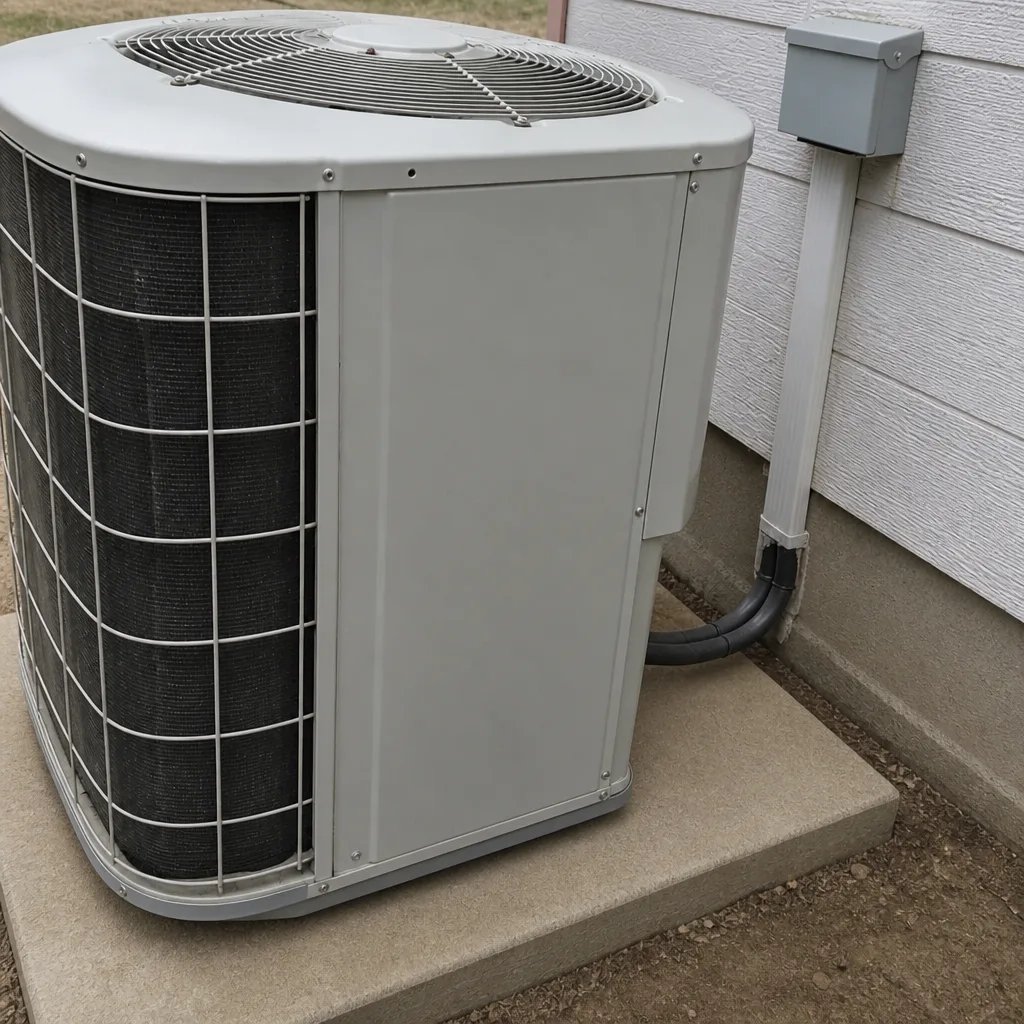 After
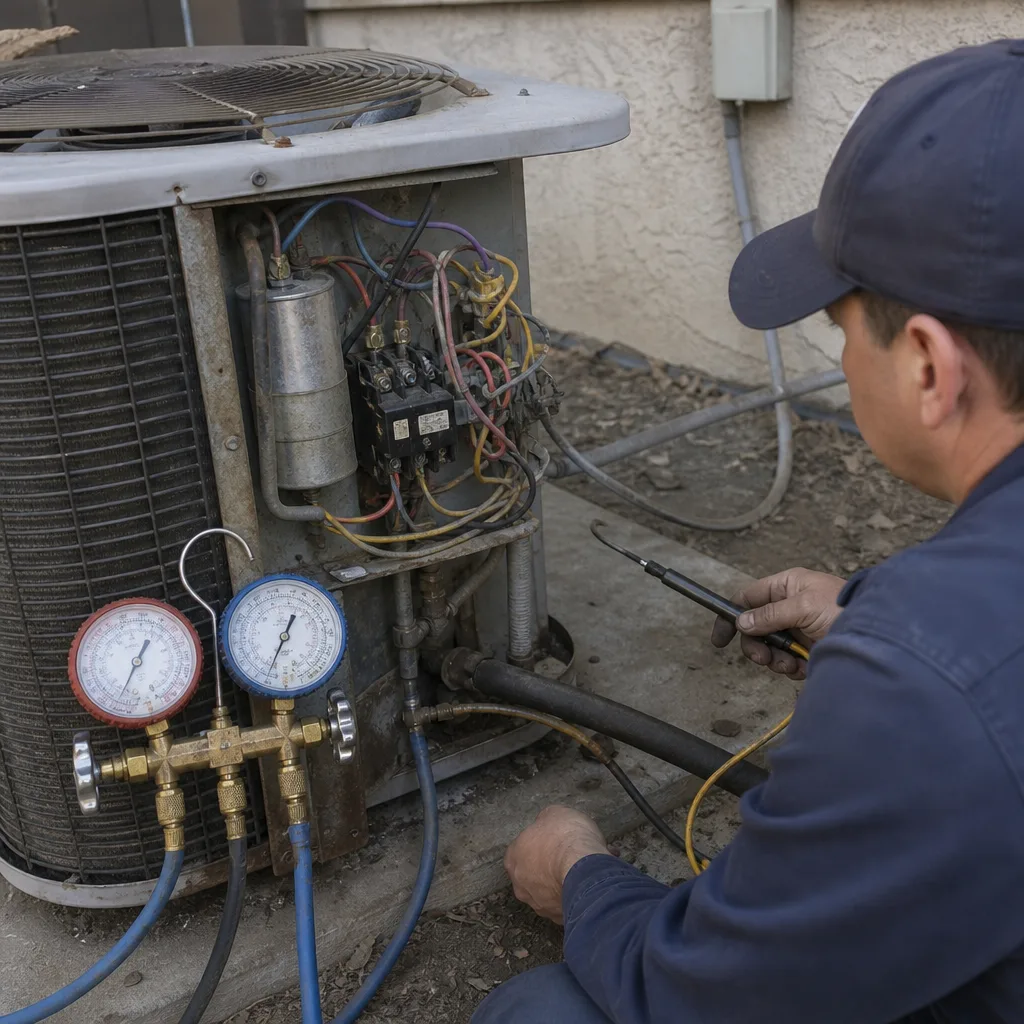 Before
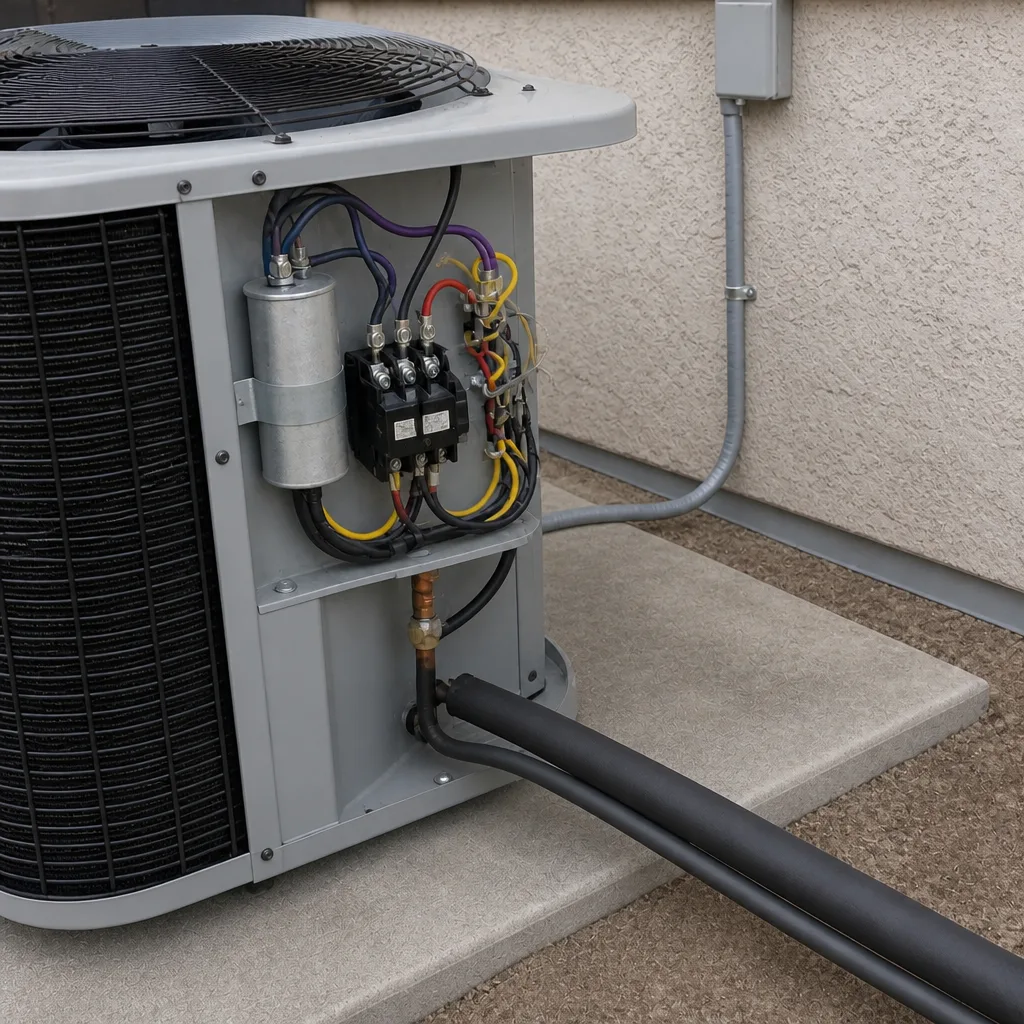 After
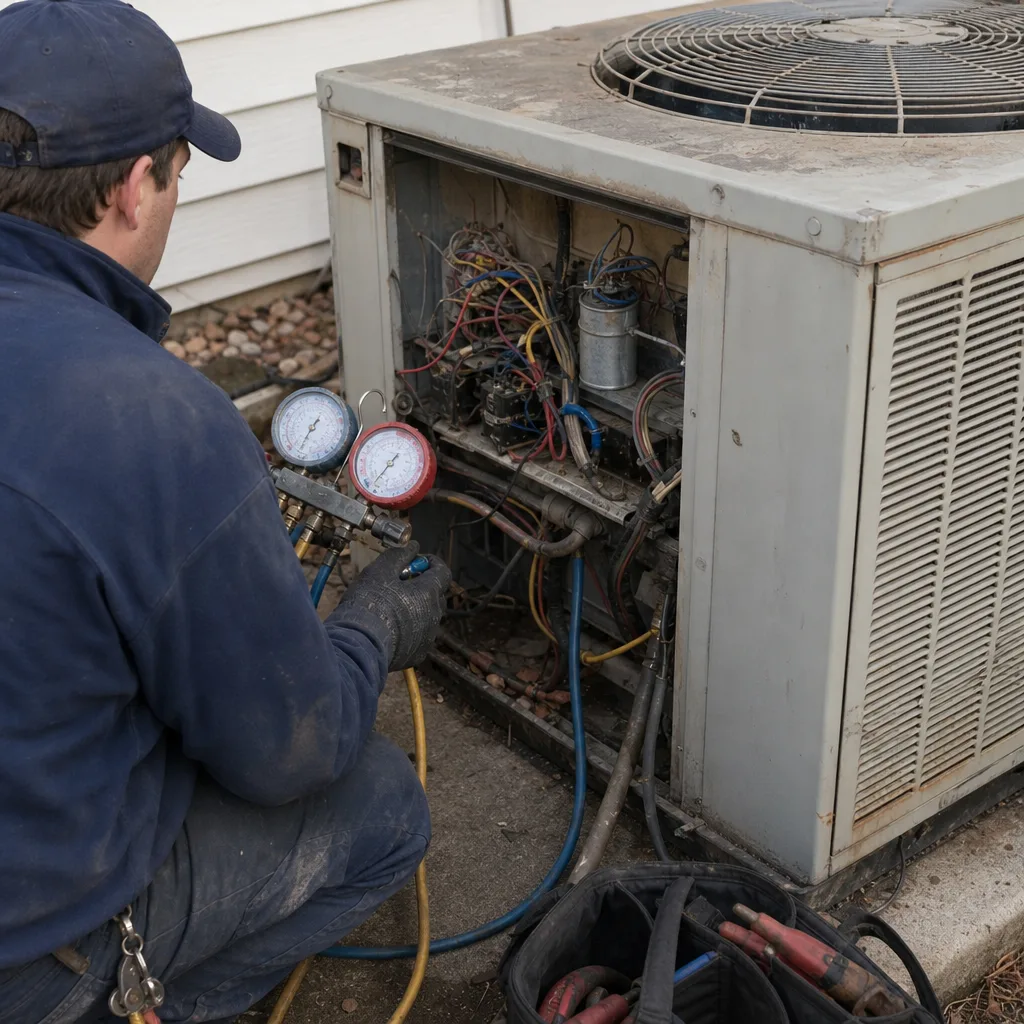 Before
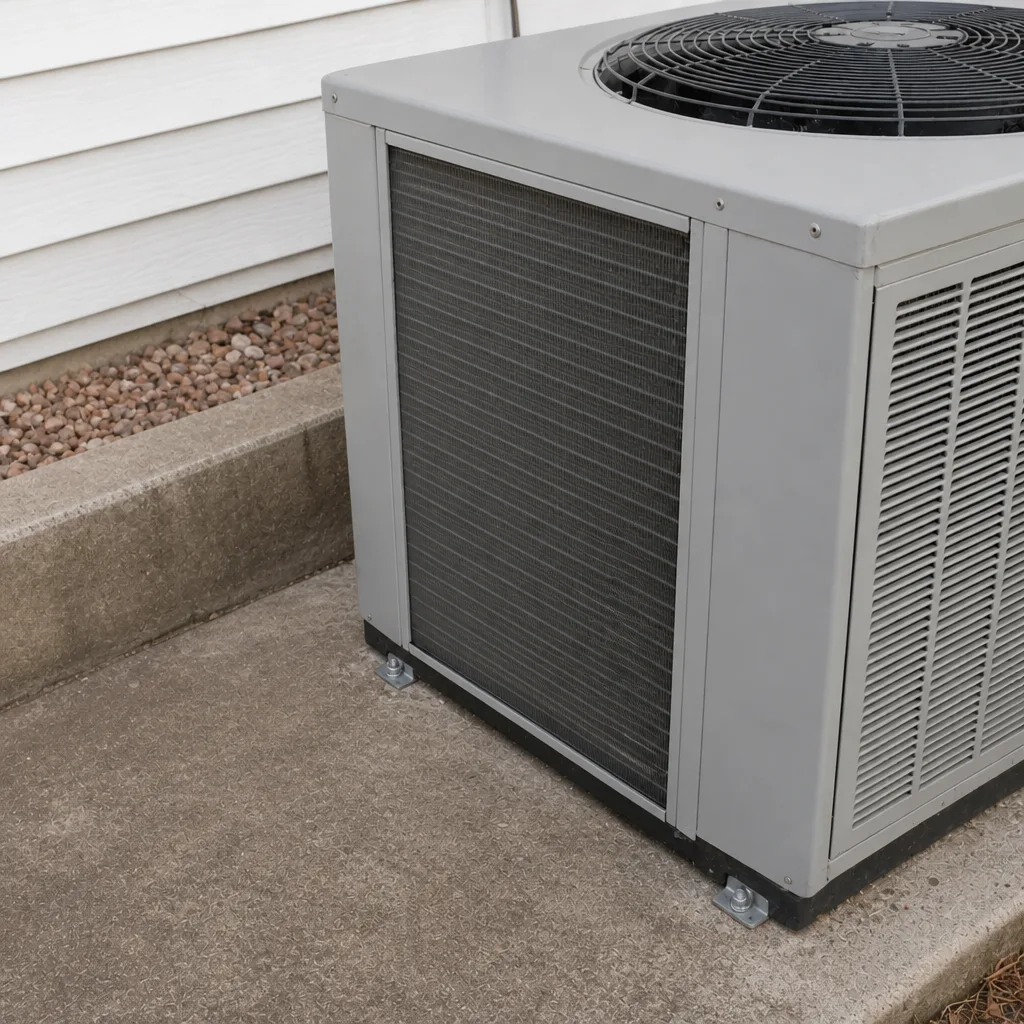 After
When to Call a Professional
Some AC issues are worth a diagnostic visit; others aren’t. If the system is blowing warm air, making a grinding or clicking sound, tripping the breaker, or failing to reach a comfortable temperature on a hot Winchester afternoon, that’s a call for a trained technician – refrigerant handling and electrical diagnostics aren’t homeowner work. If the unit is iki-covered in ice, if the outdoor fan isn’t spinning, or if you smell burning near the air handler, stop using it and call. The same applies if the system hasn’t been serviced and you’re heading into summer: a maintenance visit before the first heat wave is the cheapest AC work you will ever do. Winchester AC Repair offers free estimates in Winchester – call (888) 335-7951 to schedule. We answer 24/7. Fast dispatch from 7am to 7pm, Sunday through Friday.
Frequently Asked Questions
In Nevada, an HVAC contractor needs a C-21 license from the Nevada State Contractors Board, which specifically covers refrigeration and air conditioning. A general contractor B license or a C-1 plumbing license is not a substitute. You can verify any contractor’s classification directly through the NSCB’s public lookup before booking a visit.
Start with the NSCB license search: confirm the C-21 classification and that the status is active. Then ask which equipment brands the technicians are factory-trained on – a specific list of brands is a green flag, a vague “all of them” is a red flag. Finally, ask who pulls the permit; a qualified contractor pulls it and shows you the number. Call (888) 335-7951 for a free estimate if you’d rather skip the search.
Most AC installs and major change-outs in Winchester and the rest of Clark County require a permit. The permit is your protection: it triggers a county inspection that catches installation shortcuts and protects your warranty. A contractor who offers to skip the permit is a contractor to avoid. Ask for the permit number before work begins.
Ask which manufacturers the technicians have been factory-certified on, whether they have diagnostic software for your unit’s brand, and whether they’ll bring someone familiar with your brand if the first tech isn’t. At Winchester AC Repair, our technicians are certified on Carrier, Trane, Lennox, Goodman, Rheem, York, Daikin, Bryant, and American Standard, so we can tell you upfront whether we’ve worked on your unit before.
A reasonable diagnostic fee covers the technician’s on-site time, testing, and a written summary of findings – and it should be disclosed when you book, not after the visit. Watch for “free” quotes that end in inflated repair recommendations; a second opinion is worth the call. Call (888) 335-7951 for a free estimate and we’ll walk you through the diagnostic process before we arrive.
A specialist is usually the better call in Winchester’s climate, where cooling performance is the dominant concern. A specialist who works only on AC has faster diagnosis times, better brand familiarity, and a maintenance approach built around cooling systems. We handle repair, installation, and maintenance only, with no split focus across heating, plumbing, or electrical-adjacent work. Call (888) 335-7951 to book.
The Bottom Line
Hiring an HVAC contractor in Winchester comes down to verification, not marketing. Check the C-21 license through the NSCB. Confirm brand-specific training. Ask about the Manual J on any install. Read the bid for what’s missing – a missing permit line is the loudest signal on the page. Get the follow-up questions answered in writing, and choose a specialist over a generalist when cooling is the job. A fair contractor will welcome every one of these questions; a fly-by-night one will avoid them. When you’re ready to talk to someone who’s seen your brand before, call Winchester AC Repair at (888) 335-7951 for a free estimate.
Written by the team at Winchester AC Repair.