
Last updated November 18, 2026
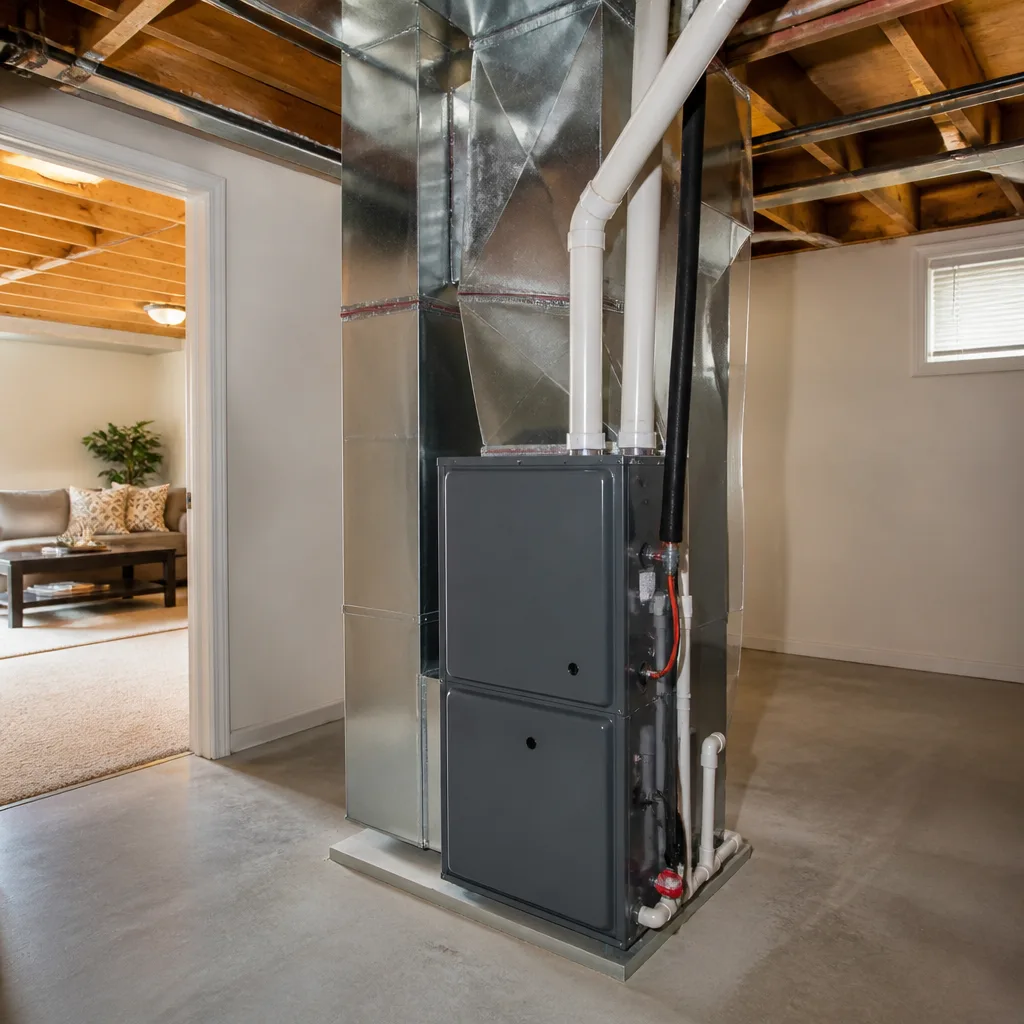 Furnace & heating
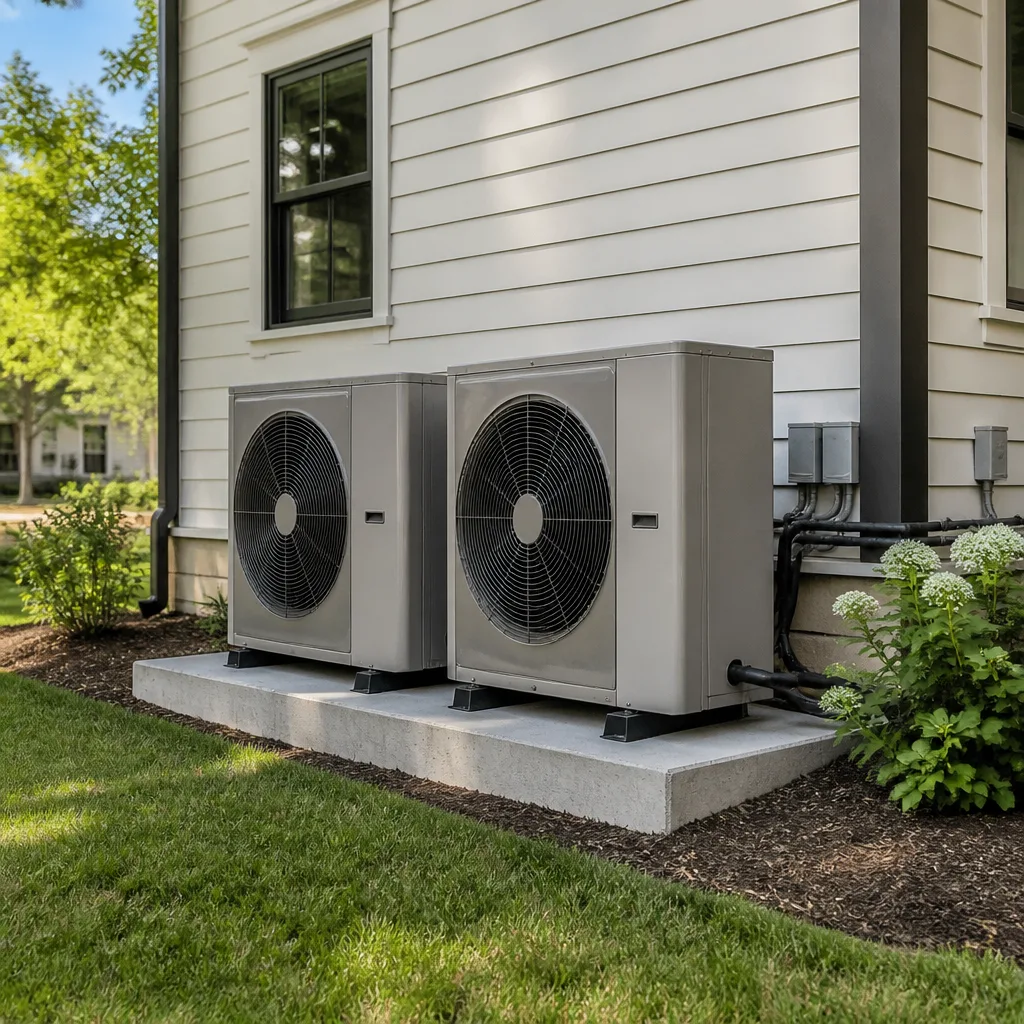 Heat pumps
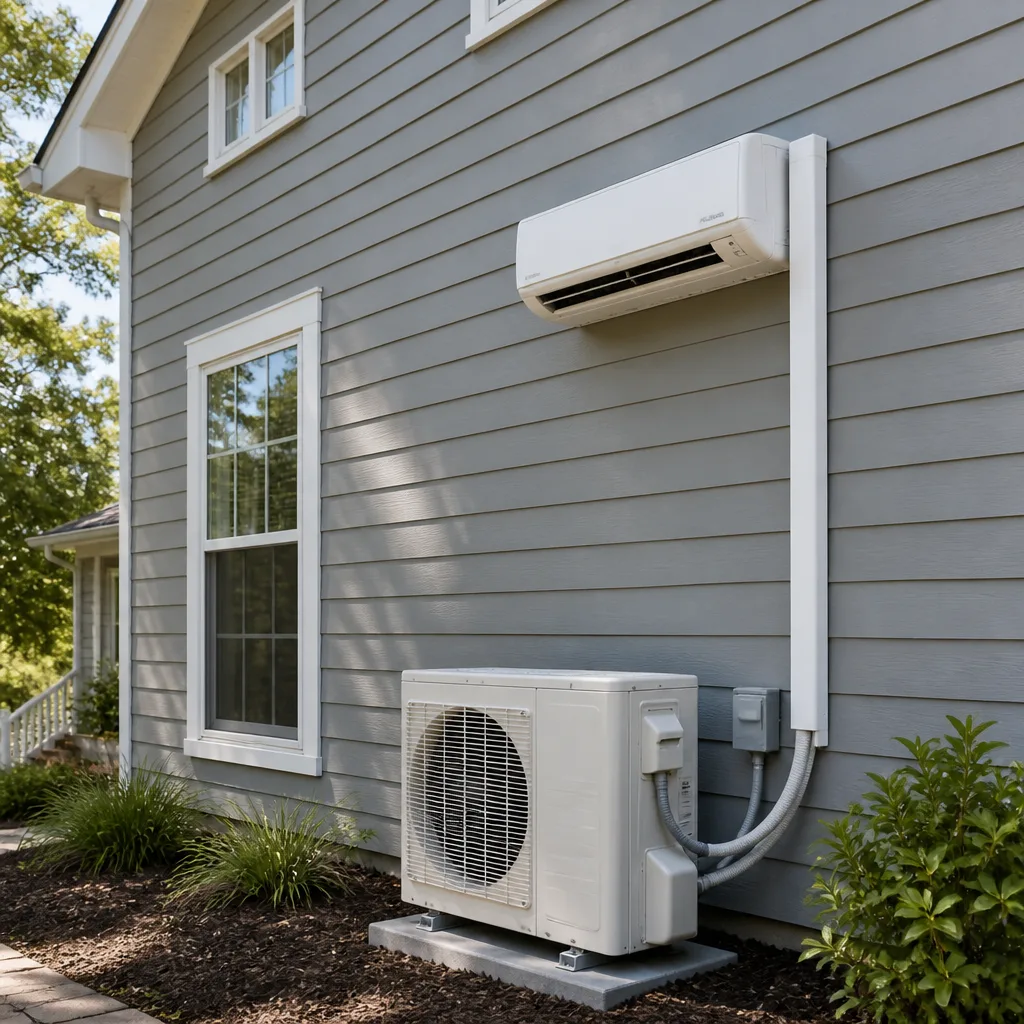 Ductless mini splits
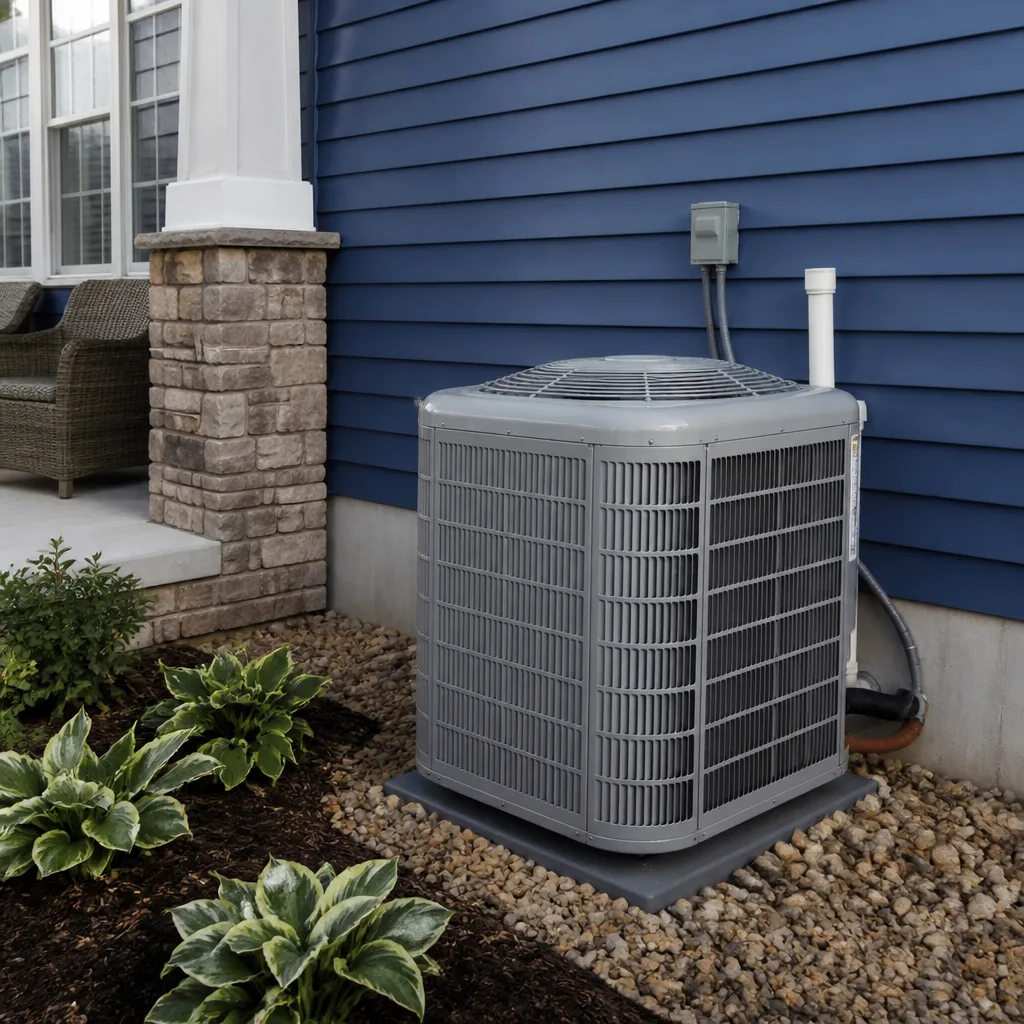 Carrier
 Trane
 Goodman
Seasonal tune-up and full diagnostic on your Carrier, Trane, or Goodman system - readings shown to you before any repair is proposed
Diagnosis first, numbers second - you approve the repair price before a single part goes in.
Get your free estimateHVAC Permits, Codes & Inspections in Winchester, NV: What You Need to Know
Most homeowners think of a building permit as paperwork that belongs to the contractor’s world, not theirs. That assumption costs people real money. An AC replacement finished without a Clark County building permit can leave you with equipment whose manufacturer warranty is compromised, a record that raises questions at resale, and an insurer with grounds to push back on a related claim. The work may run perfectly for years and the problem still surfaces at the worst possible moment – during a sale, or after a failure. This guide walks through which cooling jobs in Winchester need a permit and which don’t, how the inspection actually works, what the Nevada energy code requires on efficiency, how to check whether a previous owner pulled permits, and what to require from anyone you hire.
Quick Answer
In Winchester and the rest of unincorporated Clark County, replacing an air conditioner, installing a new cooling system, or modifying ductwork requires a building permit from Clark County Building. Straight repair work, including like-for-like refrigerant repairs and part swaps, generally does not. Permitted work gets inspected, and the inspection confirms the equipment, electrical connection, clearances and efficiency ratings match what was approved. If a contractor offers to let you pull the permit yourself, that’s a warning sign worth taking seriously.
Styles & brands we work with
- AC installation
- Furnace & heating
- Heat pumps
- Ductless mini splits
- Carrier
- Trane
- Goodman
Table of Contents
- Which cooling jobs need a permit in Winchester
- How the Clark County inspection process works
- The Nevada energy code and what it means for your equipment
- How to check if past work was permitted
- Why reputable contractors pull their own permits
- Permits, insurance claims and resale disclosures
- Common mistakes to avoid
- Frequently asked questions
Which Cooling Jobs Need a Permit in Winchester
The line between permitted and unpermitted work isn’t arbitrary. It follows whether the job changes the system in a way that affects safety, efficiency or the structure of the home. A straight part replacement on existing equipment generally sits below that line. A new condenser, a new air handler, resized ductwork or a relocated outdoor unit sits above it.
Here’s how the split usually falls for cooling work in Winchester:
- Permit required: full system replacement, new installation in a home that didn’t have central cooling, duct system modifications or additions, relocation of an outdoor condenser, changes to the electrical circuit feeding the equipment, and any job that changes the equipment’s efficiency rating or capacity.
- Permit generally not required: like-for-like refrigerant repair, capacitor and contactor replacement, fan motor swaps on the same equipment, thermostat replacement, coil cleaning, and routine maintenance.
- Gray areas worth asking about: converting from a packaged unit to a split system, adding a zone to existing ductwork, or replacing a coil without replacing the condenser. These often trigger a permit because they change how the system is configured.
The honest answer to “does this need a permit” is that it depends on the scope, and a contractor who’s done the work in Clark County before will know immediately. If someone tells you a full replacement doesn’t need one, ask them to put that in writing. They usually won’t.
Winchester homes range from older single-story builds with original ductwork to newer construction with tighter envelopes and more efficient equipment. The age of the home matters here: older duct systems are more likely to need modification during a replacement, and modifications are exactly what pulls a job into permit territory.
How the Clark County Inspection Process Works
A permit is not the finish line. It’s the start of a process that ends with one or more inspections by Clark County Building, and the inspection is where a rushed or careless install gets caught. Understanding what inspectors check helps you ask better questions before the work starts, and helps you recognize a job that’s being done properly.
The sequence generally runs like this:
- The contractor applies for the permit before any work begins, with the equipment model numbers, efficiency ratings and scope of work listed.
- The permit is issued, and the contractor schedules the work.
- After the install is complete, the contractor schedules the inspection.
- The inspector reviews the installation on site and either passes it, fails it with specific corrections needed, or requires a re-inspection after fixes.
- The permit is closed. That closed record is what proves the work was done to code.
What inspectors actually look for on a residential AC installation is fairly consistent:
- Equipment matches the permit. The model and efficiency rating on the installed unit must match what was approved. Substituting a lower-efficiency unit after approval is a common catch.
- Electrical connections and disconnects. The circuit size, breaker, disconnect location and wiring method all get reviewed. This is one of the most safety-critical parts of the inspection.
- Clearances and placement. The outdoor unit needs adequate clearance from the structure, from other equipment and from property lines. Blocked airflow is both an efficiency problem and a code problem.
- Refrigerant line routing and insulation. Lines should be properly supported, insulated and protected where they pass through the structure.
- Duct connections and sealing. Where ductwork was modified, the inspector checks that connections are sealed and the system is configured as approved.
- Condensate management. The drain line and any secondary protection need to be in place and correctly routed.
If an inspector fails a job, it’s usually for something specific and correctable: a missing disconnect, an unsealed penetration, a clearance issue. What you don’t want is to be the homeowner who finds out about a failed or never-scheduled inspection months later, when you’re trying to sell.
This is one reason we’ve found that our AC installation work starts with a permit conversation rather than ending with one. It changes how the job is scheduled from day one.
The Nevada Energy Code and What It Means for Your Equipment
Nevada adopts the International Energy Conservation Code, which sets minimum efficiency standards for heating and cooling equipment installed in the state. In practical terms, that means a replacement or new install in Winchester has to meet a minimum efficiency threshold, and the permit application has to state the efficiency rating of the equipment being installed.
Why this matters to you as a homeowner:
- You can’t legally install a unit below the current minimum. A contractor offering a deeply discounted replacement may be proposing equipment that won’t pass inspection, or work that skips the permit entirely.
- The efficiency rating is checked against the permit. This is one of the first things an inspector verifies. Substituting equipment after approval is a short path to a failed inspection.
- Higher efficiency isn’t only about the code floor. Winchester sits in a desert climate where summer design temperatures push equipment hard. A unit that meets the minimum may be appropriate, but the sizing and the duct system it connects to matter just as much as the rating on the box.
This is where brand familiarity earns its keep. We service equipment from Carrier, Trane, Lennox, Goodman, Rheem, York, Daikin, Bryant and American Standard, so when a permit lists a specific model, we know what that unit is, how it’s supposed to be configured, and whether the proposed install matches how it’s built. That’s a different level of confidence than a generalist looking at a model number for the first time.
Load calculation matters here too. The energy code doesn’t just regulate the equipment; it expects the system to be sized to the home. An oversized unit installed to pass a rubber-stamp inspection will short-cycle, struggle to dehumidify, and wear out early – a costly outcome in a climate where cooling season runs long.
How to Check If Past Work Was Permitted
If you bought a home in Winchester and you don’t know whether the AC was replaced under permit, you can find out. This matters most when you’re preparing to sell, but it’s worth knowing regardless, because it tells you what you actually own.
Here’s how to check:
- Contact Clark County Building and ask for the permit history on your property address. Permit records are public.
- Look for permits related to mechanical or HVAC work, and check whether they show as closed and inspected.
- Compare the equipment model number on your outdoor unit to any permit record. If the installed unit doesn’t match a permit, it may have been installed without one.
- If no permit exists for work that clearly required one, ask a licensed contractor to review the installation and document what they find.
- If you’re selling, disclose what you know. In Nevada, sellers complete a disclosure form, and unpermitted work is the kind of thing that can surface in a buyer’s inspection and stall a closing.
- If the work needs correction, a contractor can pull a permit after the fact to bring it into compliance. It’s a process, but it’s far cheaper than a failed sale.
The most common outcome we see is a replacement done years ago by a previous owner, no permit on record, and a unit that’s been running fine the whole time. The equipment itself may be installed reasonably well. The problem is that you have no documentation, and documentation is what buyers and insurers ask for.
Winchester has a lot of homes that have changed hands more than once, and each sale is an opportunity for a permit record to get lost in the shuffle. If you’re unsure, checking is a phone call, not a project.
Why Reputable Contractors Pull Their Own Permits
When a contractor asks you to pull the permit as the homeowner, treat it as a signal. It usually means one of a few things: the contractor isn’t licensed to pull it, they’re trying to keep the job off the record, or they don’t want the inspection. None of those are good for you.
Permits are pulled by the licensed contractor performing the work. That’s the normal arrangement, and it’s the one that protects you. The permit puts the contractor’s name on the job and makes them accountable to an inspector. It also means the work is documented in a way that follows the house, not the contractor.
What a proper contractor relationship looks like on a permitted job:
- They tell you a permit is needed before you ask.
- They list the permit in the written estimate, so you know what you’re paying for.
- They schedule the inspection and tell you when it’s happening.
- They handle any corrections an inspector requires without charging you again for the same work.
- They leave you with a closed permit record.
We work on cooling systems only – no plumbing, no heating, no electrical beyond what the AC circuit requires. That focus means permit scope is a routine part of the conversation, not a complication someone has to look up. Our technicians have up to 13 years of experience, and the ones who handle installs know the Clark County inspection process because they’ve been through it repeatedly.
If you’re comparing contractors, ask each one the same question: “Will you pull the permit, and will it be listed on the estimate?” The answers will tell you a lot.
Permits, Insurance Claims and Resale Disclosures
This is the part most homeowners never hear until it’s a problem. A homeowner’s insurance policy generally expects the home to be maintained to code. When a claim arises from a system that was installed without a permit, an insurer can raise questions about whether the installation met code, and those questions can affect how the claim is handled.
It’s not that every unpermitted install leads to a denied claim. It’s that you’ve handed the insurer a reason to look closer, and you don’t control what happens next. Compare that to a permitted, inspected installation with a closed record: there’s nothing to question.
The resale side is more concrete. When you sell a home in Winchester, the buyer will typically have an inspection. An inspector who notices a recently replaced AC unit with no permit record will flag it, and the buyer’s agent will ask for documentation. At that point your options narrow: produce the record, pay for a retroactive permit and inspection, or negotiate a credit. All three are worse than having pulled the permit at the time.
There’s a warranty angle as well. Manufacturer warranties on cooling equipment generally assume proper installation, and some require it to be documented. A permit record and inspection report are strong documentation. An unpermitted install with no paperwork is not.
None of this is meant to alarm you. It’s meant to explain why the permit matters more than the fee. For a homeowner in Winchester, the permit is cheap insurance against a much larger headache later.
Common Mistakes to Avoid
- Assuming a replacement doesn’t need a permit. Full system replacements do. If a contractor tells you otherwise, get a second opinion before signing anything.
- Letting the contractor put the permit in your name. The licensed contractor performing the work pulls the permit. If they ask you to do it, ask why.
- Skipping the inspection appointment. An open permit that’s never inspected is not the same as a closed one. Make sure the inspection gets scheduled and passed.
- Not checking permit history before you buy in Winchester. A quick call to Clark County Building before closing can save you a negotiation later.
- Accepting an equipment substitution after permit approval. If the installed unit doesn’t match the permitted model and efficiency rating, the inspection fails and the timeline slips.
- Choosing a contractor who offers a below-minimum-efficiency unit. In Nevada’s adopted energy code, that equipment can’t legally be installed, and the job won’t pass.
- Ignoring unpermitted work because the system runs fine. It may run fine for years. The problem shows up at resale or at claim time, and by then your options are more expensive.
See the difference
 Before
 After
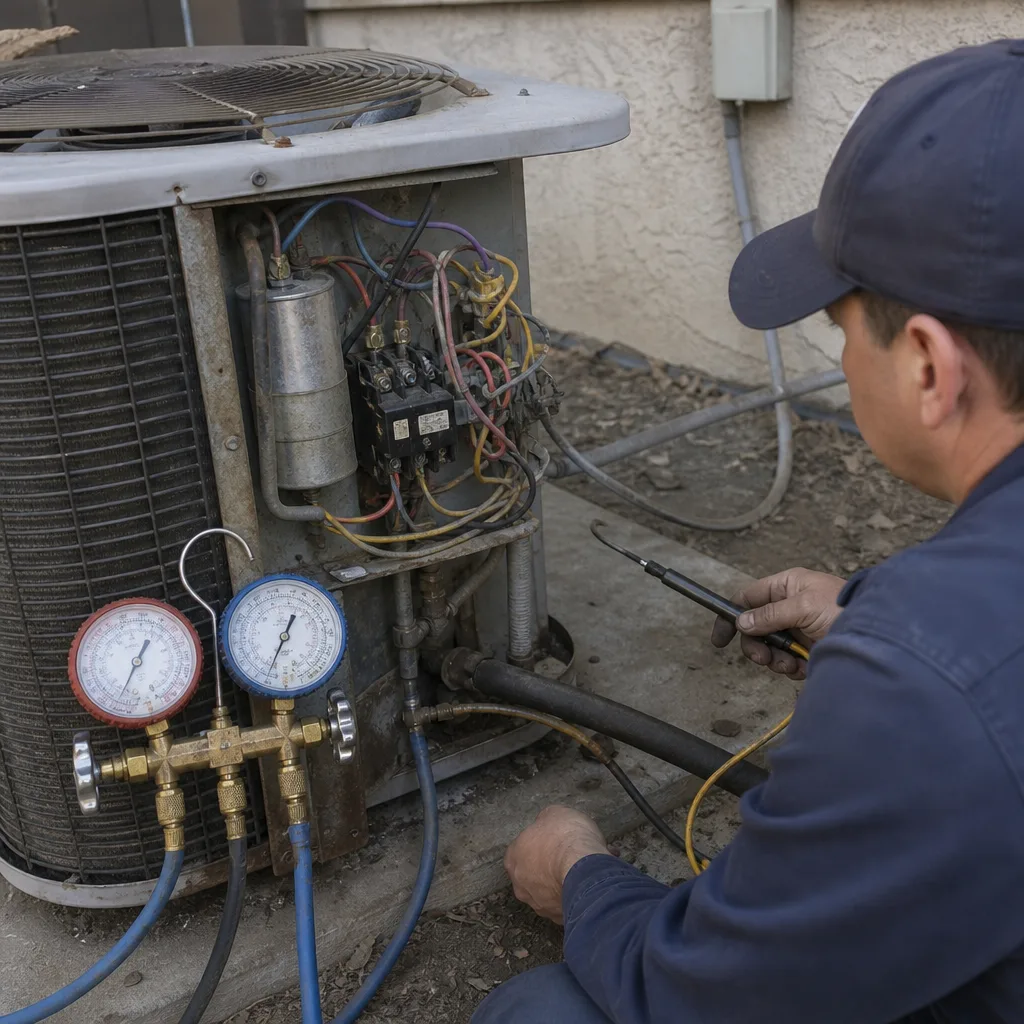 Before
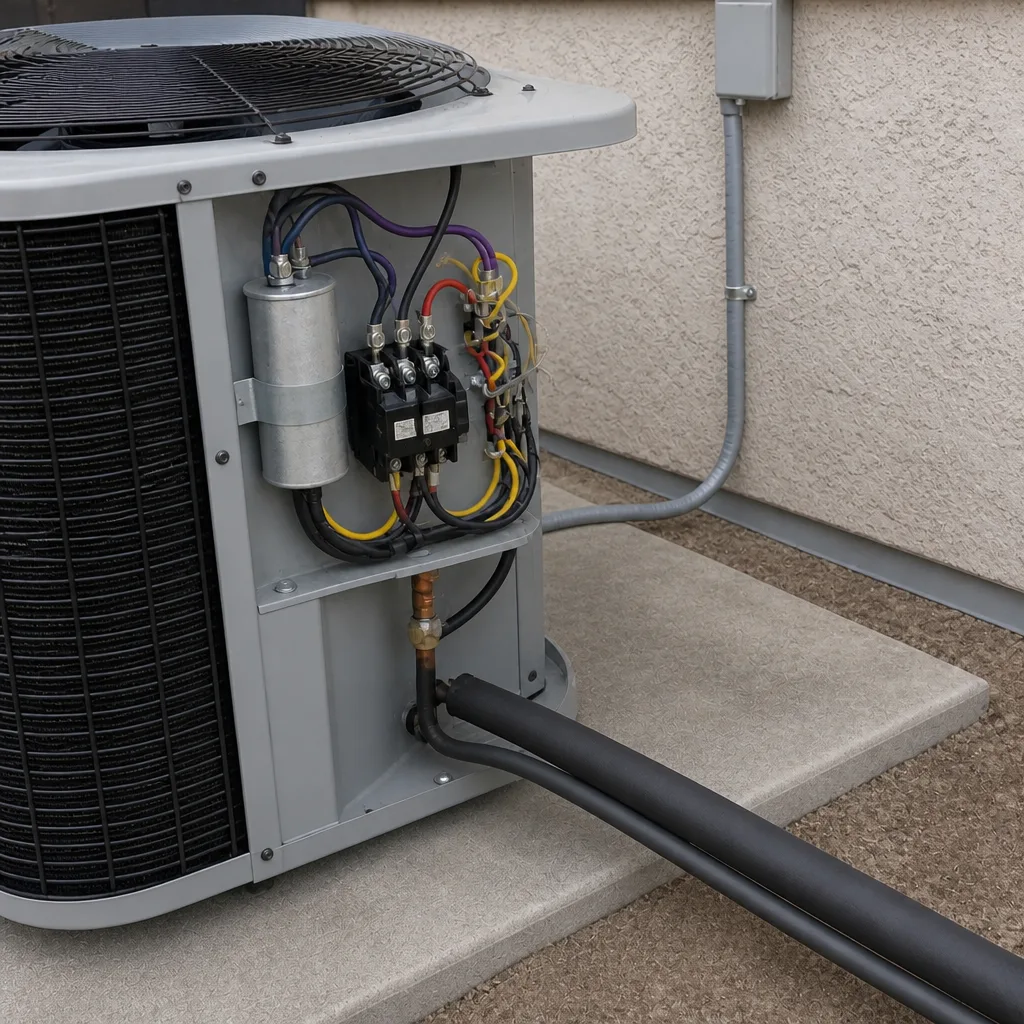 After
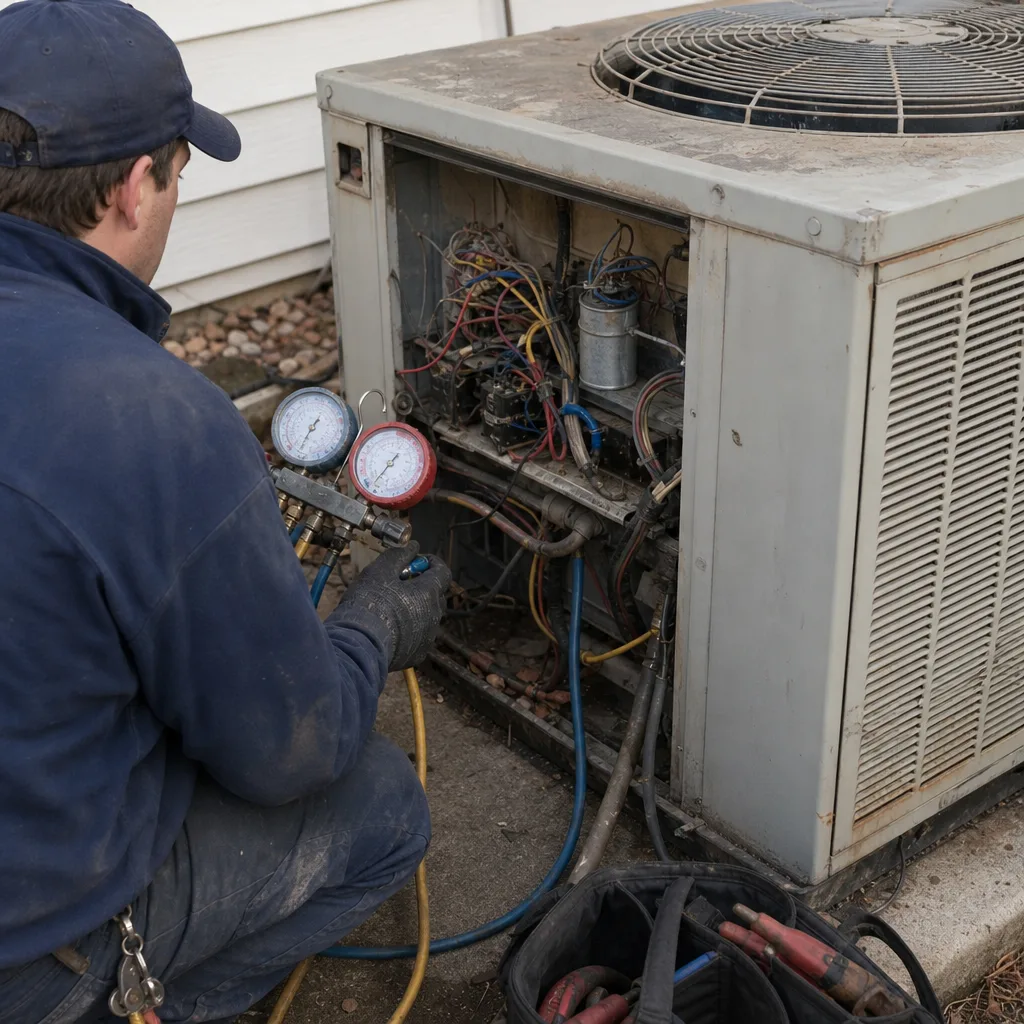 Before
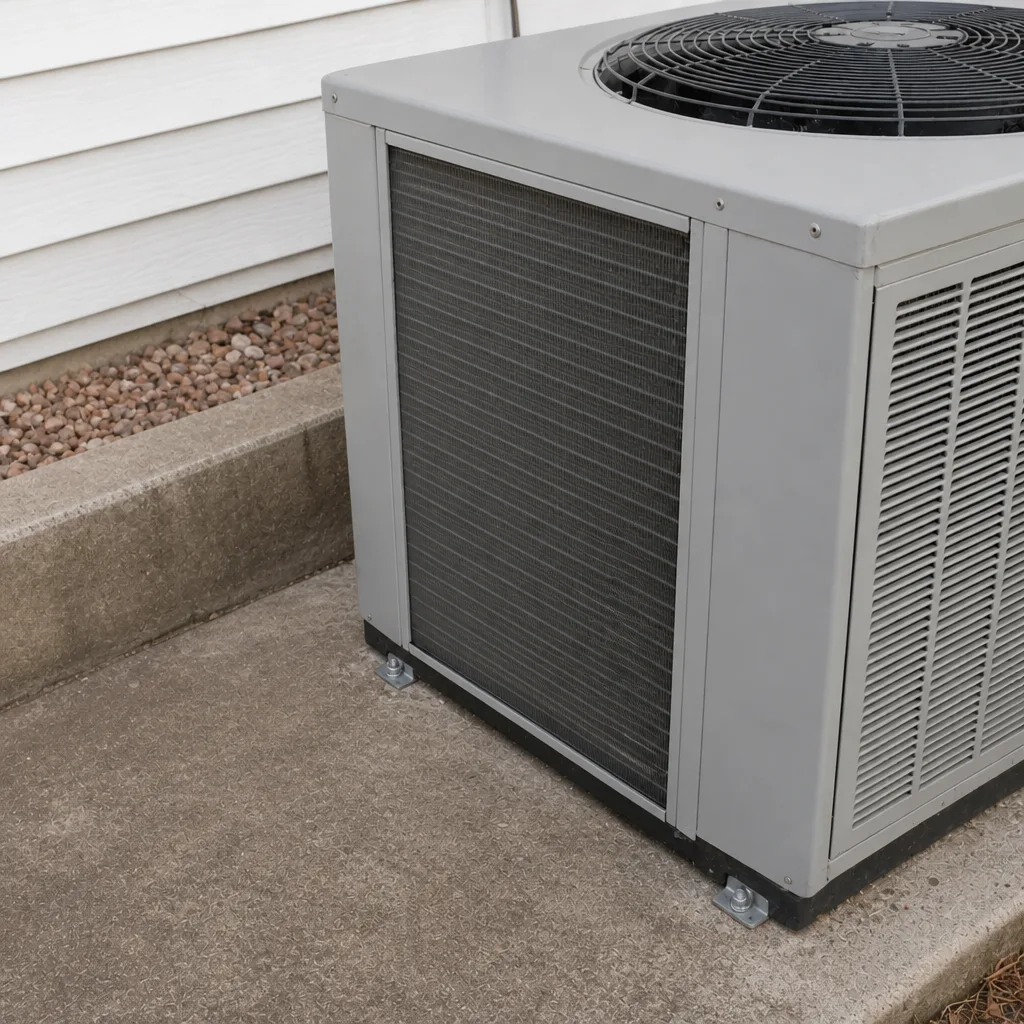 After
When to Call a Professional
Call a professional when your cooling system needs anything beyond a filter change or a thermostat battery. That includes a system that isn’t cooling, a unit that’s short-cycling, a replacement you’re planning, a permit question you can’t resolve, or a home purchase where you need the AC installation reviewed before you commit. Repairing refrigerant circuits, handling the electrical connection, and ordering the correct equipment for the permit are all work for a trained technician – the refrigerant and electrical side in particular carries real risk if handled without the right tools and training.
We handle repair, install and maintenance on cooling systems only, which means we’re not splitting attention between trades. If you’re in Winchester and want a straight answer on whether your job needs a permit, we’ll tell you before you ask. Winchester AC Repair offers free estimates in Winchester – call (888) 335-7951. We answer 24/7. Fast dispatch from 7am to 7pm, Sunday through Friday.
Frequently Asked Questions
Yes. A full AC replacement in Winchester and the rest of unincorporated Clark County requires a building permit from Clark County Building. The permit application lists the equipment model and efficiency rating, and the installation gets inspected after completion. Straight repairs, like a refrigerant repair or a part swap, generally don’t require one. Call (888) 335-7951 for an exact quote on your job – estimates are free.
A permit is the approval to do the work; an inspection is the verification that the work was done to code. You get the permit before the job starts and the inspection after it’s finished. A job isn’t complete until the inspection passes and the permit is closed. If you’re unsure whether your job needs both, call us at (888) 335-7951 and we’ll walk through the scope.
They can ask, but it’s a red flag. Permits are normally pulled by the licensed contractor performing the work, not the homeowner. When a contractor wants you to pull it, it usually means they can’t or don’t want the job inspected. Ask the contractor to pull it or find one who will. We handle the permit as part of the job – call (888) 335-7951 for a free estimate.
An inspector checks that the installed equipment matches the permit, reviews electrical connections and the disconnect, verifies clearances around the outdoor unit, checks refrigerant line routing and insulation, and confirms duct connections and condensate management. The efficiency rating is verified against the permit. Failed inspections are usually for specific, correctable items. If you need an installation brought up to standard, call (888) 335-7951.
Contact Clark County Building and request the permit history for your property address. Permit records are public, and you can look for closed mechanical permits that match your equipment. If nothing matches, the work may have been done without one. Our team can review the installation and tell you what’s actually there – call (888) 335-7951 for a free estimate.
Yes, if the ducts are being modified or added to. Permitted duct work gets inspected for sealed connections and correct configuration. A like-for-like repair to an existing duct section is usually a different matter than a redesign, so the scope decides. If you’re planning duct changes, call (888) 335-7951 and we’ll tell you whether a permit applies.
The Bottom Line
Permits exist to make sure the equipment installed in your home matches what was approved, meets Nevada’s adopted energy code, and gets verified by an inspector. Replacements, new installs and duct modifications in Winchester need one. Repairs generally don’t. A contractor who pulls their own permit, lists it on the estimate, and schedules the inspection is doing the job the right way. A contractor who asks you to pull it is telling you something. Check the permit history on any home you’re buying, and don’t assume a system that runs fine is documented. When in doubt, ask before the work starts rather than after.
Our AC repair and installation work on cooling systems from Lennox, Goodman and Rheem is a good example of how brand familiarity shortens the permit conversation – we know what the equipment needs because we’ve worked on it before. If you’re weighing a replacement against a repair, the permit question is one more reason to get a clear answer up front. For a full picture of what we do and where we work, start at Winchester AC Repair.
Call (888) 335-7951 for a free estimate. We answer 24/7. Fast dispatch from 7am to 7pm, Sunday through Friday, and we’re closed Saturday.
Written by the team at Winchester AC Repair.