
Last updated November 18, 2026
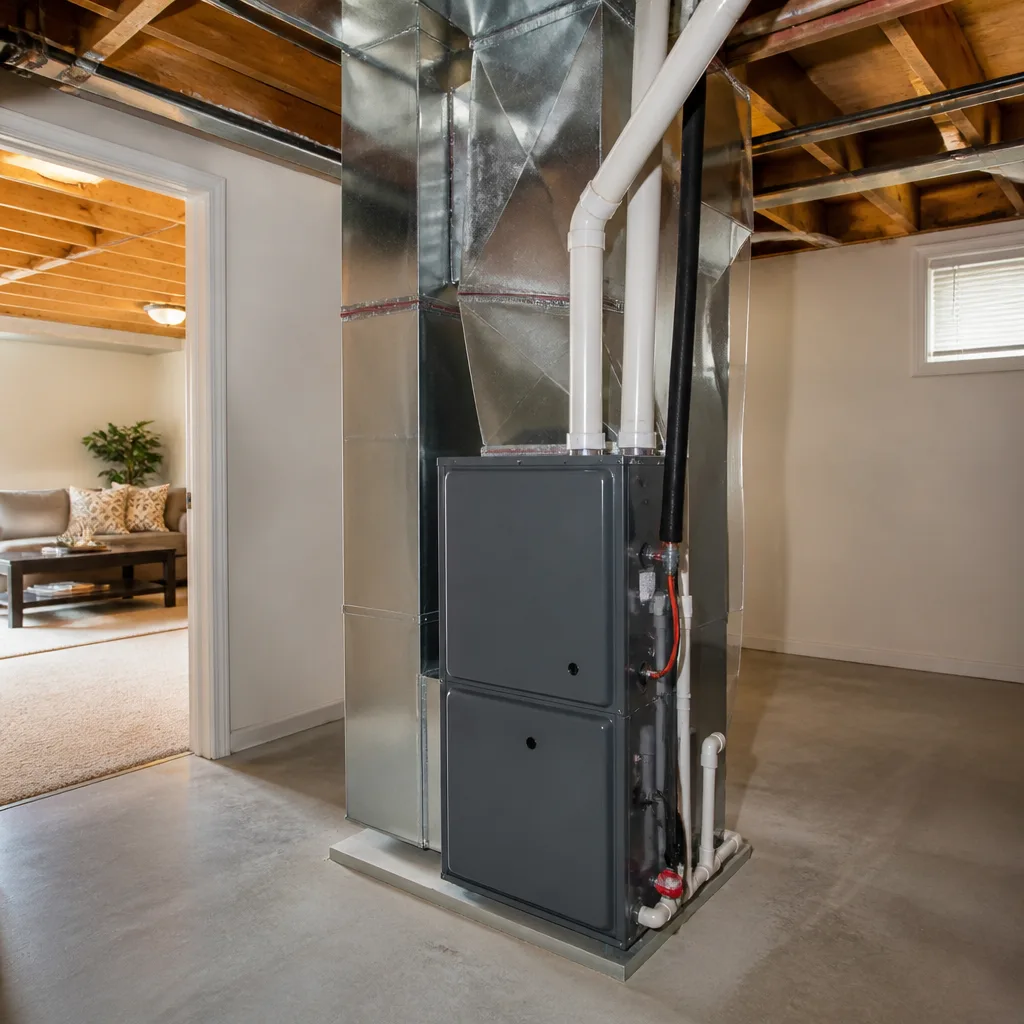 Furnace & heating
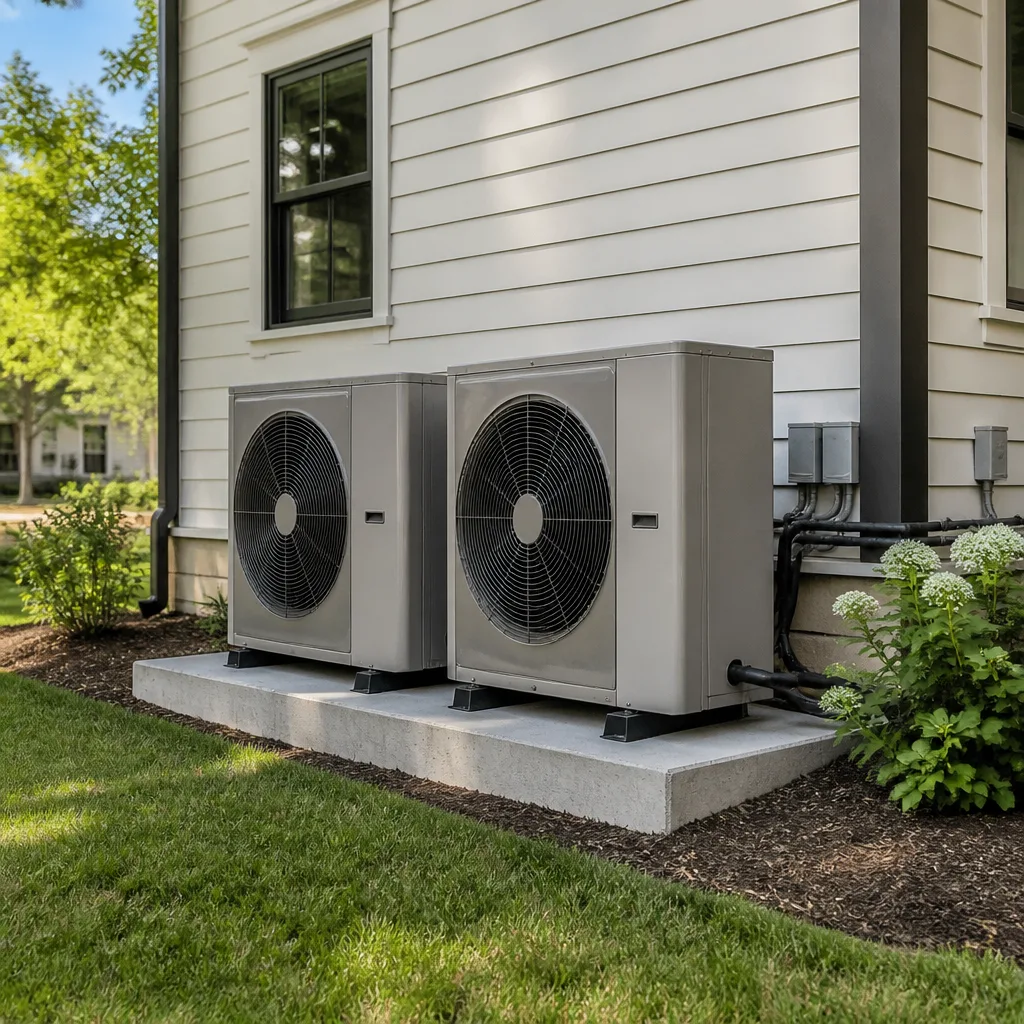 Heat pumps
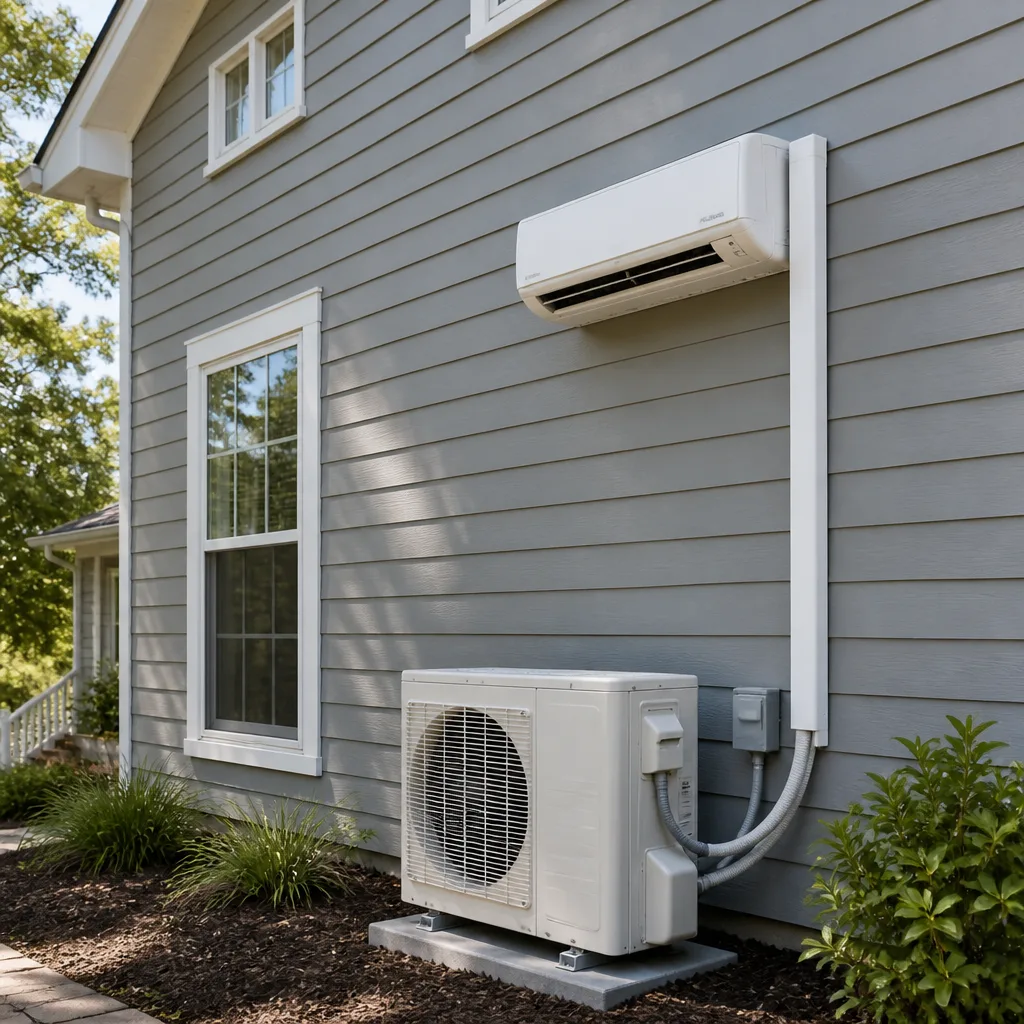 Ductless mini splits
 Carrier
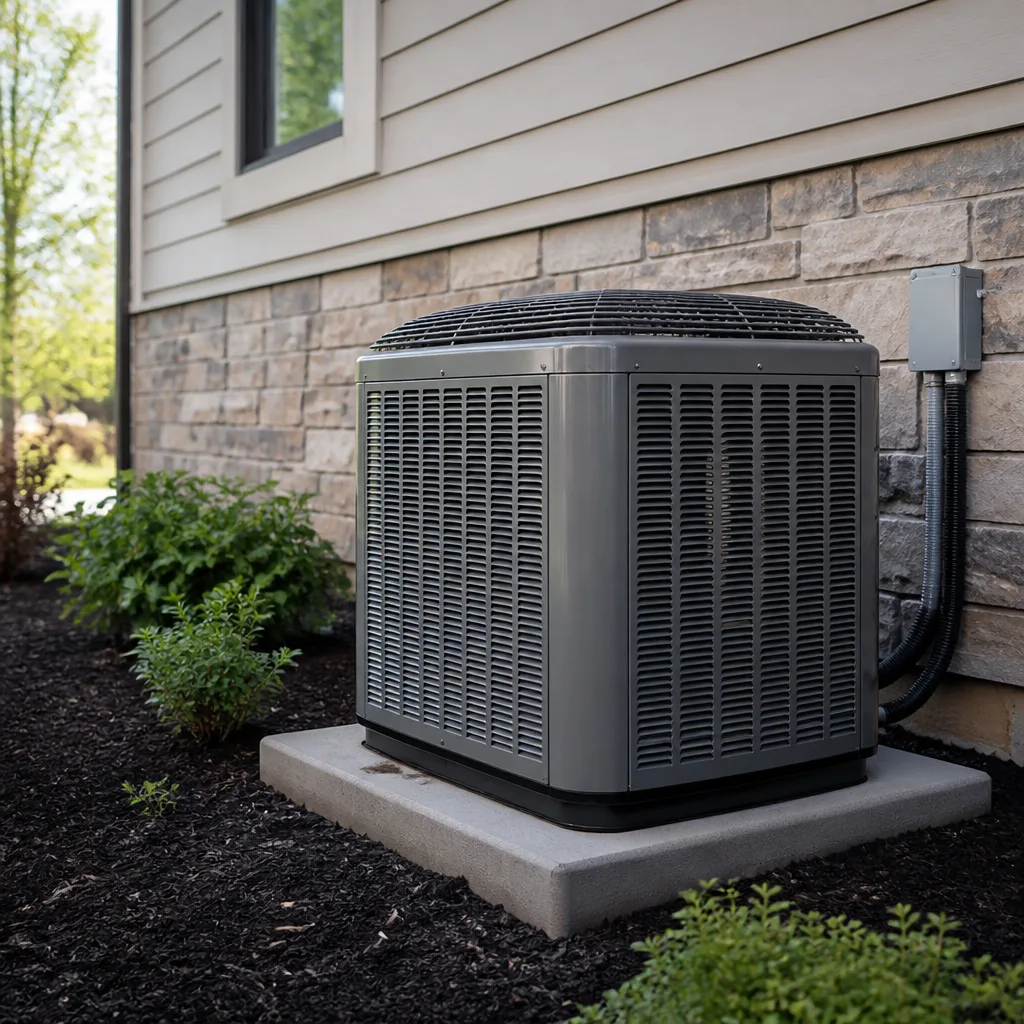 Trane
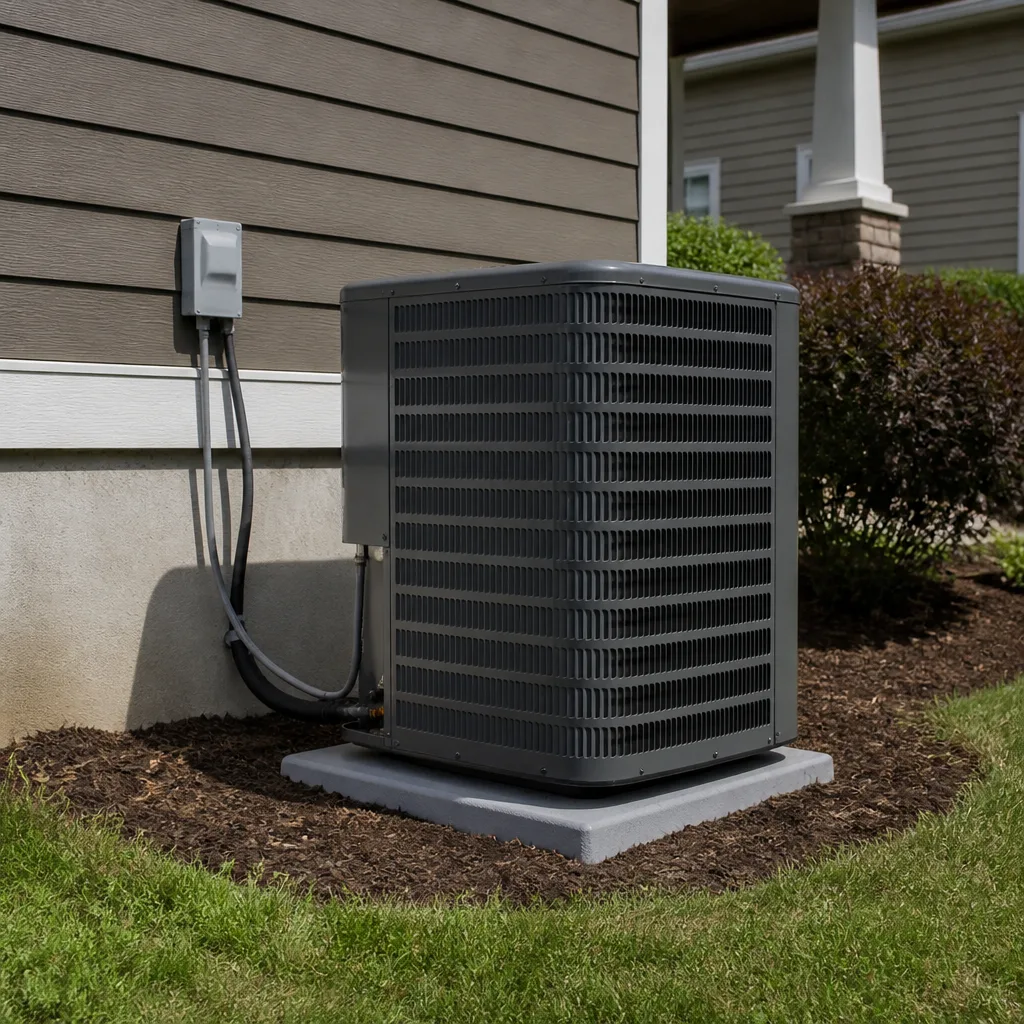 Goodman
Seasonal tune-up and full diagnostic on your Carrier, Trane, or Goodman system - readings shown to you before any repair is proposed
Diagnosis first, numbers second - you approve the repair price before a single part goes in.
Get your free estimateAC Repair Maintenance Checklist for Winchester Homeowners
Most AC maintenance checklists you’ll find online were written for a made-up “average” climate, where summer is a few sticky months and the system gets a break in between. Winchester doesn’t work that way. Here, the cooling season starts early, runs long, and pushes equipment through continuous daily cycles that shorten the useful life of parts rated for gentler use. An AC unit in Winchester runs roughly 2,100-2,400 hours per year, nearly double the national average, which means components manufacturers rate for 10 years of “normal” use can reach end-of-life in six. This guide sequences maintenance around Winchester’s real season pattern instead of a generic national calendar, so you catch failures before peak heat does.
Quick Answer
A solid AC maintenance checklist for Winchester runs in three phases: pre-season tasks before Memorial Day, mid-season checkpoints during the July-August run, and end-of-season documentation so the next technician has a usable history. The parts that matter most here are condenser coils after dust season, condensate lines given Winchester’s alkaline water, and filters on a shorter interval than the manufacturer’s default. Our technicians have up to 13 years of experience, and the pattern is consistent: systems that get these three phases done last longer and fail less often in the worst heat.
Styles & brands we work with
- AC installation
- Furnace & heating
- Heat pumps
- Ductless mini splits
- Carrier
- Trane
- Goodman
Table of Contents
- Why Winchester’s Climate Changes the Maintenance Calendar
- Pre-Season Checklist: What Must Happen Before Memorial Day
- Condenser Coils After Dust Season: What to Actually Check
- Mid-Season Checkpoints for Continuous Peak-Heat Cycles
- Condensate Lines and Winchester’s Alkaline Water
- Filter Intervals Calibrated to Winchester’s Dust Load
- What to Document After Every Service Call
- Common Mistakes to Avoid
Why Winchester’s Climate Changes the Maintenance Calendar
The standard maintenance advice you’ll find on most HVAC sites assumes a temperate climate with a clear off-season. Winchester’s calendar is compressed at the front and stretched at the back. Dust season rolls into cooling season with barely a pause, and the peak July-August stretch runs systems in 10-12 hour daily cycles that accumulate wear quickly. A component that logs 600 hours in a temperate climate over one summer can log over 2,000 hours here.
That changes how you think about maintenance intervals. Factory service schedules are built around “average” run-time, and average doesn’t describe a system that’s working most of the day for months. When you compress those hours into a Winchester season, the practical intervals get shorter. Filter changes, coil inspections, and condensate flushes all need to happen more often than the manufacturer’s manual suggests.
The other local factor is dust. Winchester sits in a dry desert valley where wind-blown particulate loads the outdoor coil and clogs filters faster than in wetter climates. Coils that would take a full season to foul elsewhere can cake up in weeks during a windy stretch. If you’ve ever wondered why your system seems to struggle more each summer, dust is usually the first thing to suspect.
This isn’t a reason to panic. It’s a reason to work from a Winchester calendar instead of a national one. Once you shift the timing, most of the same tasks still apply. The sequencing is what saves you.
Pre-Season Checklist: What Must Happen Before Memorial Day
Pre-season work must be done by Memorial Day, not “sometime in spring.” In Winchester, the first real heat often arrives before the calendar says it should, and a system that fails its first hard test in June is far more expensive to fix than one checked in April or early May. We’ve seen systems go down on the first 100-degree day because nobody looked at the capacitor in March.
Here’s the pre-season sequence we recommend for every Winchester home:
- Replace the air filter. Start the season with a clean one, no matter what the last replacement date says. Dust load in Winchester makes the manufacturer’s 90-day default optimistic for most homes.
- Clear the outdoor unit’s clearance zone. Two feet of clear space on all sides, top clear of debris, and no plants growing into the coil. Blocked airflow is the leading cause of high-head-pressure shutdowns on the first hot day.
- Rinse the condenser coil. A gentle garden-hose rinse from the inside out lifts the winter dust layer before it bakes on. Never use a pressure washer; it bends the fins.
- Check the condensate drain pan and line. Pour a cup of water through and confirm it drains freely. If it’s slow, that’s the first sign of scale (more on that below).
- Test the thermostat in cooling mode. Run it for 10 minutes. If it doesn’t reach setpoint or short-cycles, that’s a service call, not a maintenance item.
- Look at the disconnect and breaker. No scorching, no loose conduit, no tripped breaker. If anything looks wrong at the electrical panel, stop and call a professional.
- Schedule a professional tune-up. A technician checks refrigerant charge, capacitors, contactors, and amp draw. Those are the items that fail quietly and take the system down in July.
If you’d like that professional visit handled by AC specialists rather than a generalist, that’s what Winchester AC Repair does. We work on Carrier, Bryant, American Standard, Daikin, and five other major brands, so the technician walks in already familiar with your equipment rather than reading the manual on your patio.
Condenser Coils After Dust Season: What to Actually Check
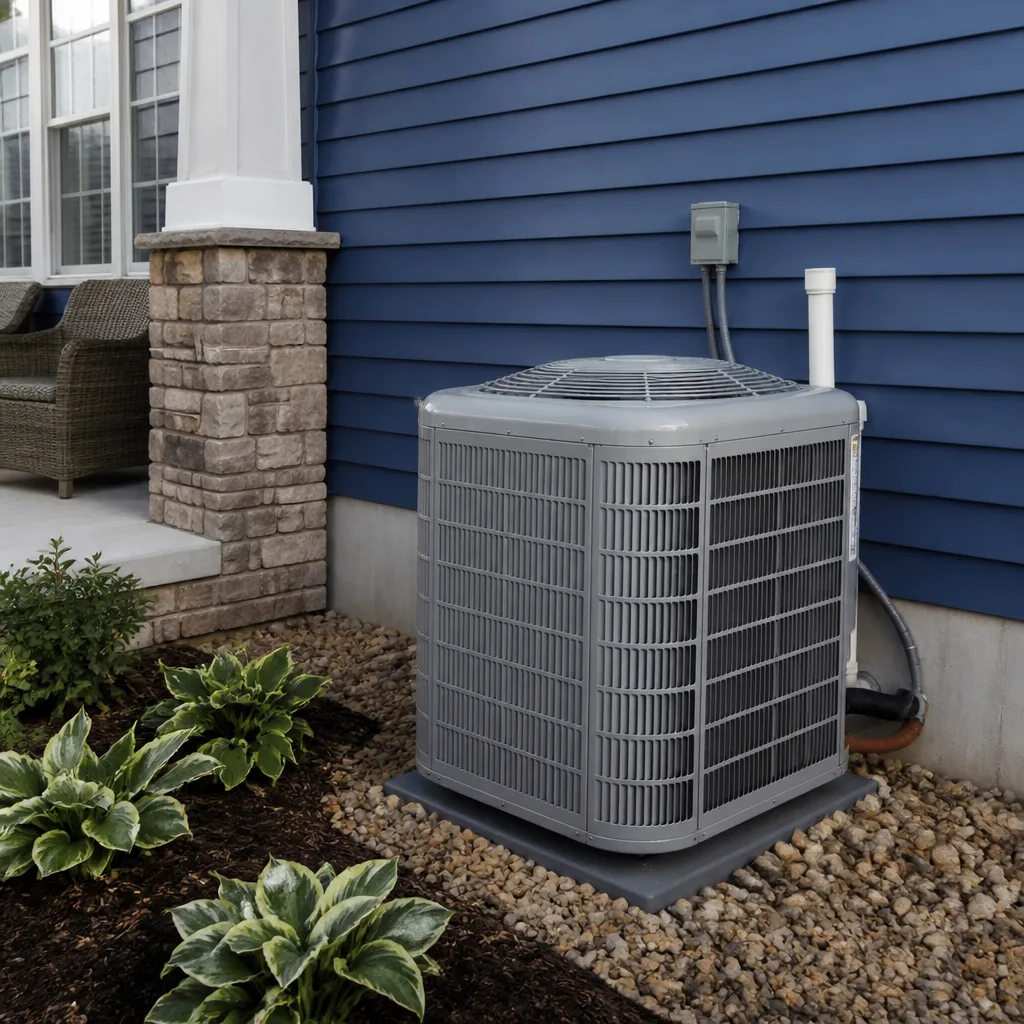
The condenser coil is the single most neglected component in Winchester. It sits outside all year, pulling air through its fins, and every particle in that air either passes through or sticks. After a Winchester dust season, the coil can carry a visible film that quietly costs you efficiency all summer.
Here’s what to look at, in order of importance:
- The outer face of the coil. Shine a light through the fins from the inside. If you can’t see light coming through, the coil is blocked and needs a proper cleaning.
- The fin condition. Bent fins restrict airflow the same way dirt does. Small combs can straighten them; badly crushed sections need a technician’s attention.
- Debris in the bottom of the cabinet. Cottonwood fluff, grass clippings, and leaf litter collect at the base and hold moisture against the coil.
- The fan blade and motor. Dust buildup on the blade unbalances it and stresses the motor bearing. A quick wipe goes a long way.
- Clearance to the house and fence. If anything has grown into the unit’s airflow path, trim it back before the season starts.
A homeowner can do the rinse-and-clear work safely with a garden hose. What you should not do is open the refrigerant circuit or attempt to clean the indoor coil yourself; that’s where a mistake gets expensive fast. If the coil looks heavily fouled, or if the system has been running warm, have a technician pull and clean it properly. If you’ve noticed your system struggling in ways a rinse won’t fix, AC repair is the next step rather than another rinse.
Mid-Season Checkpoints for Continuous Peak-Heat Cycles
By late June, your system is running 10-12 hours a day. By the middle of July in Winchester, it may run continuous cycles through the afternoon. This is when quiet failure modes start showing up. It’s also when most homeowners are least likely to check anything, because the system is “working fine.”
Mid-season checkpoints aren’t about doing more. They’re about noticing earlier:
- Listen to the outdoor unit on a cool morning. A healthy compressor has a steady hum. A click-then-hum pattern, a rattle, or a new buzz usually means a failing capacitor or contactor.
- Watch for ice on the indoor or outdoor coil. Ice almost always means a refrigerant charge issue or restricted airflow. Turn the system off and call for service; don’t thaw it and restart without a diagnosis.
- Check the filter every 30 days during peak season. Not every 90 days, and not “when I remember.” The 30-day cadence is the practical interval for most Winchester homes in July and August.
- Feel the air at a supply register. If the air is cool but weak, that’s an airflow problem. If it’s only mildly cool, that’s often a charge or coil problem.
- Look at the condensate line and pan once a week. If you see standing water, shut the system off and clear the line before it overflows.
- Watch your electric bill month over month. A sudden jump without a rate change usually points to a system working harder than it should.
If any of these turn up, don’t wait for a “convenient” repair window. A failing capacitor in early July is a short service call. In mid-August it’s a night without cooling. Give us a ring at (888) 335-7951 and we’ll help you decide whether it needs same-day dispatch or a scheduled visit.
Condensate Lines and Winchester’s Alkaline Water
Condensate lines are the part of AC maintenance most homeowners never think about. In Winchester, they deserve extra attention. The local water supply carries a mineral load that deposits scale faster than a standard once-a-year flush schedule is designed to handle. That scale builds up inside the drain line, narrows the passage, and eventually blocks it entirely. When it does, the pan overflows, water finds drywall, and you’re looking at a repair that has nothing to do with cooling and everything to do with a clogged drain.
What to do, in order:
- Flush the line monthly during cooling season. A cup of white vinegar poured into the access tee (if your system has one) dissolves early mineral deposits before they harden.
- Watch the drain pan. A little condensation is normal. Standing water or a slow drain is the early warning.
- Check the pan in the attic or closet if your system has a secondary drain pan. A wet pan upstairs means find a professional before the ceiling finds them for you.
- Look for the float switch. Most modern systems have a safety float that shuts off the system when the pan fills. If that switch has tripped, find out why before you reset it.
- Never run a wire or chemical drain cleaner through the line. Caustic drain cleaner eats PVC. Wire can puncture the line. Use a wet/dry vacuum on the outdoor end or call a technician.
If the line is already slow or overflowing, that’s a same-day call. A properly serviced line should flow freely in seconds, and a Winchester technician who knows the local water can tell you how often your specific system needs attention.
Filter Intervals Calibrated to Winchester’s Dust Load
The manufacturer’s “change every 90 days” recommendation was written for a climate and a dust load that doesn’t match Winchester. In a dry desert valley with wind-blown particulate and a long cooling season, most homes need a filter change every 30-45 days during the peak months, and often every 30 days if there are pets in the house or the return is near a door that gets used a lot.
Here’s how to calibrate your own interval:
- Check the filter at 30 days for the first month of cooling season. If it’s already visibly gray, shorten the interval.
- Hold it up to a light. If you can’t see through it, it’s done, regardless of what the calendar says.
- Match filter type to airflow. A high-MERV filter catches more, but if it’s too restrictive for your system it starves the coil. Standard 1-inch pleated filters at MERV 8-11 are the common sweet spot for most residential systems.
- Don’t run the system without a filter. A couple of hours is fine; a couple of weeks will coat the indoor coil and blower wheel in dust that only a technician can clean out.
- Write the date on the filter edge with a marker. A filter you can’t date is a filter you’ll forget to change.
If you’re not sure what your system needs, ask when a technician is out. A quick check on the return grille and blower compartment tells us how your filter is performing. If the equipment is older and struggling, a professional tune-up often reveals that what looks like a filter problem is actually a system that’s nearing the end of its useful life; at that point, AC installation becomes worth discussing, and we’ll tell you honestly whether replacement makes sense.
What to Document After Every Service Call
This is the step almost everyone skips, and it’s the one that makes every future service call faster and cheaper. When a technician arrives at a system with no history, they spend the first 15 minutes rebuilding the picture from scratch: what was replaced, when, what the pressures were, what the amp draw looked like. When that history exists, they can pick up exactly where the last visit left off.
What to capture, every time:
- Date and technician or company name. Name is enough. You’ll be surprised how often this matters when you need to make a warranty claim.
- Measurements. Refrigerant pressures, subcooling or superheat, amp draw on the compressor and blower, capacitor microfarad readings. The technician’s invoice should have these.
- Parts replaced and part numbers. Capacitors, contactors, filters, thermostats. Record the spec, not just “a part.”
- Filter size and MERV rating so the next person doesn’t guess.
- What was recommended but not done. A flagged issue that gets ignored for two seasons is a future emergency with a date on it.
- Condensate line condition. Whether it was flushed, whether it was slow, and what the pan looked like.
Keep this in a folder near the unit. The next technician, whether it’s us or anyone else, walks in with a usable picture instead of a blank slate. In our experience, that alone often saves a return visit. It’s also why maintenance clients tend to get faster diagnostics: their history is already written down. When you’re ready to start that record, our maintenance program is designed for exactly that; find out what’s involved in Winchester by getting in touch.
Common Mistakes to Avoid
- Following a generic spring/fall maintenance calendar. Those calendars assume a temperate climate with a real off-season. In Winchester, the “off-season” barely exists, and pre-season work needs to be finished before Memorial Day, not sometime in May.
- Waiting for the system to fail before calling anyone. By the time the house is hot, the problem is usually cascading: a failing capacitor causes a compressor to draw too much current, which trips a breaker, which ends with a service call you can’t schedule for tomorrow. Maintenance exists to catch those failures in the order they happen, before the chain runs out.
- Skipping condensate flushes because “it drained fine last year.” Scale doesn’t announce itself. Winchester’s alkaline water builds deposits slowly and then blocks in a single hot week, usually while you’re out of town.
- Using a pressure washer on the condenser. It seems faster, and it destroys fin integrity in seconds. Bent fins cost more to repair than the coil is worth on older equipment.
- Buying the cheapest filter available (or the thickest). MERV ratings above what the system was designed for restrict airflow and starve the coil. Standard pleated filters at the right MERV for your system catch plenty.
- Not keeping records. A technician who has to rebuild the maintenance history from scratch bills more time and often recommends more testing than one who can read what’s already been done. The paper trail is worth keeping.
- Trusting a generalist to know your equipment. An HVAC contractor who also does plumbing, heating, and electrical calls may be competent, but they’re seeing your unit between jobs on other trades. A dedicated AC specialist works on cooling equipment all day, every day, and knows the failure patterns of your brand cold.
See the difference
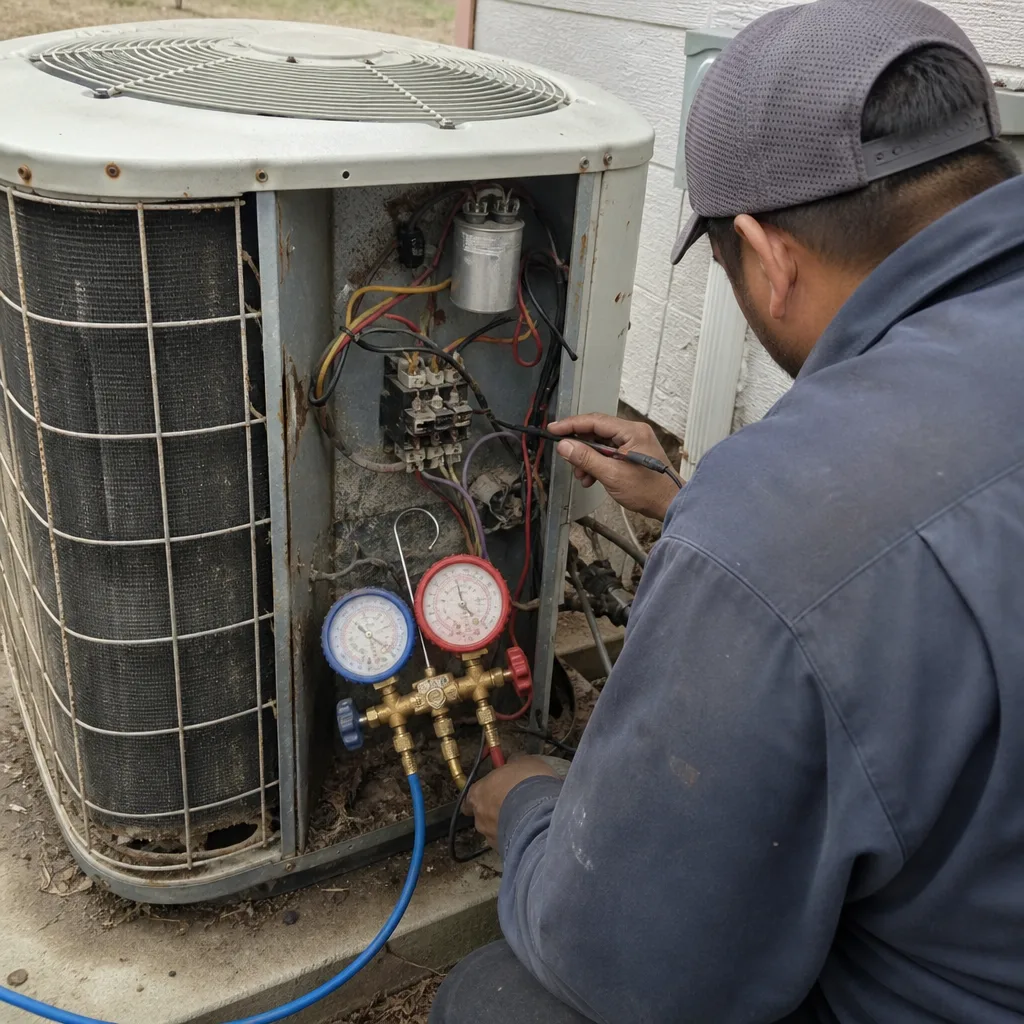 Before
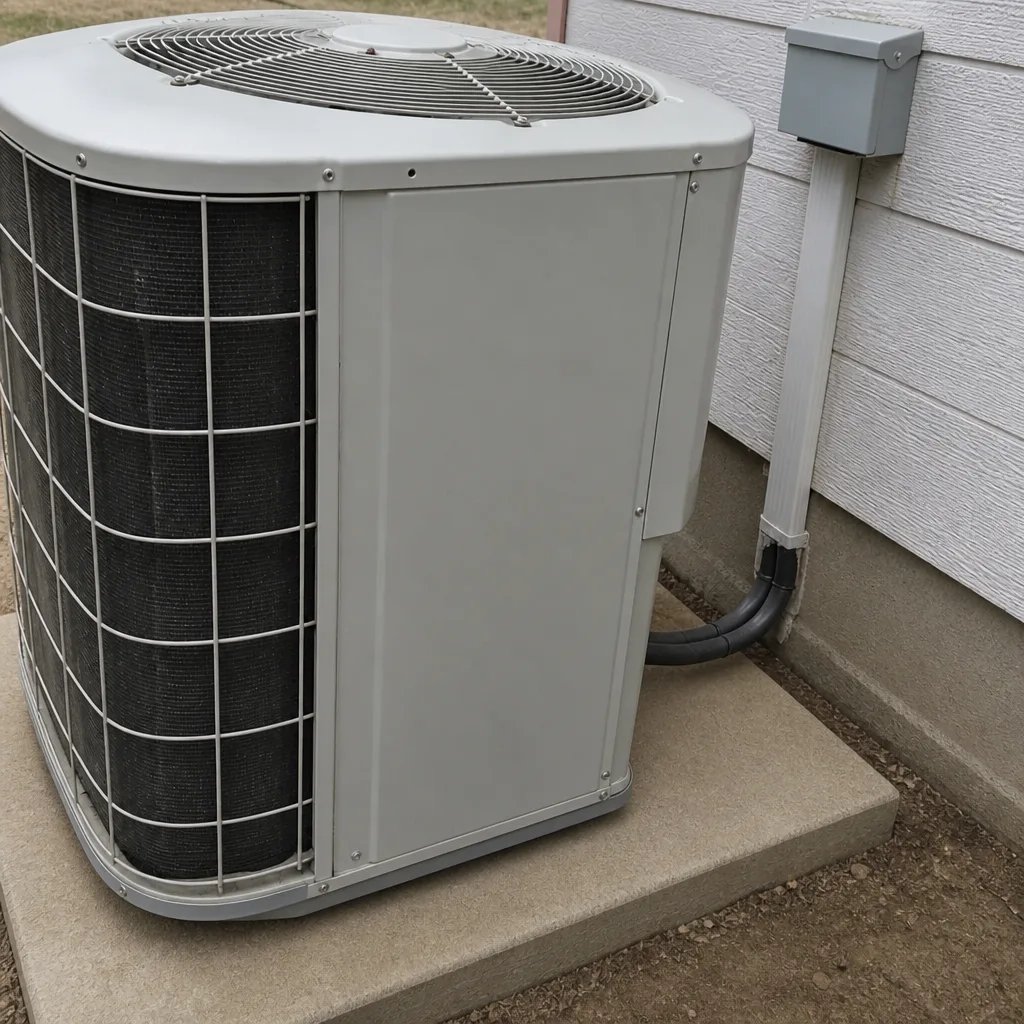 After
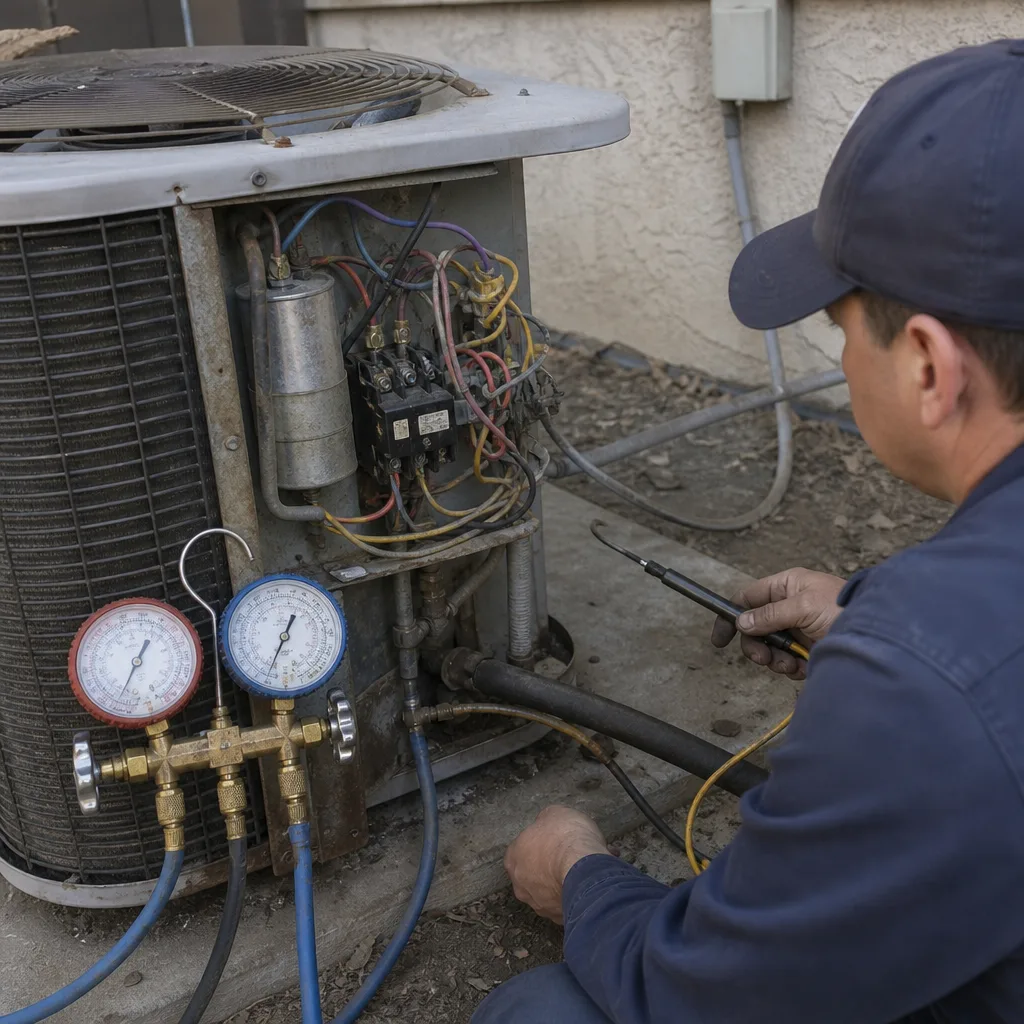 Before
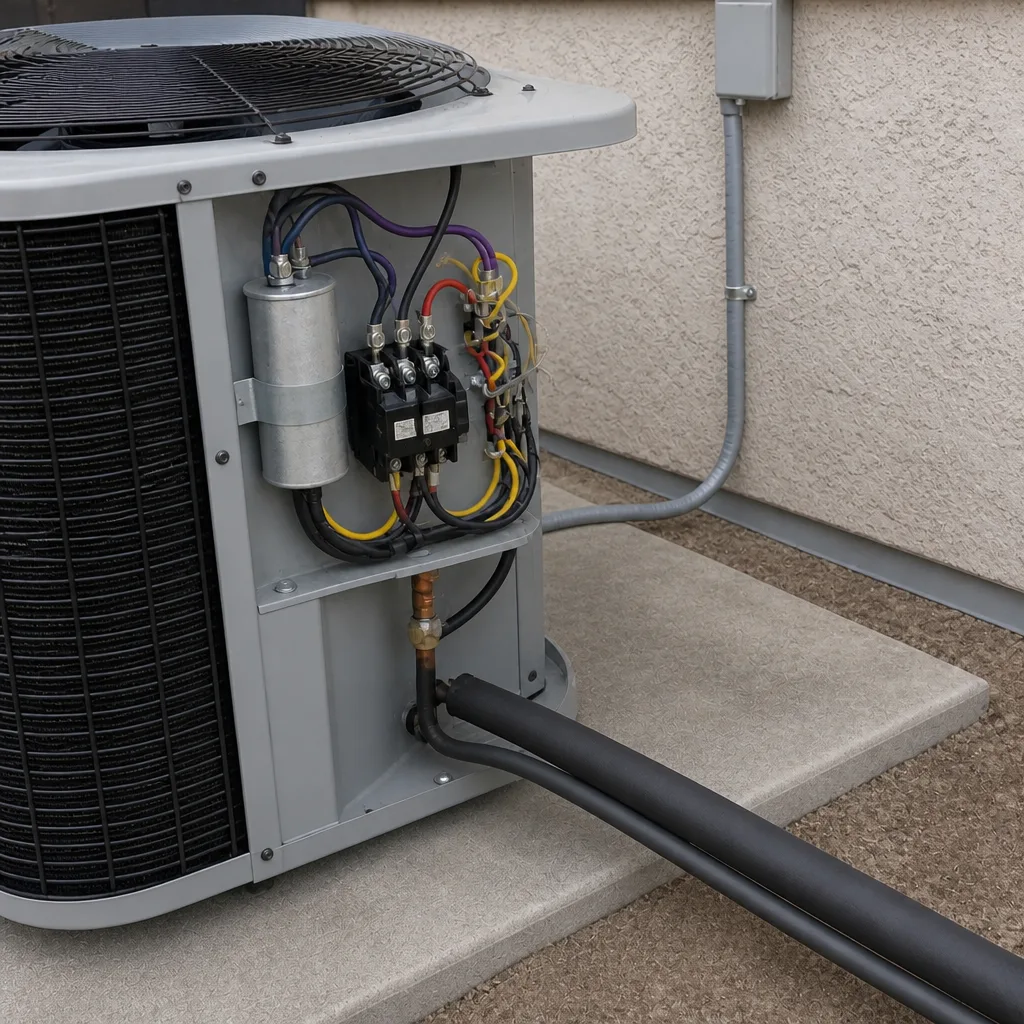 After
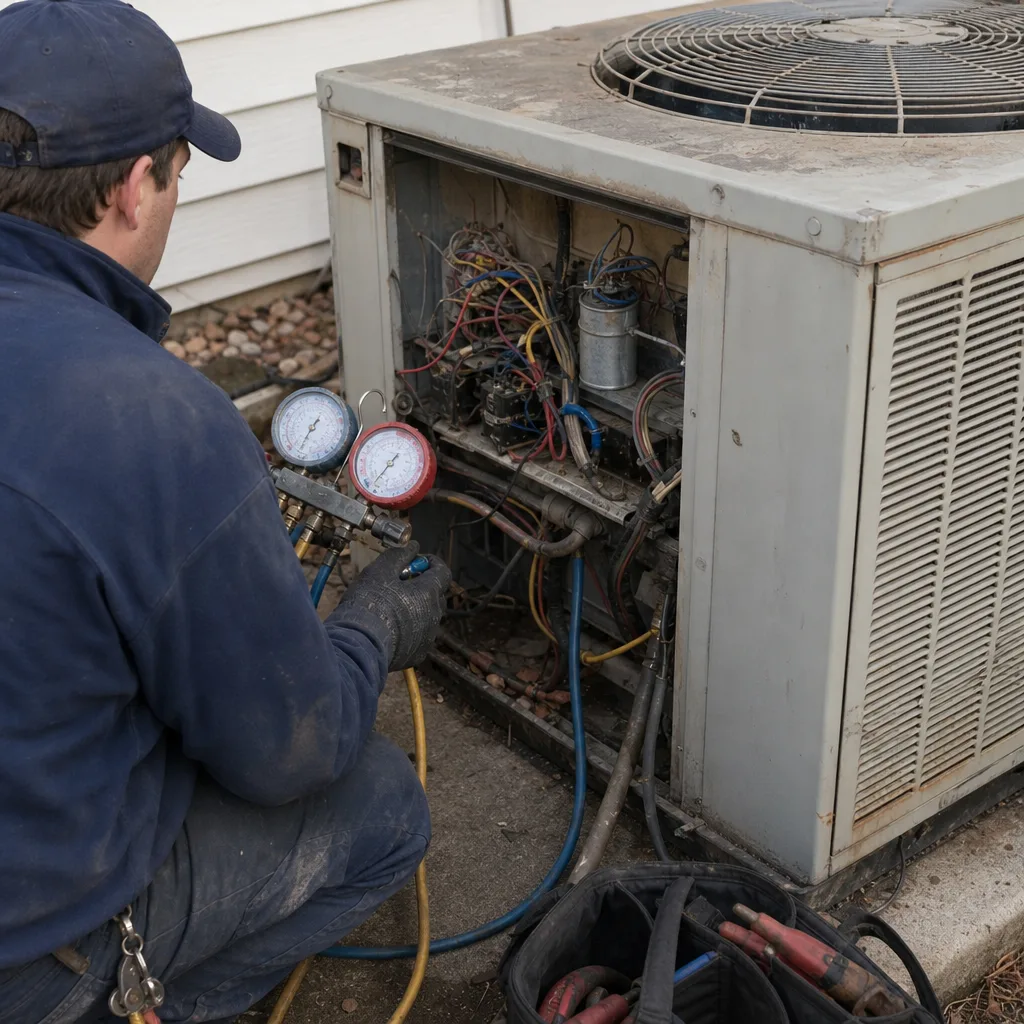 Before
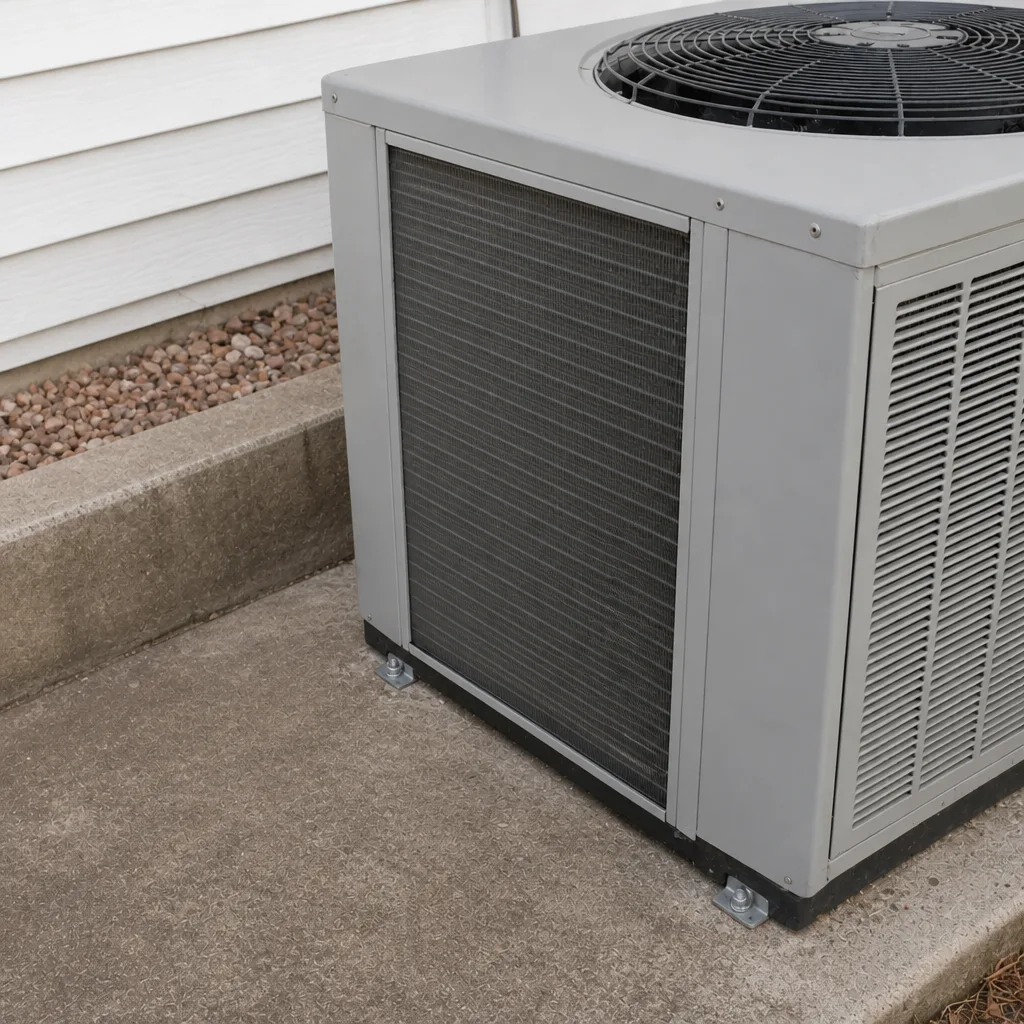 After
When to Call a Professional
You should call a professional whenever the problem involves the refrigerant circuit, the electrical components, or the indoor coil. Those are areas where a wrong move can cost you the equipment or the safety of the system. You should also call if you notice the system short-cycling, ice forming on the coil, a burning smell at the disconnect, standing water at the pan, or a bill that suddenly jumped more than usual. None of these are “wait and see” items in Winchester’s climate, where the days are long and the next hot spell is usually a week away. Our team is here for all three phases of the work: repair, install, or maintain, with free estimates and pricing set per job by the written estimate. Call (888) 335-7951 to get scheduled. We answer 24/7. Fast dispatch from 7am to 7pm, Sunday through Friday.
Frequently Asked Questions
Twice a year is the practical recommendation here: once before Memorial Day and once mid-season, ideally in July or early August during the peak run. Winchester’s long cooling season puts more hours on your equipment than a manufacturer’s “once a year” schedule assumes, so an extra mid-season check catches the wear that a single spring visit misses. Schedule it before the first heat wave when the calendar is still open.
Every 30-45 days during cooling season, not every 90 days. Winchester’s dust load settles into filters faster than the manufacturer’s generic recommendation accounts for, and a clogged filter starves the coil, drives up energy use, and shortens equipment life. Check at 30 days the first month, then adjust from there. If it’s gray at 30 days, shorten the interval.
The condensate line. The alkaline water in Winchester deposits mineral scale inside the drain line faster than a once-a-year flush clears, and when the line blocks, the pan overflows and the water finds drywall. A monthly vinegar flush during the cooling season is a five-minute habit that prevents the most expensive preventable repair on the system.
You can safely handle the homeowner-level items: filter changes, coil rinses, clearance, and condensate flushes. You should hand off anything involving the refrigerant circuit, capacitors, contactors, electrical panels, or the indoor coil. Those areas carry real safety risk and a mistake there can damage the compressor or worse. When in doubt, get a technician out for the parts you’re not sure about.
It depends on the age of the system, the cost of the repair, and how many failures you’ve already had. If a single repair costs more than roughly 30-40% of a new system’s installed price and the equipment is past its expected service life, replacement usually makes better financial sense. If the system is otherwise healthy and the repair is minor, repair is the right call. A technician with brand familiarity on Carrier, Bryant, or American Standard can tell you honestly which side of that line you’re on. Call (888) 335-7951 to talk it through; estimates are free.
We service equipment from nine major manufacturers: Carrier, Trane, Lennox, Goodman, Rheem, York, Daikin, Bryant, and American Standard. Those nine cover the vast majority of residential systems in Winchester, and it means no service call gets turned away because of brand unfamiliarity. If your system falls outside that list, call and ask; we’ll tell you honestly whether we’re the right fit.
The Bottom Line
Winchester’s climate compresses the standard AC maintenance calendar into something tighter and more sequential. Pre-season work needs to be done before Memorial Day, condenser coils need a real look after dust season, mid-season checkpoints matter during the continuous July-August run, condensate lines need flushing more often because of local water, and filters need changing on a Winchester interval rather than the manufacturer’s default. Document every service call so the next technician starts with a history. Follow that sequence and your system runs cleaner, fails less, and lasts longer than one on a generic national schedule. If you’d rather hand the whole thing to a specialist who knows your brand, that’s exactly what we do.
Call (888) 335-7951 for a free estimate on AC maintenance, repair, or installation in Winchester. We answer 24/7. Fast dispatch from 7am to 7pm, Sunday through Friday. Repair, install, or maintain, with the written estimate setting the final price.
Written by the team at Winchester AC Repair.