
Last updated November 18, 2026
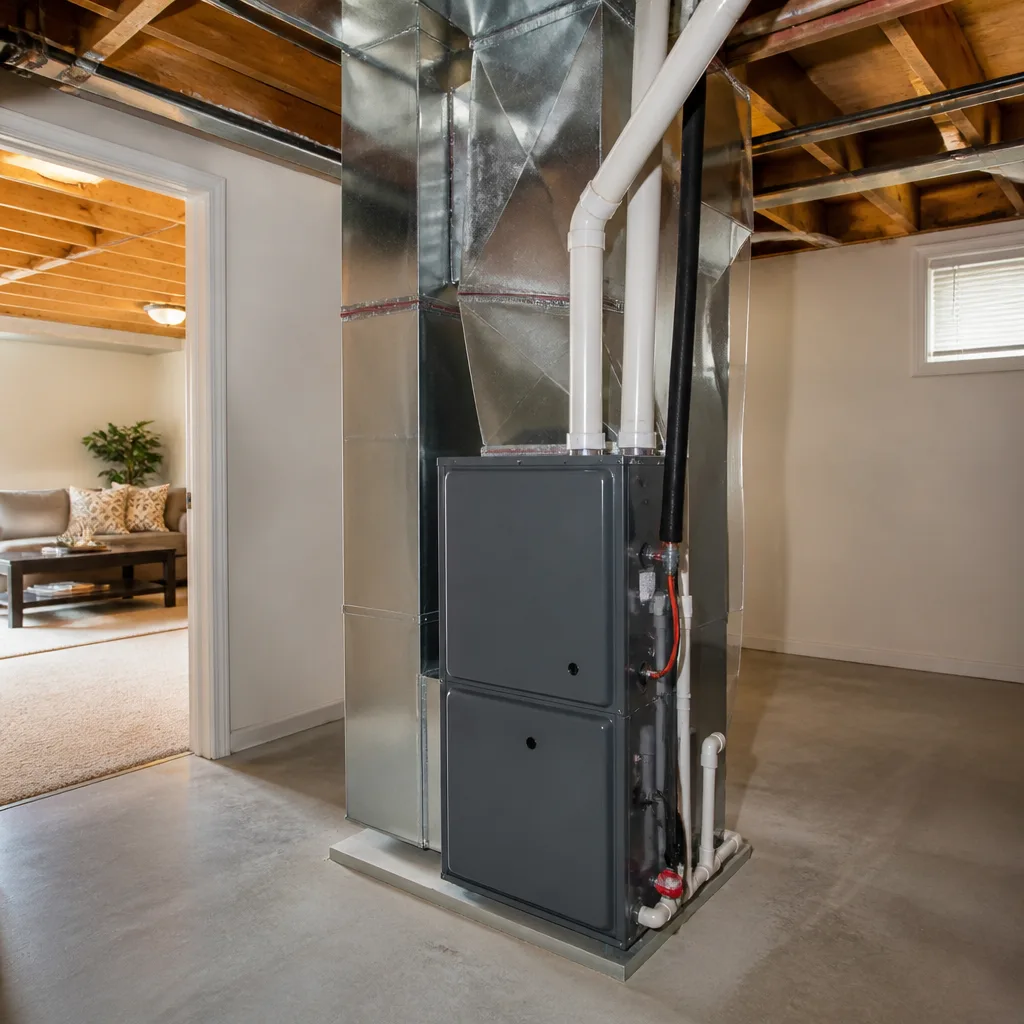 Furnace & heating
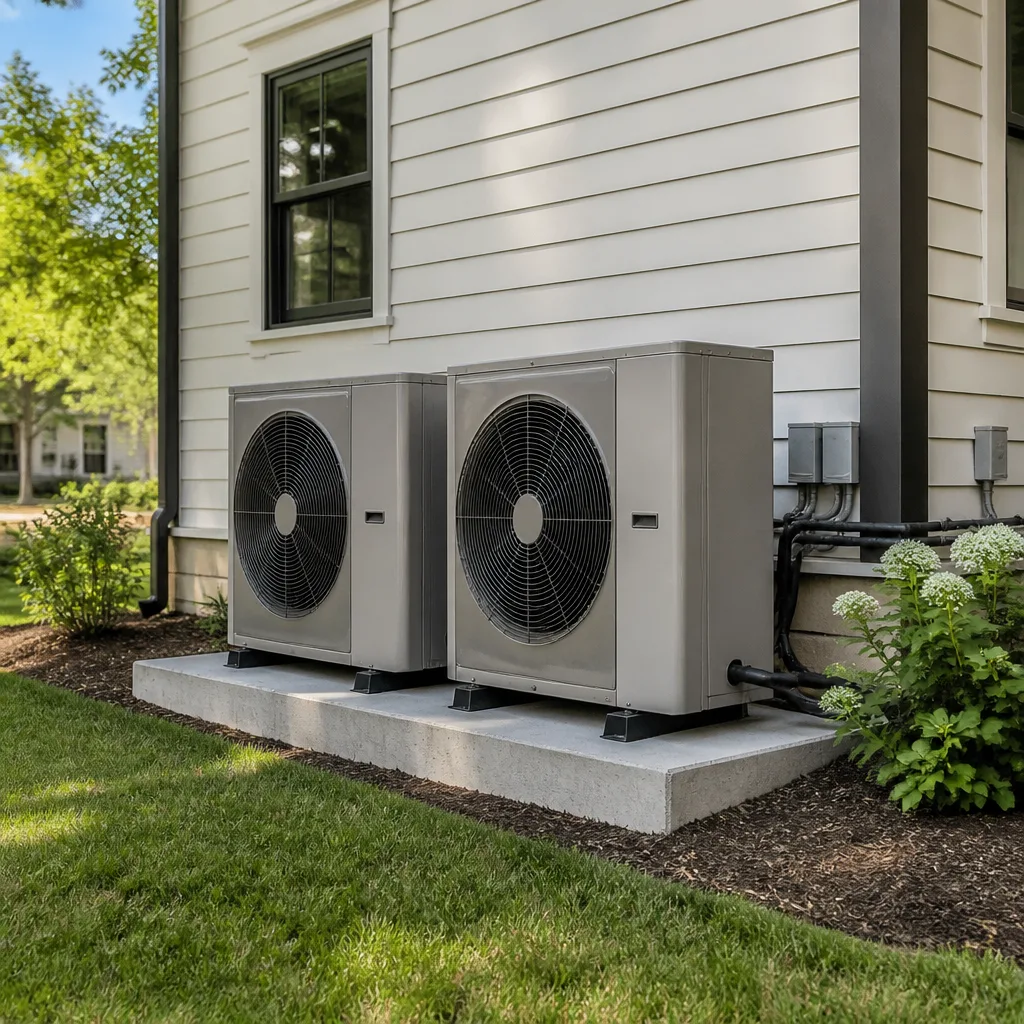 Heat pumps
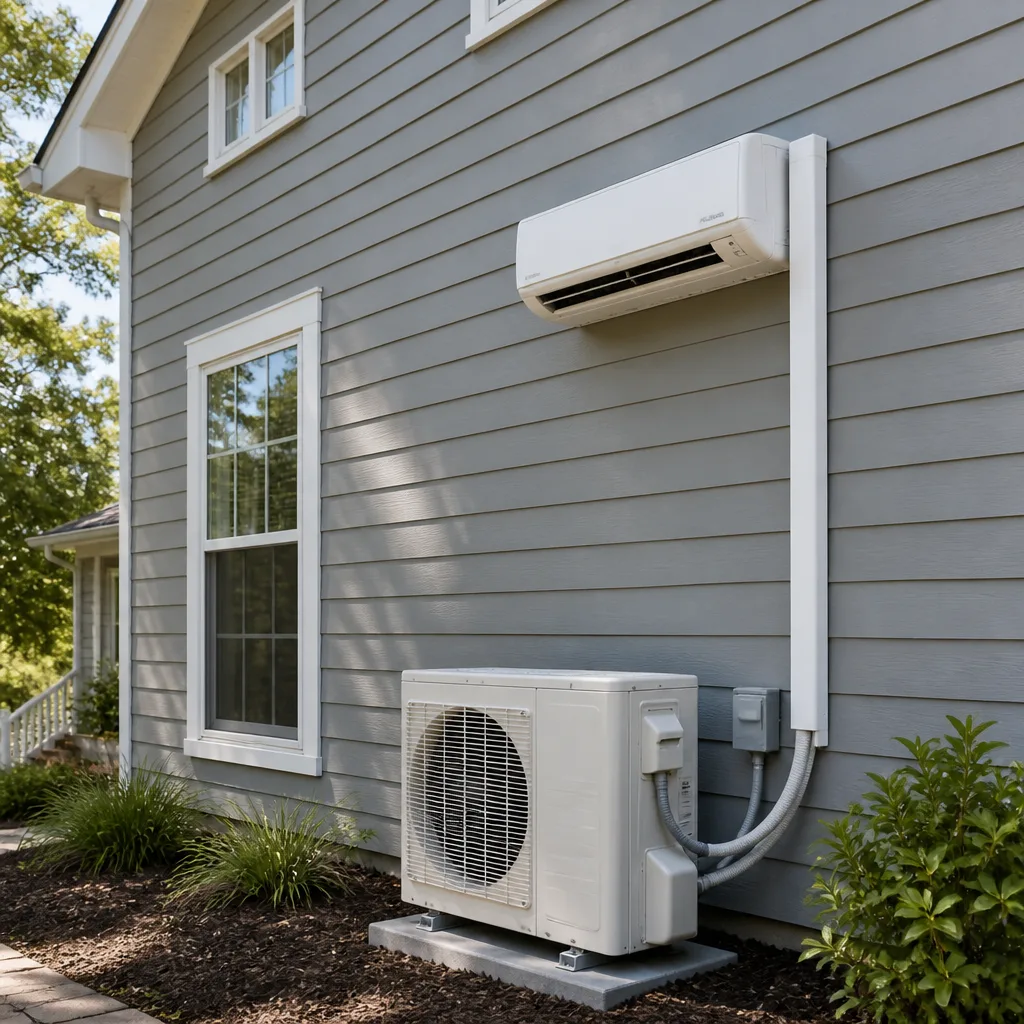 Ductless mini splits
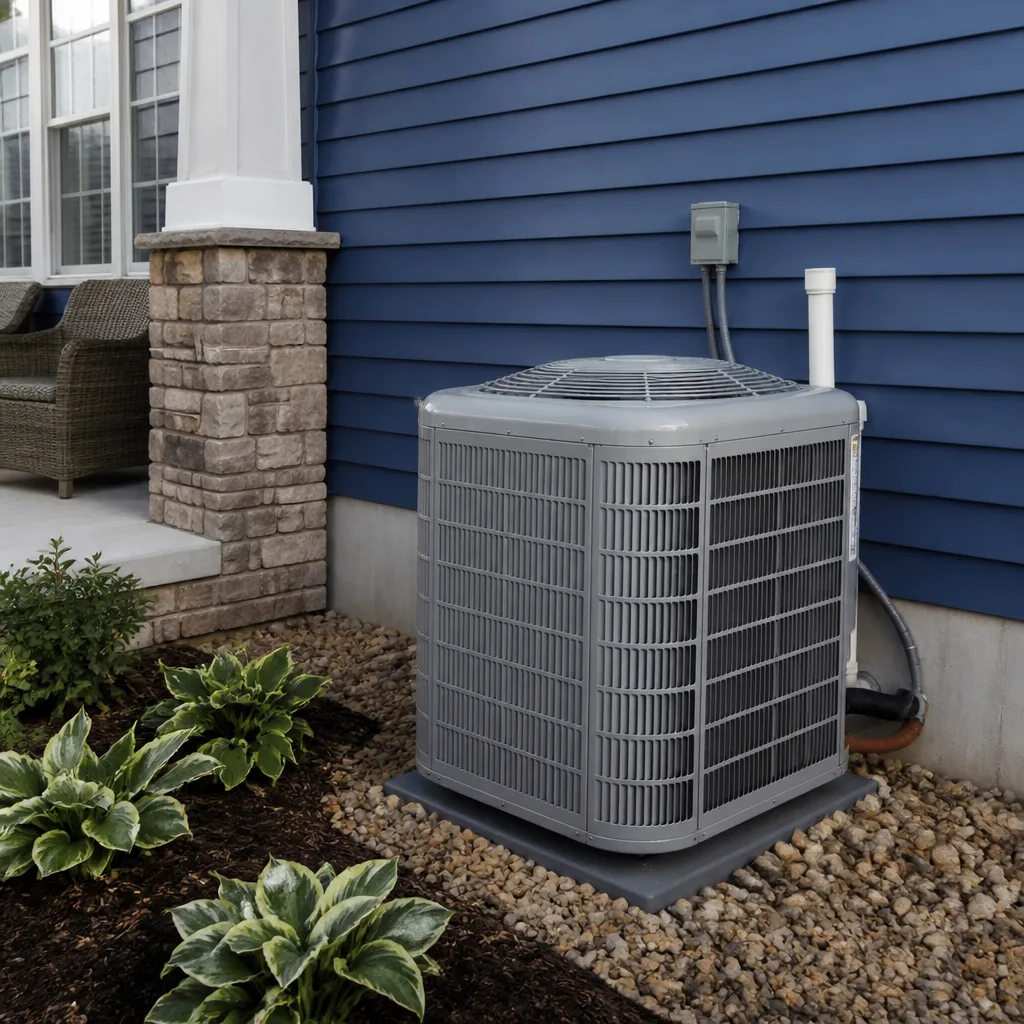 Carrier
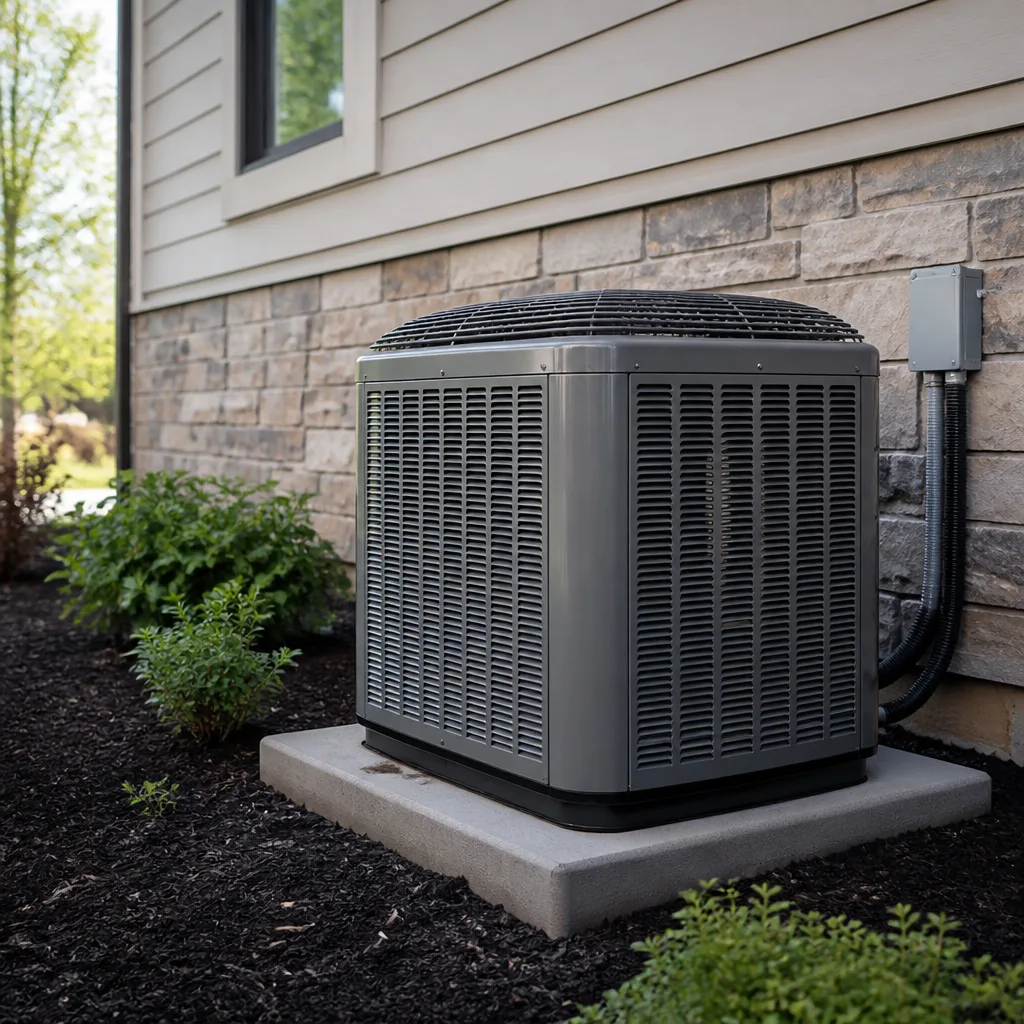 Trane
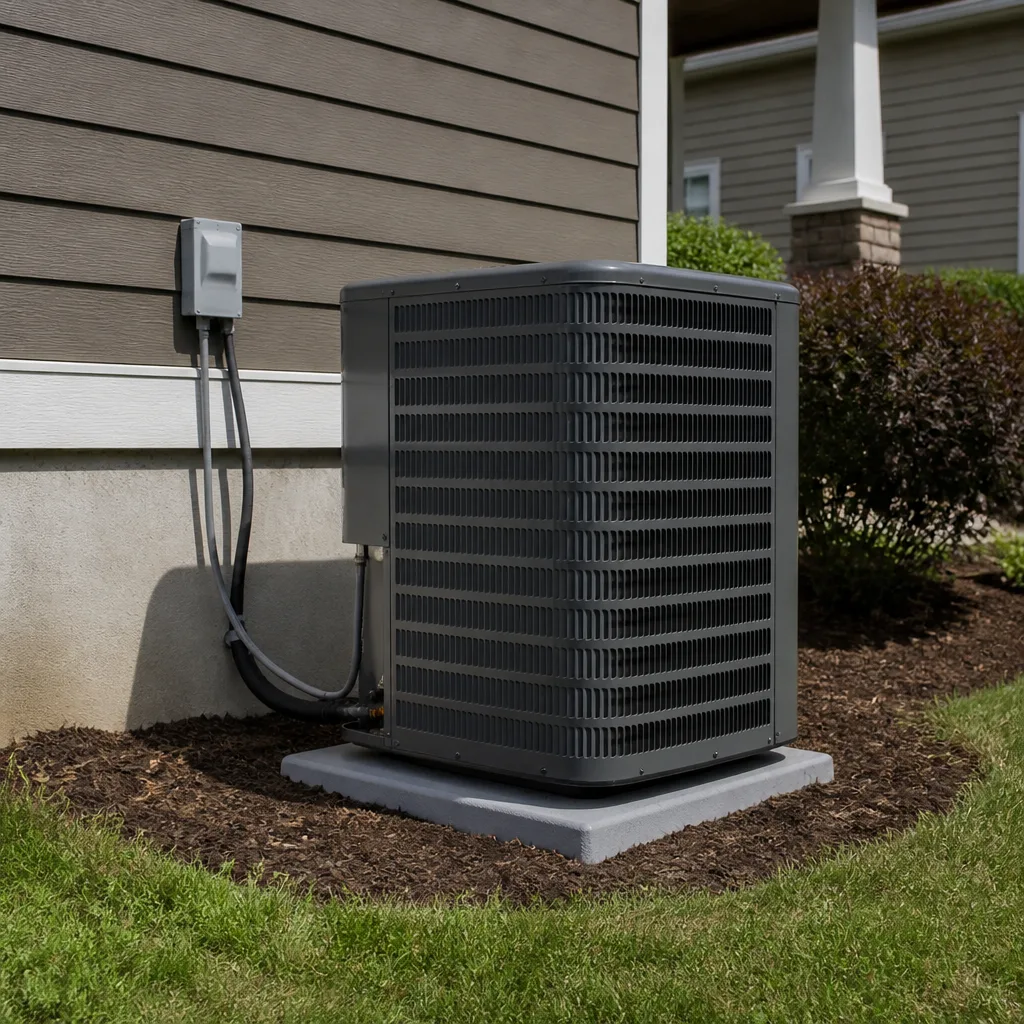 Goodman
Seasonal tune-up and full diagnostic on your Carrier, Trane, or Goodman system - readings shown to you before any repair is proposed
Diagnosis first, numbers second - you approve the repair price before a single part goes in.
Get your free estimateDIY vs Professional HVAC: The Winchester Homeowner’s Decision Guide
Most homeowners frame the DIY-versus-professional question around money. In Winchester, that’s the wrong axis. The real question is risk. A failed cooling system during a 115°F stretch isn’t an inconvenience you can shrug off until the weekend; it’s a real health risk, and a wrong repair can cost far more than the part you were trying to replace. This guide draws the line where it actually belongs: by technical complexity and safety, not by how handy you are. We’ll walk through what’s genuinely safe to handle yourself, what Nevada law reserves for licensed and certified professionals, and how to run a smart pre-call diagnostic that makes a technician’s visit faster rather than a DIY mess they have to untangle first.
Quick Answer
In Winchester, homeowners can safely change air filters, rinse condenser coils, and swap a thermostat. Anything involving refrigerant, the electrical panel, compressor diagnostics, or a system you aren’t sure about should go to a licensed professional. The dividing line isn’t confidence. It’s whether the task carries a genuine safety or legal risk in extreme desert heat, and whether the symptom you’re seeing could point to a much more expensive failure than the one you’re trying to fix.
Styles & brands we work with
- AC installation
- Furnace & heating
- Heat pumps
- Ductless mini splits
- Carrier
- Trane
- Goodman
Table of Contents
- Safe DIY Tasks vs. Work That Requires a Professional
- Why Desert Heat Changes the DIY Risk Calculation in Winchester
- The Legal Line in Nevada: Refrigerant and Licensing
- How to Do a Legitimate Pre-Call Diagnostic at Home
- When a Quick Fix Resets the Clock Without Solving the Problem
- Reading the Symptoms: What DIY-able and What Isn’t
- How to Decide, Task by Task
- Common Mistakes to Avoid
Safe DIY Tasks vs. Work That Requires a Professional
The cleanest way to approach this is to sort every common AC task into three buckets: genuinely do-it-yourself, proceed with caution, and call a professional. Here’s the honest breakdown we’d give any homeowner in Winchester who asks.
Free and clear for a careful homeowner
- Changing the air filter. The single highest-value thing you can do. In a dusty desert climate, filters load up faster than in greener parts of the country. Check monthly through the cooling season.
- Rinsing the outdoor condenser coil. A garden hose and a gentle spray on a powered-down unit clears dust and cottonwood fuzz. Don’t use a pressure washer and don’t bend the fins.
- Swapping a thermostat. If you’re replacing a standard thermostat with another standard thermostat on the same wiring, this is a manageable job for someone comfortable turning off the breaker and matching low-voltage wires one at a time.
- Clearing debris around the outdoor unit. Two feet of clearance lets the condenser shed heat the way it’s designed to. Blocked airflow is a surprisingly common cause of a struggling system.
Proceed with caution, or leave it alone
- Capacitors and contactors. The parts themselves are cheap, but the diagnosis is the whole game. The same symptom can point to a bad capacitor or a failing compressor. If you guess wrong, you’ve spent a little on a part and delayed the real repair by another season.
- Blower motor and fan motor work. Access is awkward, the wiring is a step up from a thermostat, and a mistake here can take out a control board.
- Anything inside the electrical panel. No. This is not a homeowner task, and we’ll explain why below.
Professional only
- Refrigerant testing, recovery, and recharge.
- Compressor diagnosis and replacement.
- Control board and wiring diagnostics.
- Any repair requiring a gauge manifold or refrigerant certification.
If you want a technician to look at something in Winchester, our AC repair page covers how a diagnostic visit works. But the rest of this guide is about knowing which bucket a given task falls into before you pick up a screwdriver.
Why Desert Heat Changes the DIY Risk Calculation in Winchester
Here’s something a homeowner moving from a milder climate often misses: the same repair task carries more risk in Winchester than it would in a place where the summer tops out at 85°F. Heat stress changes the failure modes.
When the outdoor temperature pushes past 110°F, an air conditioning system runs near its design limit for hours at a time. Every component inside that condensing unit is working harder than it would in a cooler market. Capacitors and contactors, the two parts most often implicated in “it just stopped cooling” calls, are also the parts most stressed by sustained heat. That matters for DIY because it makes visual diagnosis less reliable. A bulging capacitor looks obviously bad, but a capacitor with no visible damage can still be too weak to start the compressor on a 115°F afternoon while testing fine on a mild morning.
We’ve seen this pattern play out across Winchester neighborhoods. A homeowner tests a component on a cool morning, decides it’s fine, and then the unit fails on the first brutal afternoon. The part wasn’t the problem, or it wasn’t the only problem.
A few specific ways desert heat escalates the risk:
- Compressor stress. A compressor working against extreme heat and high head pressure can be on the edge of failure without any symptom a homeowner can observe.
- Electrical load. Higher current draw during peak heat makes a marginal connection or a worn contactor more likely to fail, sometimes with arcing and heat at the contacts.
- Dust and coil fouling. Dry, windy conditions pack dust into condenser coils faster than in humid climates, and a fouled coil pushes every other component harder.
- Attic and mechanical-closet heat. Air handlers in unconditioned attic spaces get genuinely hot in Winchester summer, which is hard on wiring and motors.
None of this means you can’t safely change a filter or hose off a coil. It means the margin for error on diagnostic work shrinks. When you’re not sure, the safe call is to hand it to someone who can test under load rather than guess from a visual inspection.
The Legal Line in Nevada: Refrigerant and Licensing
This is the part of the DIY conversation a lot of guides skip, and it’s a hard line rather than an opinion. Handling refrigerant is regulated at the federal level, and Nevada adds its own contractor licensing requirements on top. Practically, that means a homeowner cannot legally buy refrigerant, hook up a gauge set, and recharge their own system.
Here’s the practical version of what that federal rule means in a Winchester driveway:
- Refrigerant is not a homeowner product. Under the federal refrigerant rules, the sale and handling of regulated refrigerants is limited to certified technicians. You can’t walk into a parts house and buy a can of R-410A or R-32 to top off your system.
- Venting refrigerant is illegal. Even if you had access to the tools, releasing refrigerant into the atmosphere is prohibited. The technician recovers it into a recovery cylinder before any repair opens the sealed system.
- A system running low is telling you something. A low charge means refrigerant escaped somewhere. Recharging without finding and fixing the leak is a temporary patch that will fail again, and the diagnosis and repair fall to a certified technician by rule, not just by preference.
- Contractor licensing governs the installation work. Significant installation and modification work falls under Nevada contractor licensing. When you hire for AC installation, the professional you hire should be able to show you their license. That’s for your protection, not theirs.
- Warranty matters too. Manufacturer warranties on equipment often require installation and certain repairs by a licensed professional. A DIY repair that goes wrong can void coverage on a system you’re still paying for.
A common question we hear is whether a homeowner can add refrigerant “just for now” until they can afford a proper repair. The honest answer is no, and it isn’t a gray area. The technician who handles refrigerant for your system is certified to do it because mishandling it is both dangerous and illegal. If your system is low, the right move is to get it diagnosed properly the first time.
How to Do a Legitimate Pre-Call Diagnostic at Home
There’s a productive middle ground between “do it yourself” and “call immediately.” A little careful information-gathering before you call makes the technician’s visit faster and more accurate, and it doesn’t put you at risk. Here’s how we’d suggest a homeowner in Winchester approach it.
- Note what the system is doing, precisely. Not just “it’s not cooling.” Is the thermostat calling for cool and the indoor unit running but blowing warm? Is the outdoor unit completely silent? Is the outdoor fan spinning while the compressor hums? Each of these points a technician in a different direction.
- Check the air filter. A clogged filter is the most common cause of a system that runs but doesn’t cool, and it’s a five-second visual check. If it’s grey and packed, that alone can explain a lot.
- Look at the thermostat. Confirm the setting, the mode, and whether it’s actually calling for cool. Batteries die, schedules get scrambled, and “no cooling” sometimes turns out to be a thermostat that’s simply off or in the wrong mode.
- Check the breaker. If the outdoor unit is silent, a tripped breaker for the AC circuit is worth checking. If it trips again after you reset it, stop resetting it and call. A breaker that trips repeatedly is protecting you from a real fault.
- Clear the area around the outdoor unit. Pull back vegetation, clear obstructions, and note whether the coil is visibly caked with dust or debris.
- Note any sounds, smells, or moisture. Grinding, rattling, and humming that wasn’t there before are useful. A burning smell means turn the system off at the thermostat and call. Water around the indoor unit can indicate a clogged drain line.
What you should not do during a pre-call check is open the electrical panel, test capacitor terminals with a meter unless you’re genuinely trained and comfortable with stored high voltage, or attempt to open the refrigerant circuit. Capacitors hold a charge even after power is off, and an electrical panel is a genuine shock hazard. Gathering symptoms is helpful. Poking at energized or stored-charge components isn’t a diagnostic, it’s a risk.
When a Quick Fix Resets the Clock Without Solving the Problem
The most expensive DIY repair is the one that appears to work. Here’s what we mean.
Say the system stops cooling, and a homeowner replaces a part based on the symptom. The system comes back on. Everything seems fine. The call is cancelled. But what actually happened is the underlying problem was masked, and the system is now running in a state that will wear out a more expensive component. Next season, or two weeks into the next heat wave, the real failure shows up, and the repair bill is much larger than it would have been.
A few ways to recognize you’re in a “reset the clock” situation:
- The system comes back but colder than you’d expect, then weakens again. Often a sign of a refrigerant charge issue rather than a resolved fix.
- You’re on your second or third part swap for the same problem. If the same symptom keeps returning after different repairs, the diagnosis is wrong, not the parts.
- The breaker trips again after a reset. Never a good sign. Repeated tripping is a fault that a breaker is protecting against, not a nuisance to override.
- It “works for now” but makes a new noise. New sounds after a repair usually mean the repair is incomplete or addressed the wrong thing.
- You replaced a part on a guess. If you can’t articulate why that part was the cause, the fix probably wasn’t one.
At that point, the smartest money is on a proper diagnostic, not another part. A technician with the right gauges and meters can test the system under actual load, which is the only condition that matters in Winchester summer. That’s exactly where our Winchester AC Repair team earns its keep: we work on the specific brands that fill Winchester homes, so we’re not starting from scratch when we open a Trane, a Lennox, a Goodman, or a Rheem unit. We know the common failure patterns for each.
Reading the Symptoms: What’s DIY-able and What Isn’t
Symptoms are usually a better guide to the DIY decision than any task list. Below is how we’d sort the most common calls a Winchester homeowner makes about their cooling.
Symptoms that often have a safe homeowner fix
- System runs but blows warm, airflow feels weak. Usually the filter or a blocked coil. Check the filter first, then look at the outdoor unit for debris.
- Thermostat won’t respond. Check batteries and mode first. A simple thermostat swap on existing wiring is doable for someone careful.
- Outdoor unit noisy with visible dust on the coil. A careful rinse on a powered-down unit is safe and worthwhile.
Symptoms that need a professional, period
- Outdoor unit completely silent while the indoor fan runs. Could be a tripped breaker, a failed capacitor, a bad contactor, or a failed compressor. The safe way to tell them apart is a technician’s meter, not a visual guess.
- Ice on the indoor coil or refrigerant lines. This usually points to low refrigerant or restricted airflow. On the refrigerant side, it’s a certified professional’s job by law.
- Burning smell or smell of hot plastic. Turn the system off and call. This is a fire-safety concern.
- Breaker trips repeatedly. Do not keep resetting it. Get it diagnosed.
- Water leaking around the air handler. Could be a clogged drain line, but persistent water can point to a frozen coil or a larger issue.
- Any repair requiring an electrical panel or refrigerant work. Not DIY. Ever.
If you’re in the second list and want a straight answer about what’s actually wrong, call us and we’ll take a look. We answer 24/7. Fast dispatch from 7am to 7pm, Sunday through Friday. It’s worth knowing that our response time is what it is because we’re focused entirely on cooling. We’re not splitting attention between AC work and plumbing or electrical calls, which is one reason a diagnosis gets done faster.
How to Decide, Task by Task
When you’re standing in front of your system trying to decide whether to tackle something, run it through this sequence. It takes about two minutes and saves a lot of regret.
- Does the task involve refrigerant, a gauge set, or opening the sealed system? If yes, it’s a certified professional’s job by federal rule. Stop here.
- Does the task involve opening the electrical panel or touching wiring inside the outdoor unit or air handler beyond a thermostat? If yes, call a professional. The shock risk isn’t worth it, and stored charge in capacitors makes even a powered-down unit unsafe to probe without training.
- Is the symptom ambiguous? If you can’t confidently explain why a specific part is the cause, a part swap is a guess. Have it diagnosed instead.
- Is it a maintenance task? Filter, coil rinse, and clearance are yours. These are also the tasks most likely to prevent a failure in the first place.
- Is it the first time this symptom has appeared, and is it small and low-risk? Filter and thermostat fall here. Try the safe fixes, then call if the symptom persists.
- Is it a repair or installation? These go to a professional. Our team handles all three stages of the lifecycle, from repair through installation and ongoing maintenance, so there’s no handoff between contractors when a small fix turns into a bigger job.
Maintenance deserves its own note. The Winchester climate is unforgiving on cooling equipment, and the biggest cost saver in the long run isn’t a DIY fix. It’s catching problems before they become failures. Regular maintenance is what moves a homeowner from reactive repairs to a system that’s less likely to fail in the middle of a heat wave.
A few more things we’d suggest checking before you decide, particularly in Winchester neighborhoods where homes can be older or where additions have been added over the years:
- Is the outdoor unit the right size for the house? An undersized unit runs constantly, which accelerates wear. A professional load calculation is the only reliable answer.
- Is the return-air path restricted? A system struggling for airflow won’t cool properly no matter how many parts you replace.
- How old is the equipment? Once a system is well into its second decade, individual repairs start to make less financial sense compared to replacement. That’s a conversation to have with a specialist, not to guess at.
Common Mistakes to Avoid
- Guessing at a part instead of diagnosing the symptom. In Winchester heat, a system that looks like a bad capacitor might be a failing compressor. A part swap that seems to work can mask the real problem for weeks.
- Resetting a breaker that keeps tripping. A breaker that trips again is doing its job. Repeated resets can cause damage or a fire hazard in the panel. Call a professional.
- Rinsing the condenser coil with a pressure washer. High pressure bends the fins and drives debris deeper into the coil. A garden hose and a gentle spray is what the coil needs.
- Changing the filter only once a year. In a dusty desert climate, filters load up far faster than that. Check monthly in summer and replace when it’s visibly dirty.
- Adding refrigerant on your own (or asking a neighbor to). This is illegal under federal rules, and even if it weren’t, topping off a system that’s low on charge without finding the leak just pushes the problem down the road.
- Ignoring new noises after a repair. If the system sounds different after a fix, the fix likely wasn’t complete. Get it checked before the small problem becomes a large one.
- Blocking the outdoor unit with landscaping or storage. The condenser needs clearance to shed heat. In extreme heat, airflow problems compound quickly.
See the difference
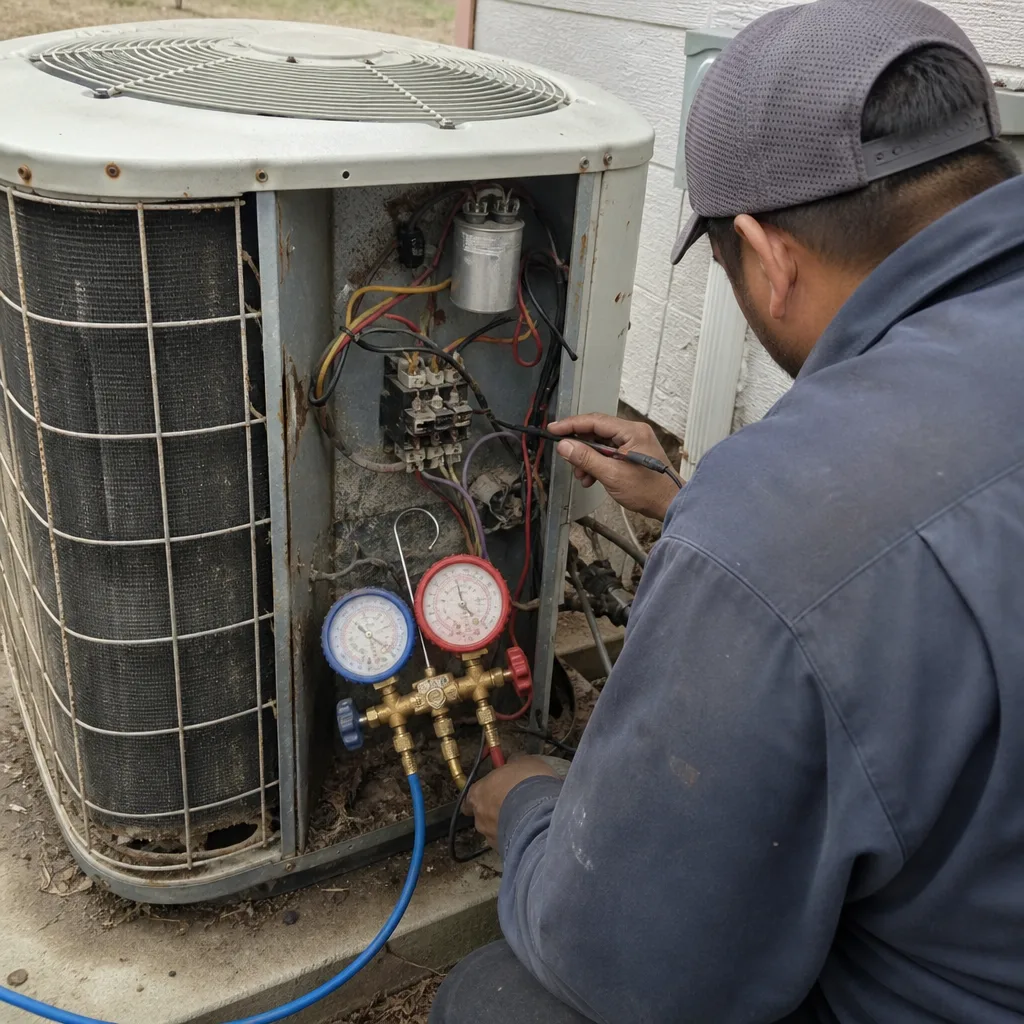 Before
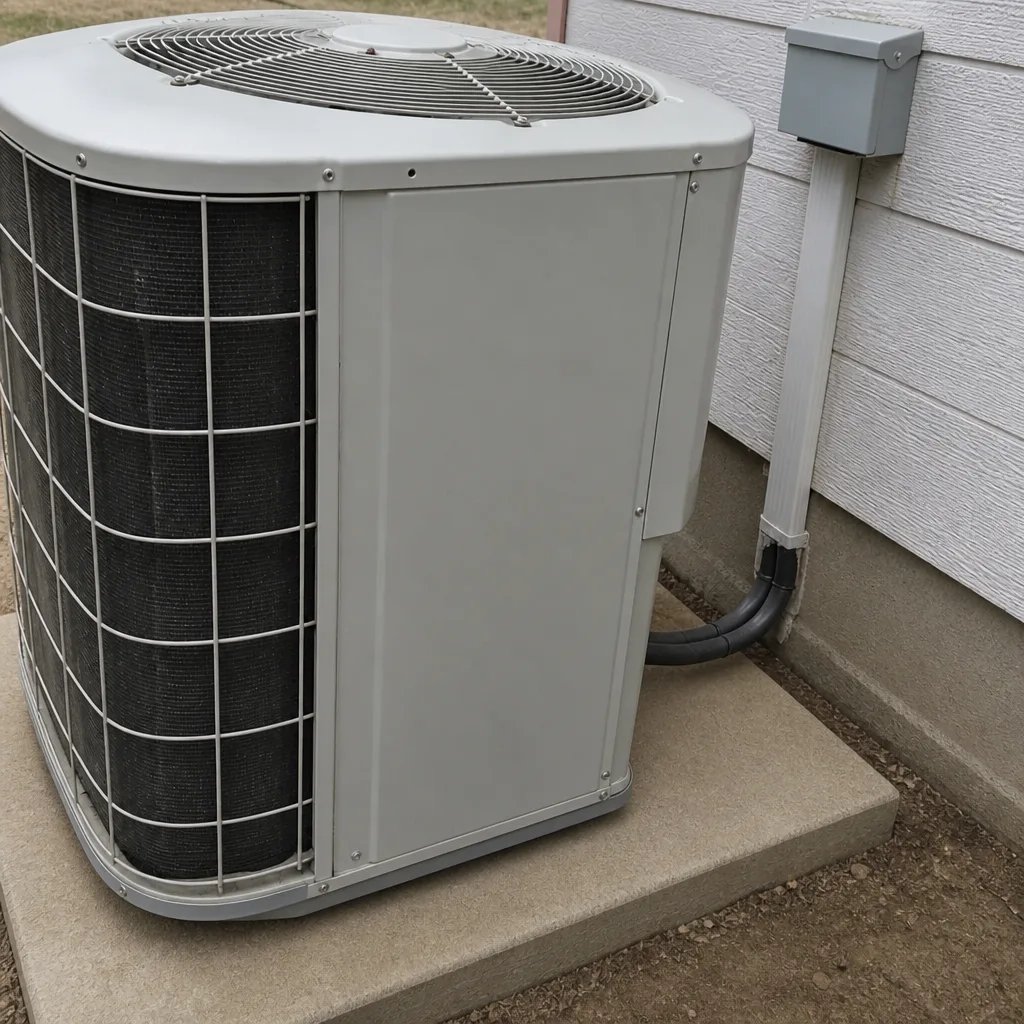 After
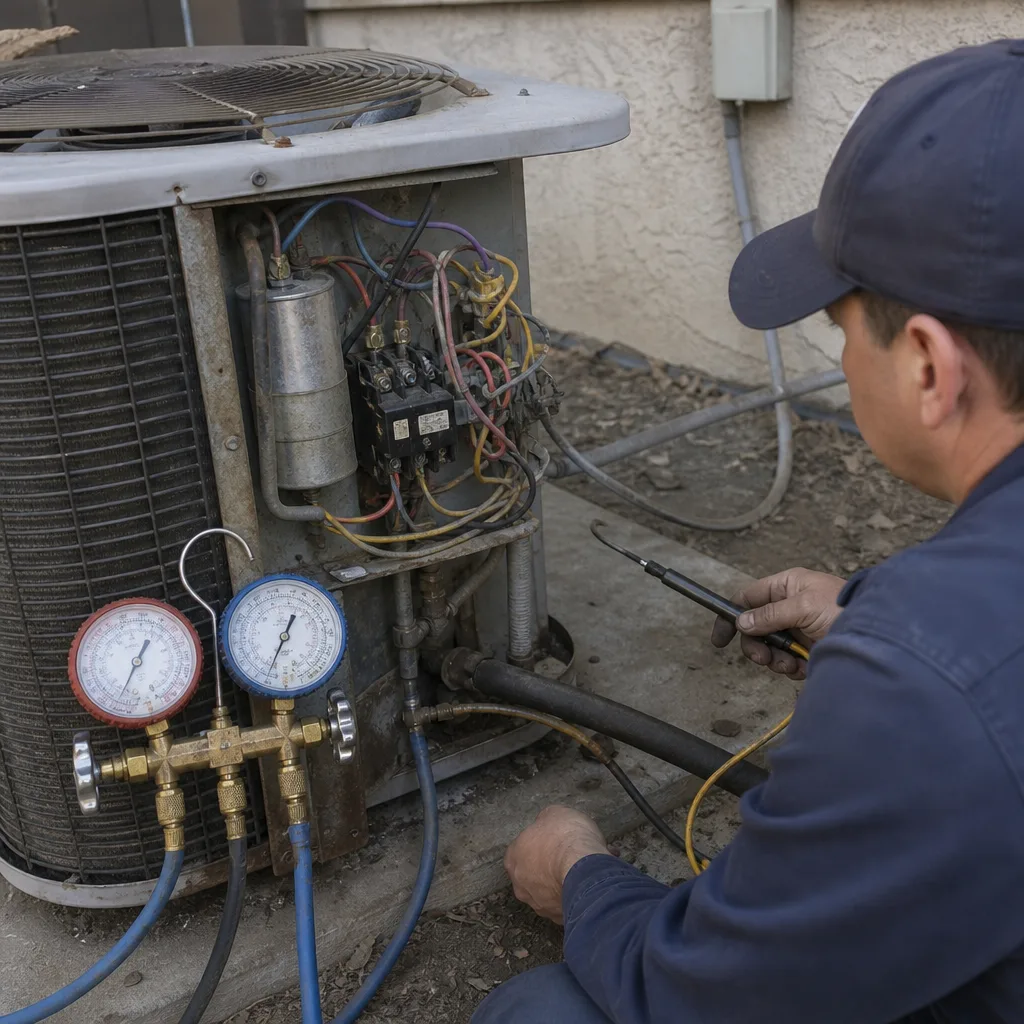 Before
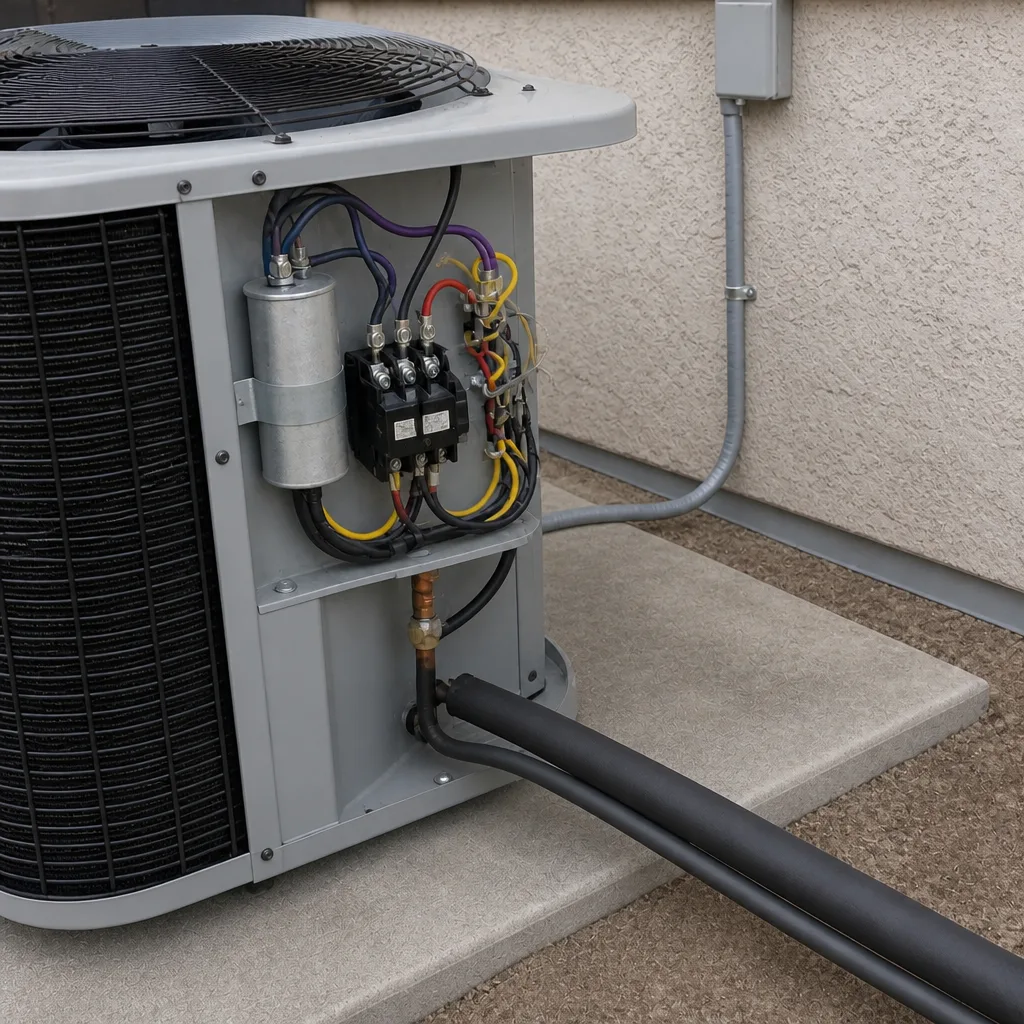 After
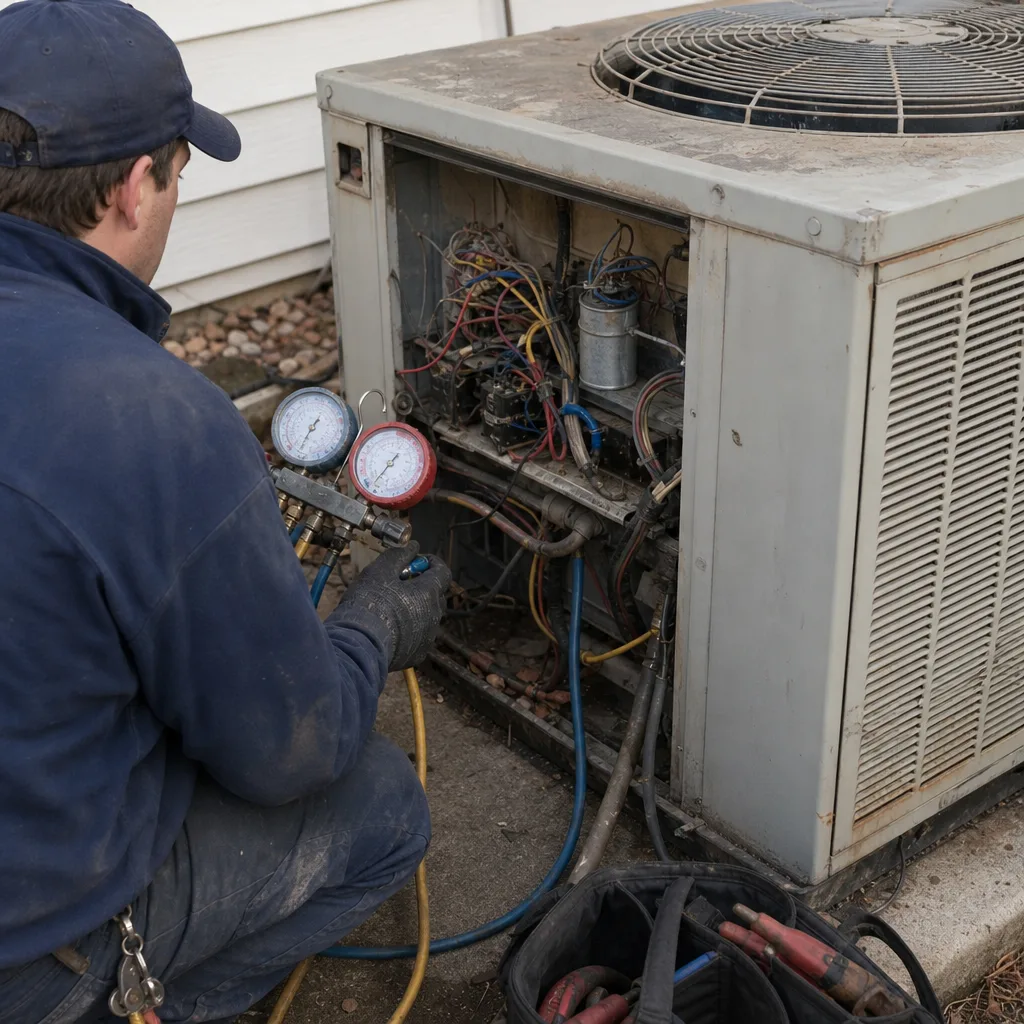 Before
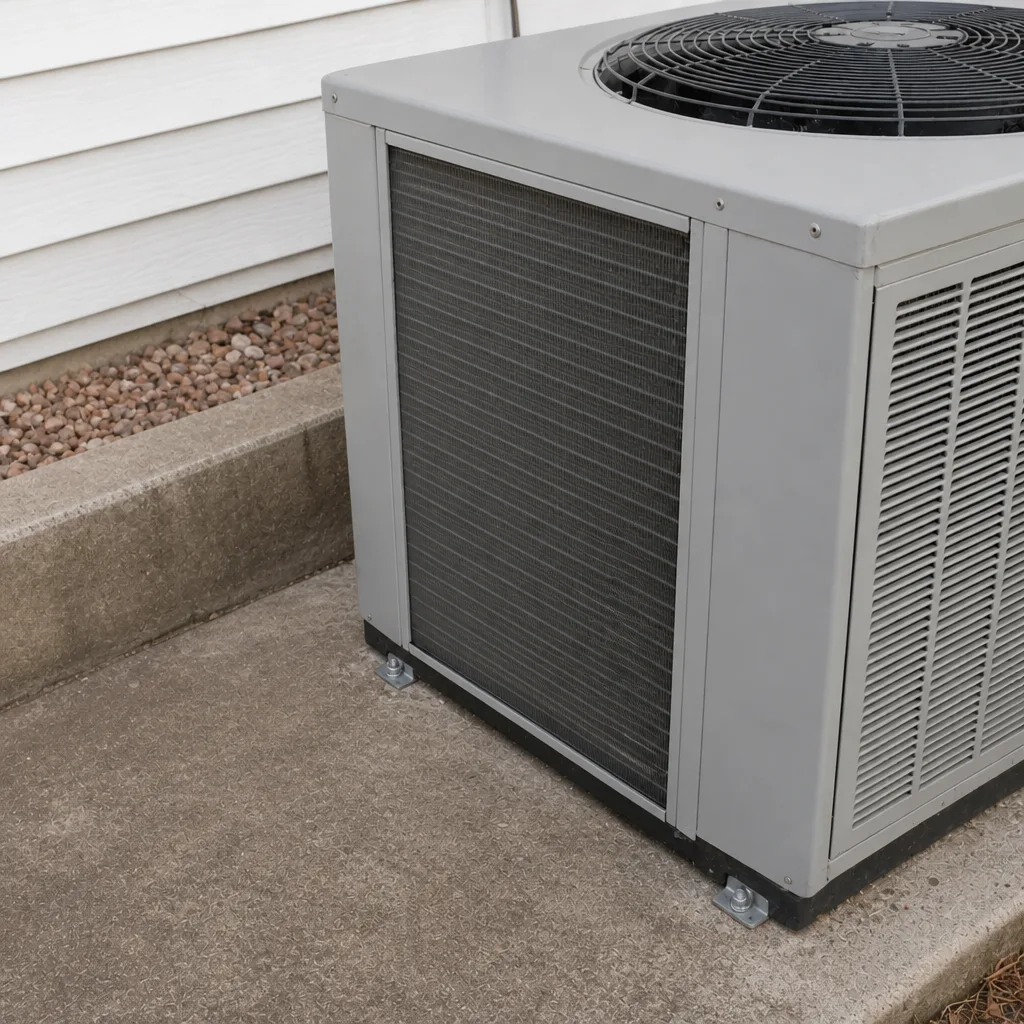 After
When to Call a Professional
Call a professional if the problem involves refrigerant, the electrical panel, any component inside the outdoor unit or air handler beyond a filter, or any symptom you can’t confidently attribute to a single cause. Call immediately if there’s a burning smell, repeated breaker tripping, or water leaking from the air handler. Call if you’ve already replaced a part and the symptom returned, or if the system is old enough that repair versus replacement deserves a real evaluation. Winchester AC Repair offers free estimates in Winchester. Call (888) 335-7951. We answer 24/7, with fast dispatch from 7am to 7pm, Sunday through Friday. Our technicians have up to 13 years of experience and are trained on nine of the most widely installed brands, so there’s a good chance we’ve worked on your exact equipment before. A written estimate sets the final price.
Frequently Asked Questions
No. Federal refrigerant rules limit the sale and handling of regulated refrigerants to certified technicians, and releasing refrigerant into the air is prohibited. If your system is low, a certified professional needs to recover, evacuate, and recharge it properly, and ideally find the leak that caused the low charge in the first place. Call (888) 335-7951 to schedule a diagnostic, with free estimates.
The part is cheap and the replacement looks simple, but the diagnosis behind it isn’t. In Winchester heat, the same “won’t start” symptom can indicate a bad capacitor or a failing compressor, and a capacitor holds a dangerous charge even when the unit is off. Unless you’re trained to test capacitors safely and diagnose under load, this is a professional’s job. A technician with the right meters can confirm the actual cause in one visit.
Check the filter monthly during cooling season and replace it whenever it’s visibly dirty, which in Winchester’s dusty climate often means roughly every 30 to 90 days depending on the filter and how much the system runs. High-MERV filters load faster than basic ones. A clogged filter is one of the most common causes of weak cooling, and it’s a fixed cost you can manage yourself.
That pattern is a classic sign of a marginal component being pushed past its limit by heat and load. A weak capacitor or worn contactor can test fine in mild morning conditions and fail as the afternoon temperature climbs and the system runs at peak demand. A technician can test under real load, which is the only reliable way to catch it. Don’t wait for a full failure during a heat wave; get it diagnosed now.
Start with the safe checks: filter, thermostat settings and batteries, breaker, and clearing debris around the outdoor unit. If the problem persists, don’t start swapping parts. Repeated breaker trips, a silent outdoor unit, ice on the coil, or a burning smell all mean it’s time to call a professional. We answer 24/7, with fast dispatch from 7am to 7pm, Sunday through Friday, and estimates are free.
For cooling work, yes, it usually is. A specialist sees cooling systems all day and builds pattern recognition across brands. Our team works on Carrier, Trane, Lennox, Goodman, Rheem, York, Daikin, Bryant, and American Standard equipment, so we don’t spend your diagnostic hour learning your brand. Call (888) 335-7951 for a free estimate.
The Bottom Line
In Winchester, the DIY decision comes down to risk, not cost. The safe DIY tasks are real and worth doing: filter changes, coil rinses, thermostat swaps, and clearing the outdoor unit. They prevent more failures than most homeowners realize. Everything involving refrigerant, the electrical panel, or a symptom you can’t confidently diagnose belongs to a licensed professional, both for the safety reason and because Nevada and federal rules say so. The most expensive mistake isn’t a DIY repair that fails; it’s a DIY repair that seems to work and hides a bigger problem. When in doubt, get it diagnosed under load rather than guessed at.
If you’d like a straight answer about what’s going on with your system, call (888) 335-7951 for a free estimate. We answer 24/7, with fast dispatch from 7am to 7pm, Sunday through Friday. Our team works on your equipment across repair, installation, and maintenance, and the written estimate sets the final price.
Written by the team at Winchester AC Repair.