
Last updated November 18, 2026
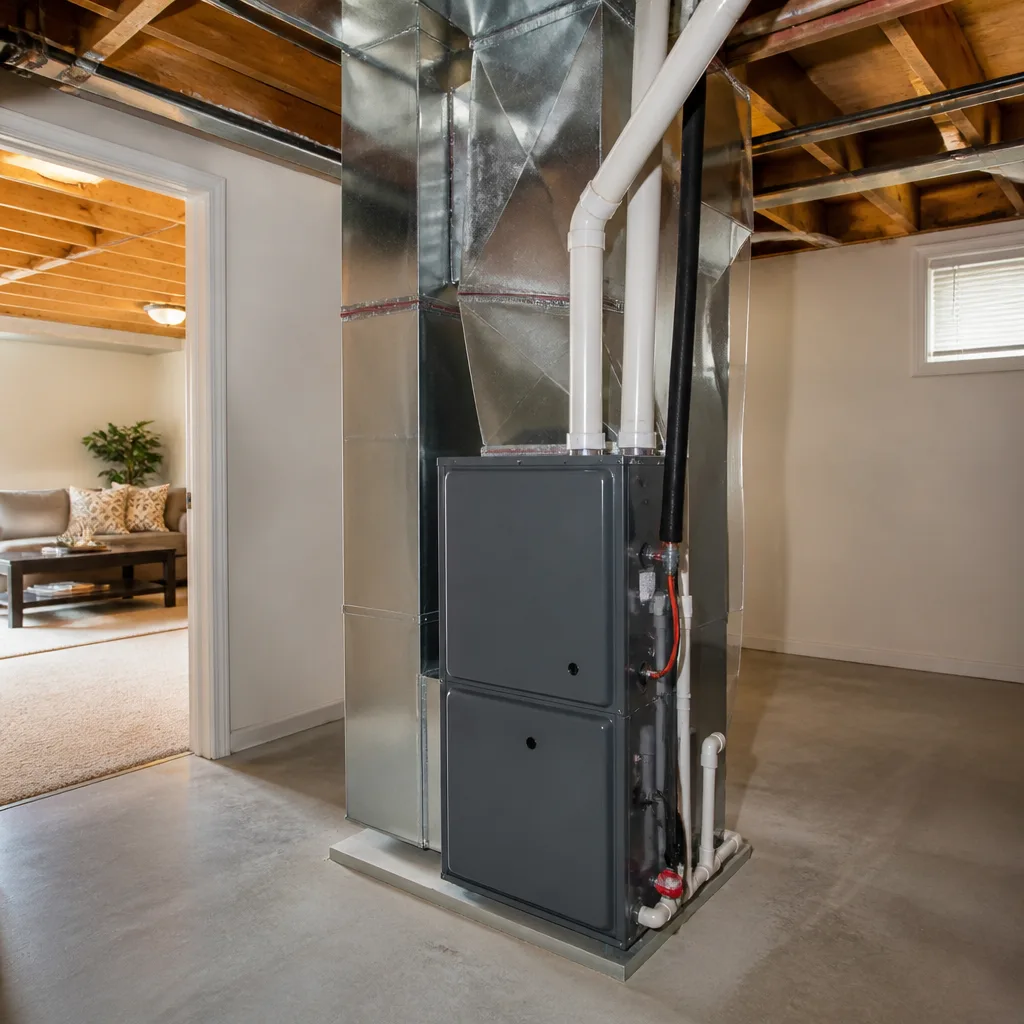 Furnace & heating
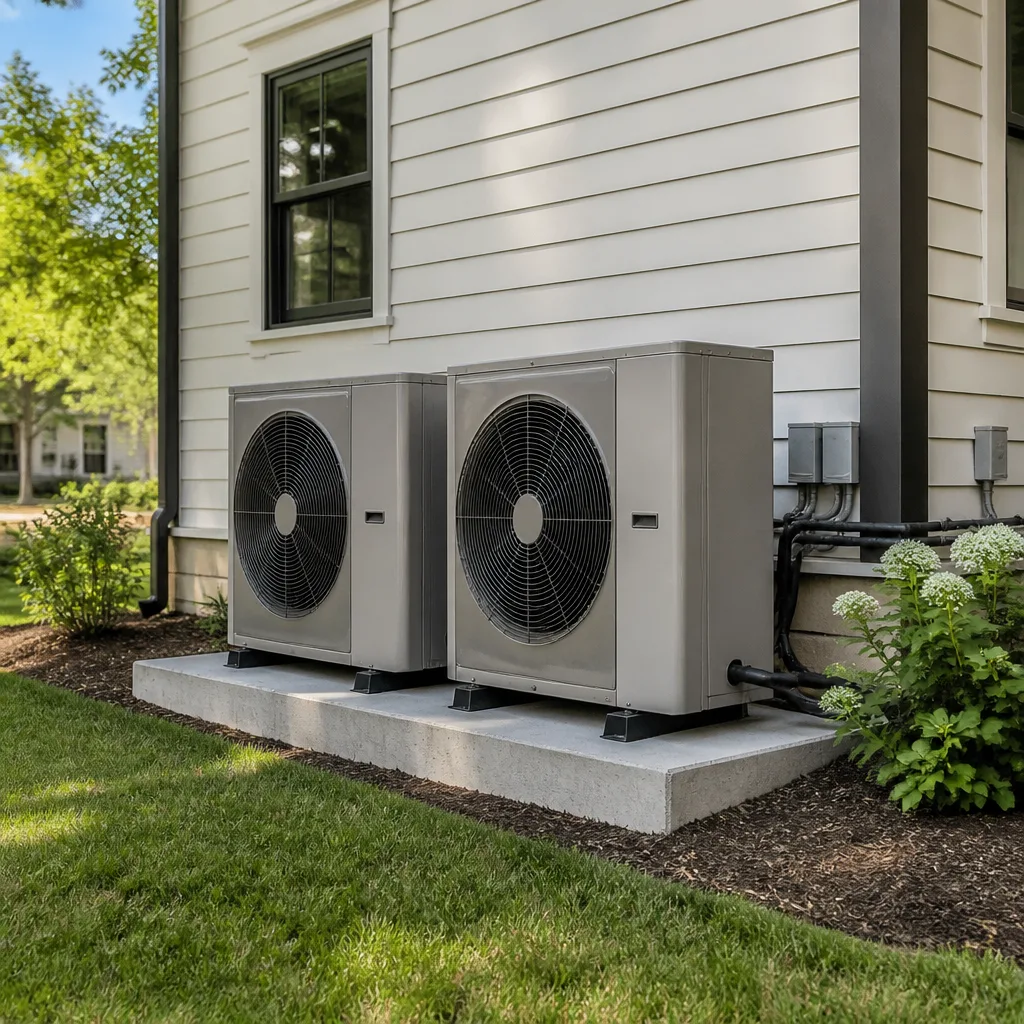 Heat pumps
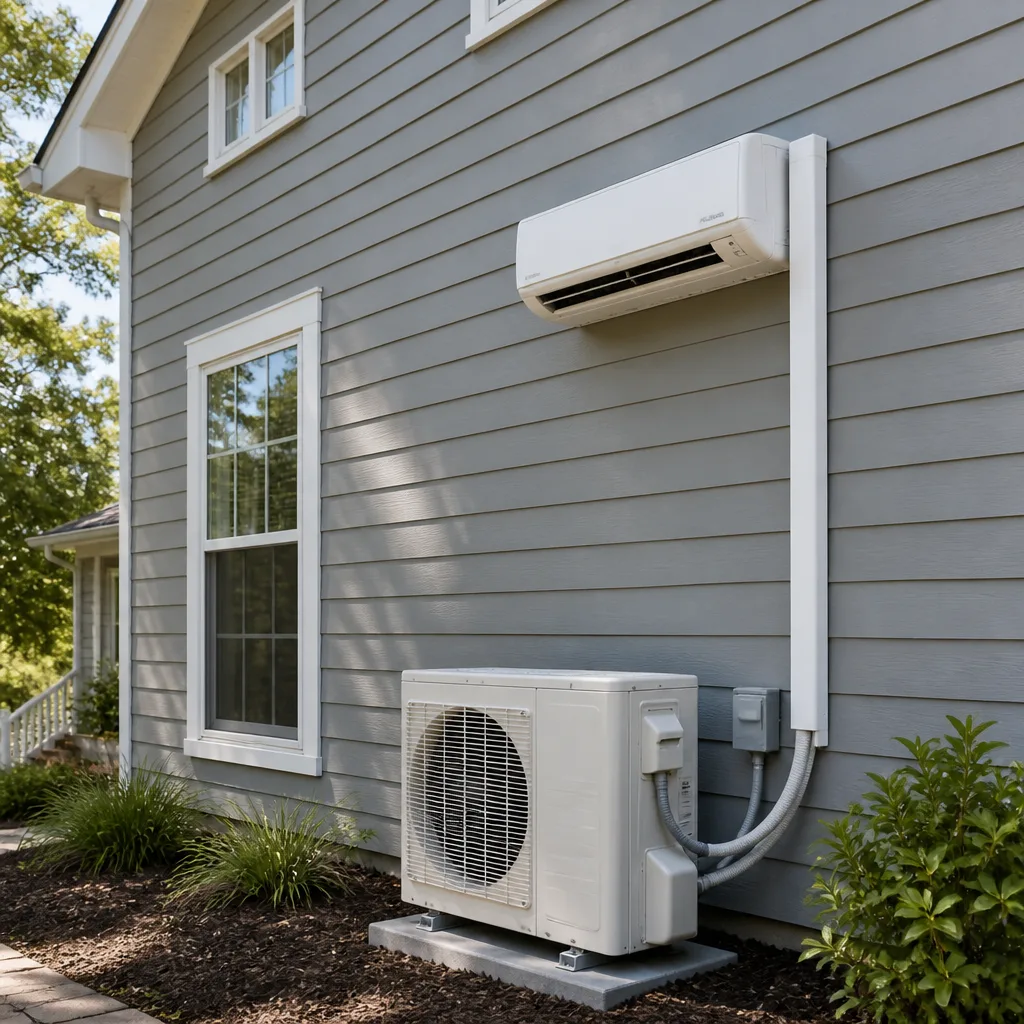 Ductless mini splits
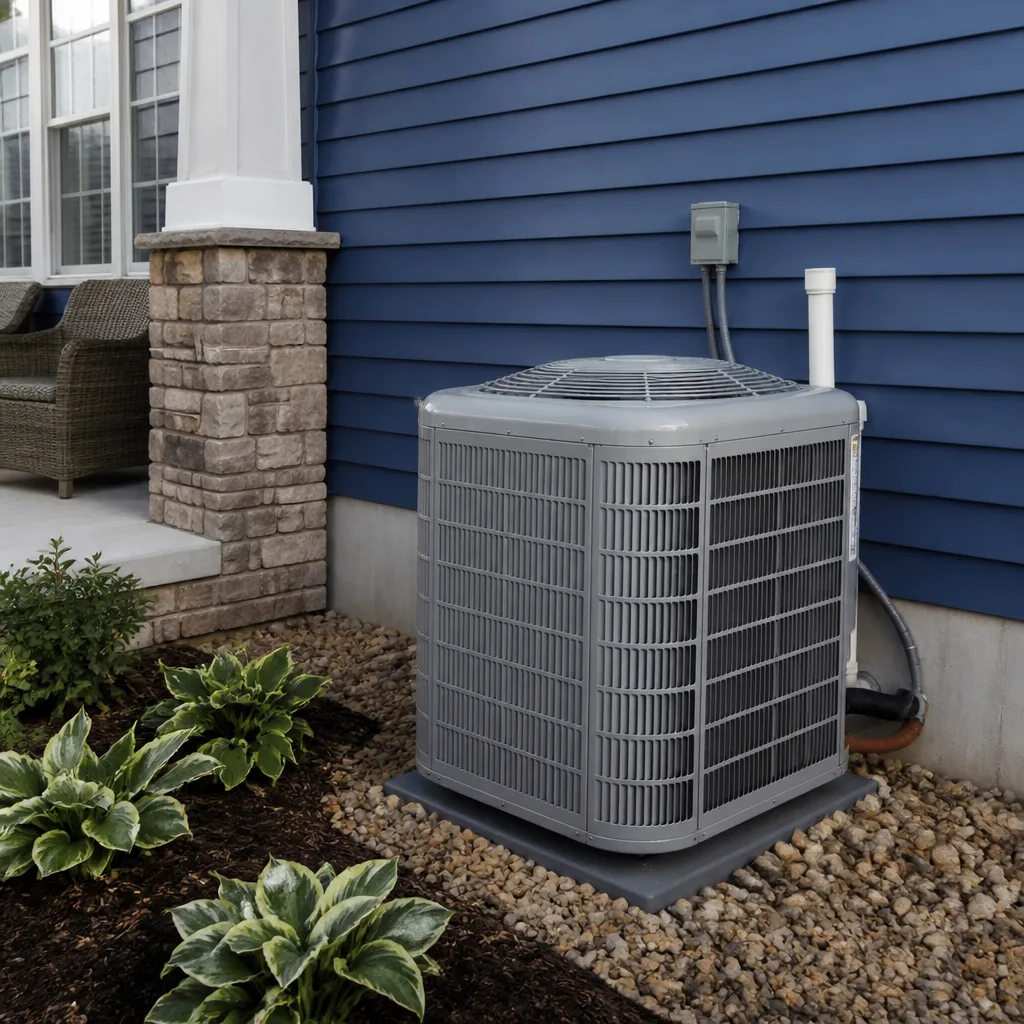 Carrier
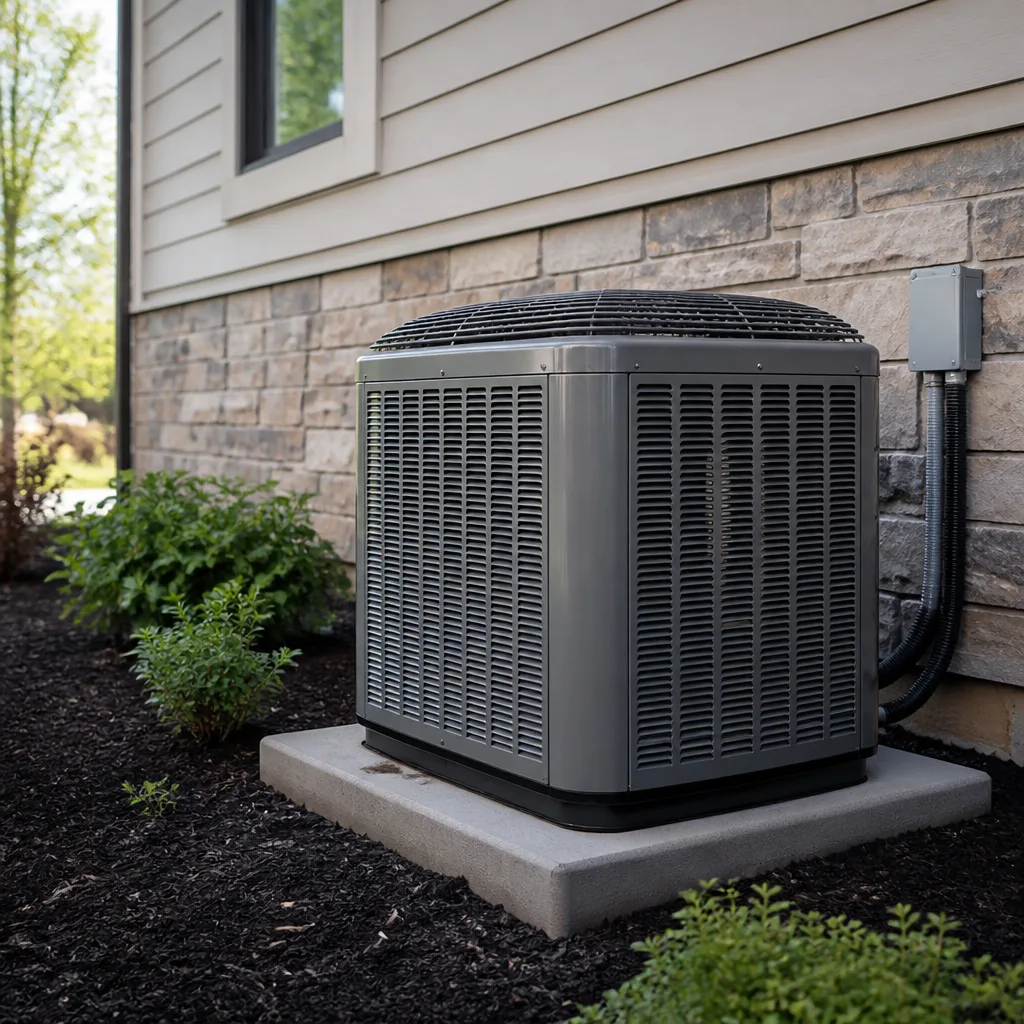 Trane
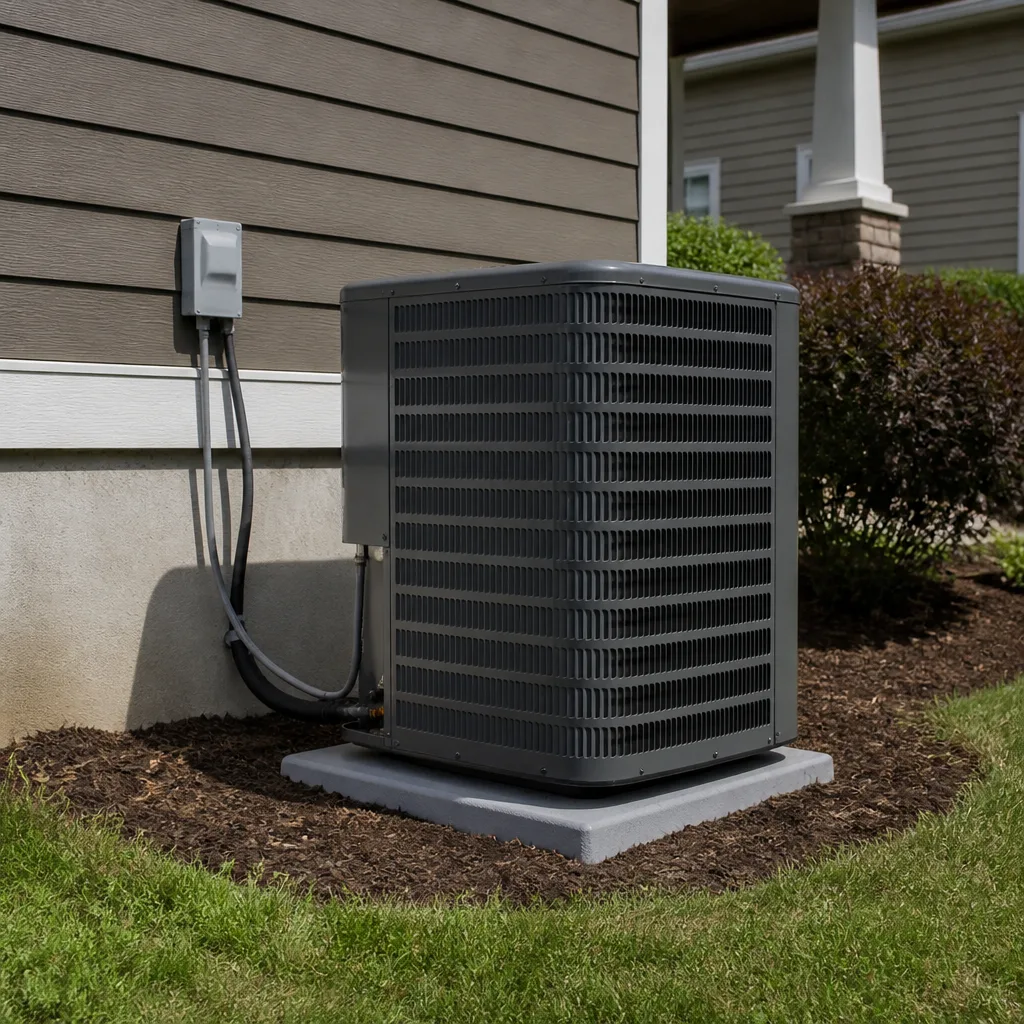 Goodman
Seasonal tune-up and full diagnostic on your Carrier, Trane, or Goodman system - readings shown to you before any repair is proposed
Diagnosis first, numbers second - you approve the repair price before a single part goes in.
Get your free estimateSeasonal HVAC Care for Winchester: Year-Round Homeowner’s Guide
Most seasonal HVAC guides are written for places with mild summers and long shoulder seasons. Winchester doesn’t work that way. Our year splits into four distinct phases that put real stress on cooling equipment, and the so-called “off-season” is really a short recovery window between one summer and the next. Skip that window and you’ll pay for it in July.
The common misconception is that AC care starts in spring. In Winchester, the most valuable maintenance happens in the fall, right after the peak ends, when coils are loaded with dust and the system has just finished its hardest work of the year. What you do between October and April largely determines whether the unit makes it through the following peak without a breakdown.
This guide walks through all four phases, the tasks that matter in each one, in-season monitoring habits that catch a developing failure early, and how to build a simple home log that gives you a year-over-year baseline. By the end you’ll have a working calendar you can actually follow, not a generic list.
Quick Answer
Year-round AC care in Winchester means cleaning coils in October and November after peak demand ends, watching refrigerant behavior and heating-mode operation through the short winter, completing pre-season tasks before temperatures cross 90°F in March and April, and monitoring performance through the long summer so a small problem doesn’t become a no-cooling emergency. A simple written log of energy use and system behavior gives you a baseline that makes decline visible years before failure. Most of this work falls into a handful of scheduled maintenance visits a year.
Styles & brands we work with
- AC installation
- Furnace & heating
- Heat pumps
- Ductless mini splits
- Carrier
- Trane
- Goodman
Table of Contents
- Phase 1 (October – November): The Post-Season Window
- Phase 2 (December – February): Heating Mode on a Cooling System
- Phase 3 (March – April): The Pre-Season Window Most Homeowners Waste
- Phase 4 (May – September): In-Season Monitoring Habits
- How to Build a Home Log That Works
- Common Mistakes to Avoid
- When to Call a Professional
- Frequently Asked Questions
Phase 1 (October – November): The Post-Season Window
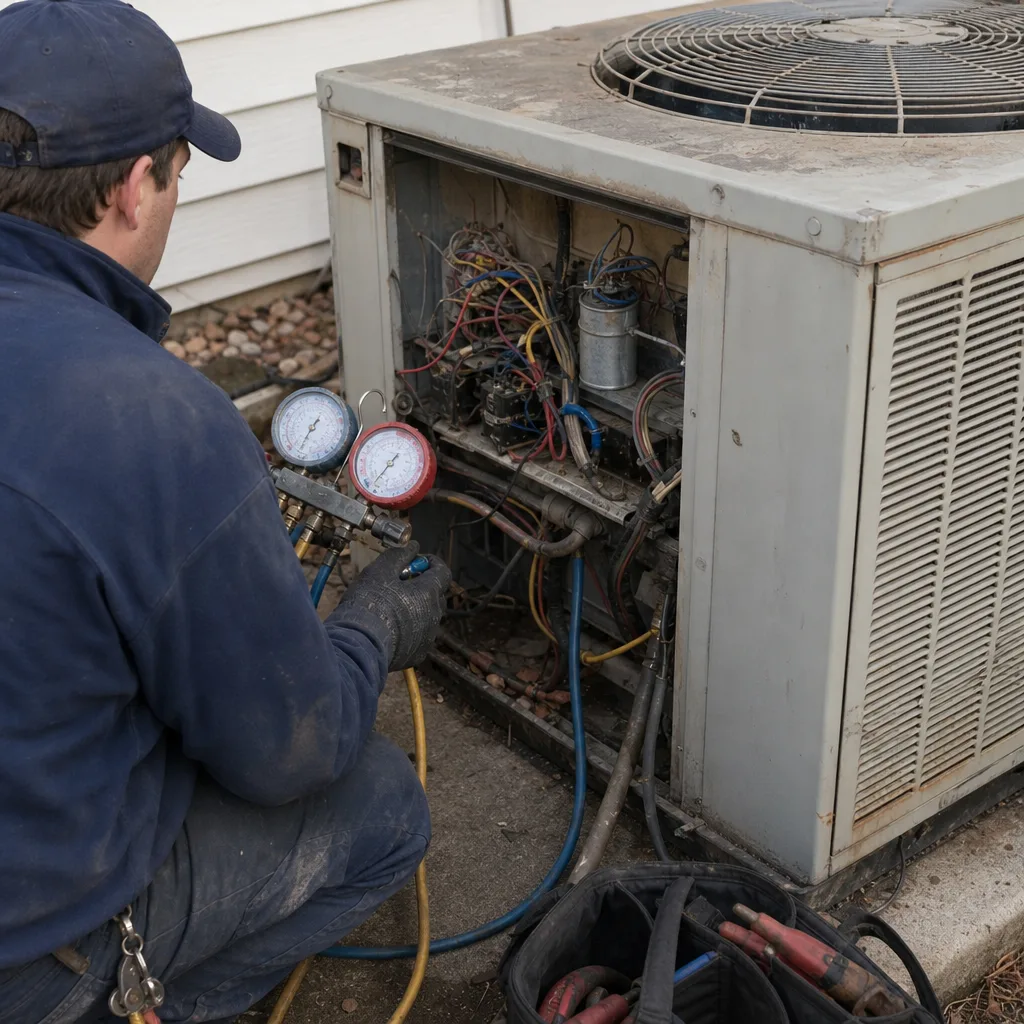
Here’s the part most guides get backwards. Coil cleaning is critical after summer, not just before it. Through a Winchester summer, the outdoor condenser coil pulls in everything the valley air carries – dust, pollen, fine grit off the desert floor – and it packs that material into the fins hour after hour. By October the coil is carrying months of accumulated debris. If it sits there through winter, that layer traps moisture, accelerates corrosion on the fins, and reduces the coil’s ability to shed heat the following June.
Post-season work in Winchester should cover:
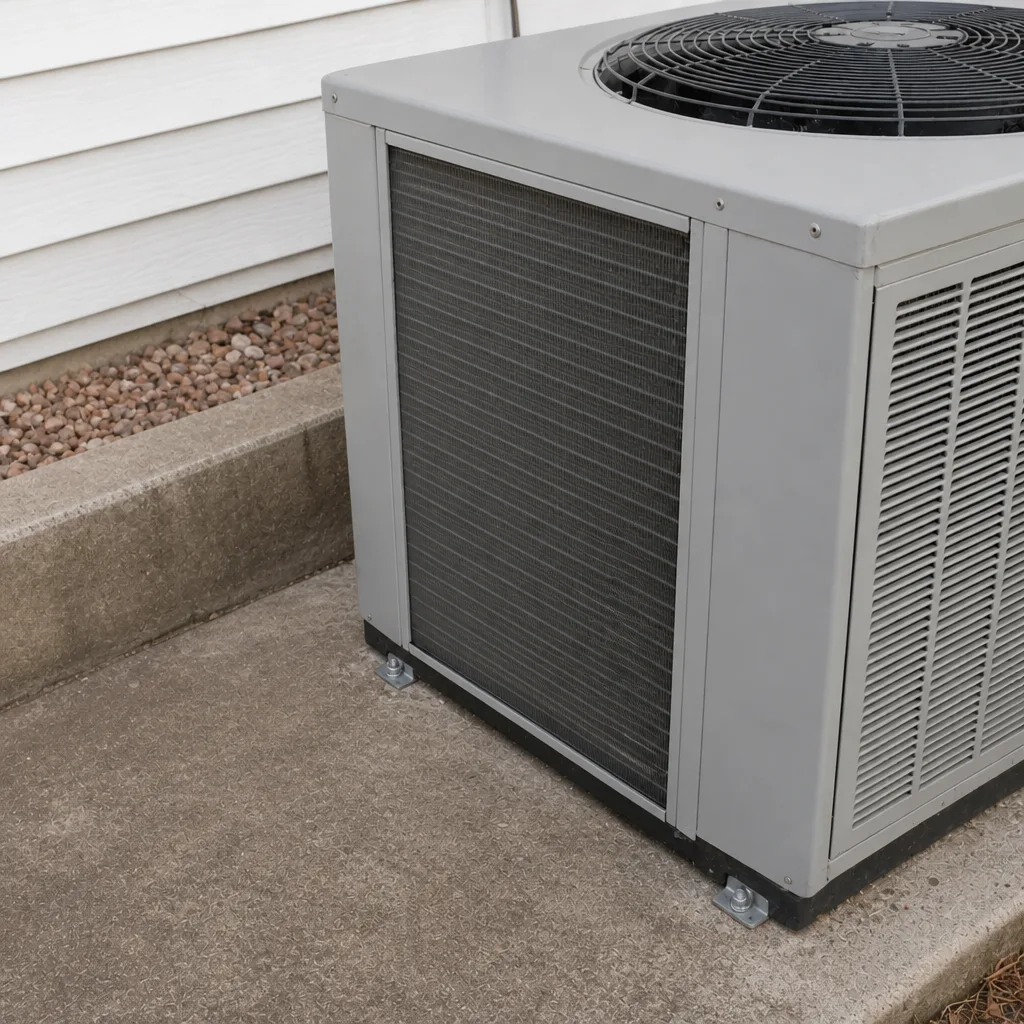
- Condenser coil cleaning. Rinse and clear the fins so the coil starts the next season clean, not loaded.
- Drain line clearing. Condensate lines clog through the cooling season. Clear them now, before standing water sits in the system for months.
- Blower and filter check. Pull the filter, look at the blower wheel, and note anything unusual in your log.
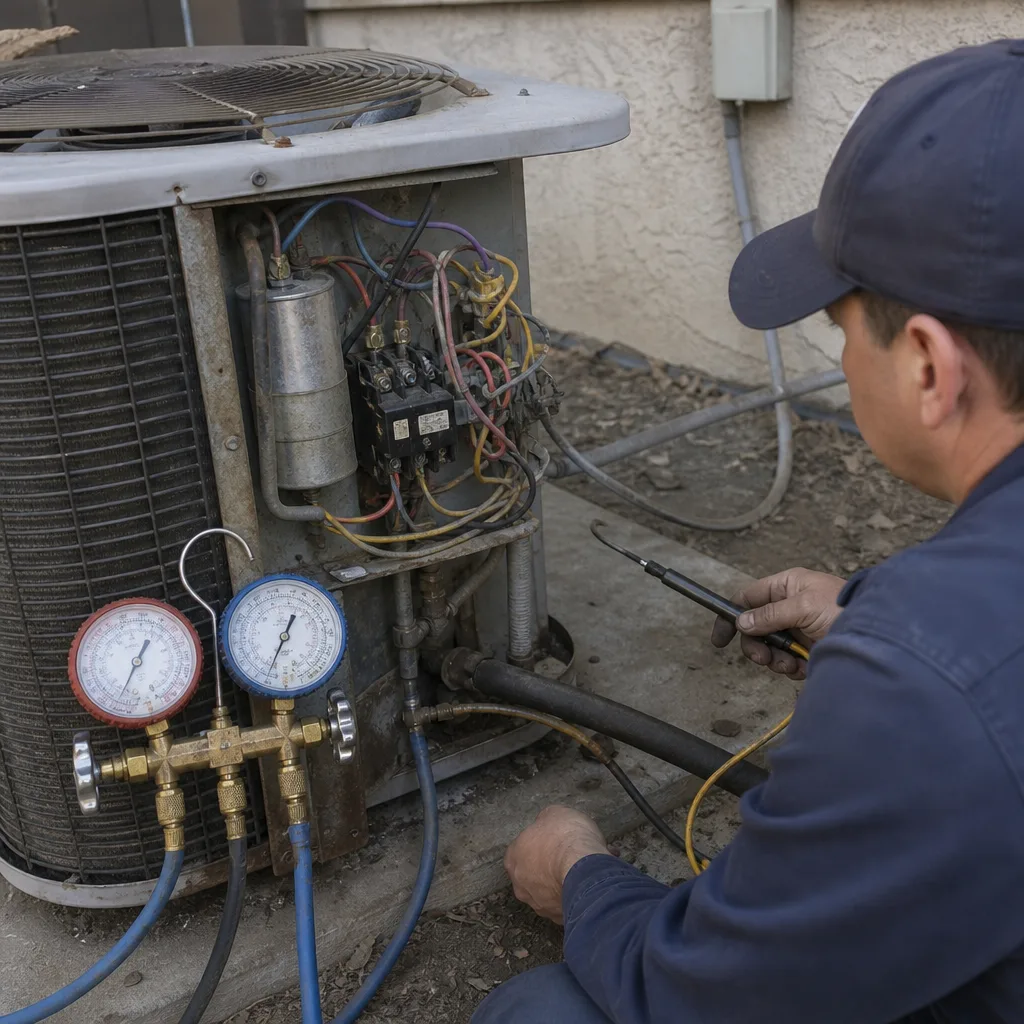
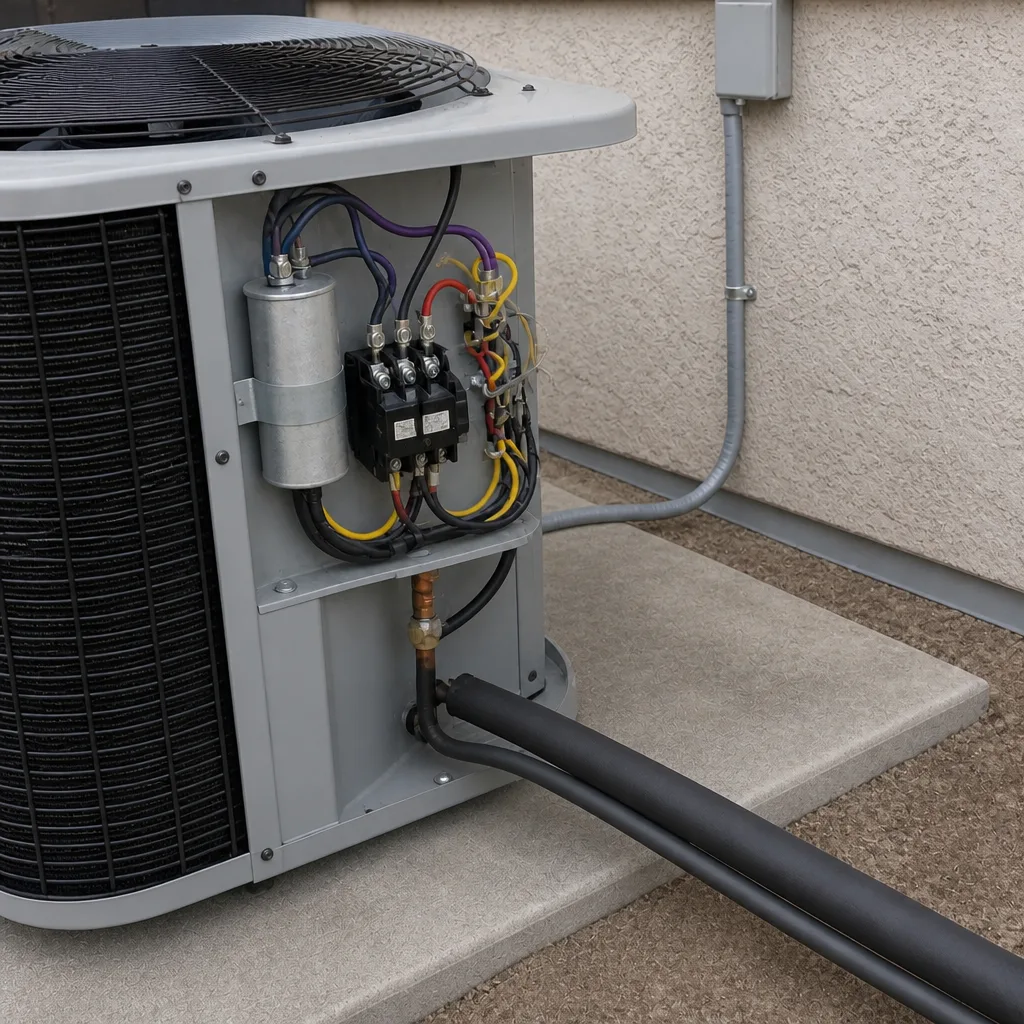
- Electrical inspection. Capacitors and contactors wear faster under constant summer load. This is the time to catch a marginal part before it fails on a 110°F day.
- Outdoor unit prep. Clear debris from around the pad and check that the unit sits level.
The recovery window in Winchester is genuinely short, and service demand in October and November is far lighter than in June. Getting on the schedule in this phase means faster attention and a cleaner start to next year.
Phase 2 (December – February): Heating Mode on a Cooling System
Winchester doesn’t get cold enough to demand a dedicated furnace for most homes, but it gets cold enough that many systems switch into heating mode through the brief winter. That matters because your equipment is primarily a cooling tool. Running it in heating mode changes what you should be watching.
If you have a heat pump
Heat pumps don’t stop working when it drops into the 40s and 30s; they change how they work. The system reverses the refrigerant cycle and pulls heat out of the outdoor air, which is harder work than cooling, and it moves more slowly at low temperatures. Two things homeowners should understand:
- Defrost cycles are normal. A heat pump will periodically switch to defrost mode to clear frost from the outdoor coil. Steam or a brief cool-air blow at the vents is not a failure.
- Refrigerant behavior in cold temperatures. Refrigerant pressure drops as outdoor temperature drops, and the system compensates by running longer cycles. If heating output feels weaker than in past winters, that’s worth documenting in your log rather than ignoring.
If you have a standard AC with a heat strip or furnace
The cooling side is mostly idle, which is good. Use this phase to keep the outdoor unit covered and clear of debris, and to schedule any non-urgent repairs while the system isn’t under load. Manufacturers like Goodman and York build equipment that handles this dual-mode operation well, but they still benefit from a mid-winter visual check when the unit isn’t in constant use.
Phase 3 (March – April): The Pre-Season Window Most Homeowners Waste
Here’s the window that separates a smooth summer from a broken one. Temperatures in Winchester cross 90°F well before Memorial Day, and the week they do, service demand spikes sharply across the valley. The homeowners who schedule pre-season maintenance in March and early April get ahead of that spike. The ones who wait until the first hot week are in a queue with everyone else.
Complete these tasks before the first 90°F day:
- Replace the air filter. A fresh filter before the first hot stretch means the system isn’t fighting restricted airflow in its hardest season.
- Book a full maintenance visit. Have a technician check refrigerant charge, clean coils (if not done in fall), test capacitors and contactors, and verify airflow at the vents.
- Test the thermostat. Switch it to cooling and run it for fifteen minutes. If it doesn’t drop temperature at the vents cleanly, note it and schedule repair before the season starts.
- Clear the outdoor unit. Remove any winter accumulation, check that the pad is level, and confirm at least six inches of clearance on all sides.
- Review last year’s log. Compare this spring’s starting performance to last year’s. Any measurable decline is a signal worth acting on now, not in July.
- Inspect visible ductwork. Look for disconnected joints, crushed runs, or obvious seal failures at accessible points.
Every item on this list takes minutes and prevents hours of discomfort. The pre-season window is short and worth protecting.
Phase 4 (May – September): In-Season Monitoring Habits
Once summer is running, the goal shifts from preparation to observation. You can’t prevent every failure, but you can catch most developing ones before they become a no-cooling emergency. The systems we see fail hardest are the ones where a warning sign was present for weeks and nobody noticed.
What to watch for during the season
- Cooling that takes noticeably longer. If the house used to hit setpoint in twenty minutes and now takes forty, the system is losing capacity. That’s a refrigerant, airflow, or coil problem building.
- Warm air at the registers. Air that comes out cool but not cold is often the first sign of low refrigerant.
- Increased run time without temperature gain. A unit that runs constantly and still doesn’t cool is working harder than it should.
- Ice on the refrigerant lines outdoors. Never normal. Turn the system off and call.
- Unusual sounds. Grinding, rattling, or a hard-to-describe clicking pattern all warrant a check.
- Higher energy bills. The most reliable early signal. Add monthly kWh to your log and compare year over year.
One habit that pays off every summer: schedule a maintenance visit in early May, before demand peaks. We work on systems from Lennox, Rheem, Goodman, and every other major brand, and the same pattern holds across all of them. A spring check catches the small things a homeowner can’t see.
How to Build a Home Log That Works
A home log is exactly what it sounds like: a single notebook or spreadsheet where you record every maintenance visit, filter change, repair, and month of energy use. The point isn’t paperwork. The point is a baseline. Without one, you’re comparing your system’s performance to a memory of how it used to feel – and memory is unreliable. With one, decline becomes visible as a number, not a feeling.
A practical log covers these fields:
- Date and what was done (filter change, maintenance visit, repair)
- Monthly kWh from your electric bill, for every month
- Setpoint and outdoor high for the hottest week each summer
- Any symptom logged, with the date it started
- Equipment model and serial number, plus the brand (Carrier, Trane, Lennox, Goodman, Rheem, York, Daikin, Bryant, American Standard, or other)
- Refrigerant charge reading at each maintenance visit, if the technician provides one
After two summers you’ll have a clear year-over-year picture. A system that used 1,100 kWh in August last year and 1,400 kWh this year at the same setpoint and similar weather is telling you something. That’s the kind of signal that lets you plan a repair or replacement on your terms, not during a no-cooling emergency in August.
Common Mistakes to Avoid
- Skipping the fall coil cleaning. Many homeowners clean in spring and skip fall. In Winchester’s climate, fall cleaning is often the more important one, because it removes the load that accumulates during peak summer.
- Waiting until the first hot week to call. Service demand spikes fast when temperatures cross 90°F. Booking the pre-season visit in March or April means you’re not competing with the emergency queue.
- Running the system with a clogged filter. Restricted airflow forces the system to work harder and can freeze the indoor coil. Check the filter monthly through summer.
- Ignoring ice on refrigerant lines. Ice means the system isn’t transferring heat properly. Running it that way can damage the compressor. Turn it off and call for AC repair.
- Treating a heat pump like a furnace. Heat pumps operate differently in cold weather than a gas furnace. Defrost cycles and longer run times are normal, not failures – but they’re worth logging.
- Replacing a system without a diagnosis. A technician who only works on one brand sometimes leans toward replacement. Get a second opinion if a repair recommendation feels driven by what’s familiar rather than what’s needed.
- Not keeping records. Without a written log, you can’t see decline, and you can’t prove what’s been done. That hurts on resale and makes maintenance planning guesswork.
When to Call a Professional
Some things are worth a call before they become an emergency. If the system blows warm air, if the refrigerant lines are frozen, if the outdoor unit is making grinding or rattling sounds, or if the unit runs constantly and doesn’t reach setpoint, those all warrant a professional diagnosis. Also call if a fuse keeps tripping when the system starts, or if you see water pooling near the indoor unit – both point to problems that get worse under summer load.
If you’re unsure whether a symptom is worth a visit, call and describe it. We’ll tell you honestly whether to schedule now or wait. Our technicians have up to 13 years of experience and are familiar with the most common brands found in Winchester homes.
Winchester AC Repair offers free estimates in Winchester – call (888) 335-7951.
Frequently Asked Questions
Twice a year, ideally. Once in October or November after the peak season ends, and once in March or April before the next peak begins. Fall maintenance cleans the coil and clears the drain line; spring maintenance verifies charge and tests electrical components. Two visits a year is the pattern that gives the best results in Winchester’s climate, because the four-phase year puts more continuous load on equipment than a milder region would.
Yes. Heat pumps are built to run in cold weather. What matters is watching for genuinely abnormal behavior: ice that doesn’t clear during a defrost cycle, strange sounds, or heating output that drops noticeably compared to past winters. Defrost cycles and longer run times are normal. If you see something that doesn’t match your log from previous years, call for a diagnostic. Call (888) 335-7951 to schedule.
Condenser coil cleaning. After a full Winchester summer, the coil carries months of accumulated debris that traps moisture and reduces efficiency. Cleaning it in October or November means the system starts the following season clean. Skipping this task is the most common reason we see systems underperform by the second or third summer.
Our technicians are familiar with nine of the most widely installed AC brands: Carrier, Trane, Lennox, Goodman, Rheem, York, Daikin, Bryant, and American Standard. We can also diagnose equipment from other manufacturers, and our brand-agnostic approach means we don’t push replacement based on which brand we know best. Call (888) 335-7951 with your model information and we’ll tell you what we can do.
Look at your log. If a system has needed major repairs in consecutive years, or if it’s using noticeably more energy each summer at the same setpoint, replacement is worth evaluating. As a general rule: a repair that costs a significant fraction of replacement and doesn’t fix the underlying pattern is money spent on a system that will keep failing. Our specialists will tell you honestly whether repair or AC installation makes more sense for your specific equipment.
Yes. We run a maintenance program for homeowners who want a standing relationship with a returning specialist rather than a one-call fix. The program is built around the four-phase Winchester year – fall cleaning, pre-season verification, and ongoing monitoring through the cooling season. Call (888) 335-7951 to ask about scheduling.
The Bottom Line
Winchester doesn’t give AC equipment a real off-season – just a short recovery window that determines how the next summer goes. Fall coil cleaning matters more than most homeowners realize. The pre-season window in March and April is the one to protect. In-season monitoring works best when it’s backed by a simple log, because numbers catch decline that feelings miss. Systems from Lennox, Rheem, Goodman, York, and every other major brand benefit from the same four-phase pattern. If you want help building the schedule, Winchester AC Repair handles repair, installation, and maintenance under one team. Call (888) 335-7951. We answer 24/7. Fast dispatch from 7am to 7pm, Sunday through Friday.
Written by the team at Winchester AC Repair.
See the difference
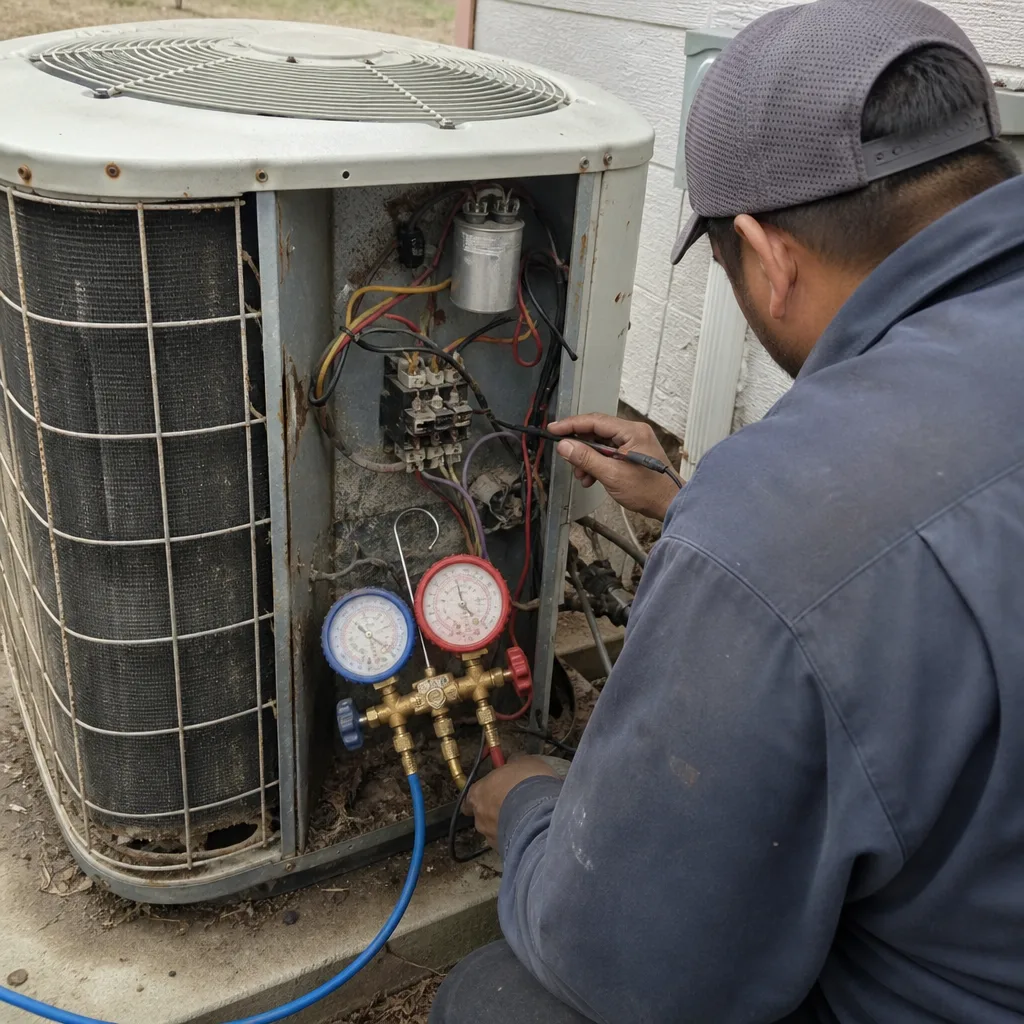 Before
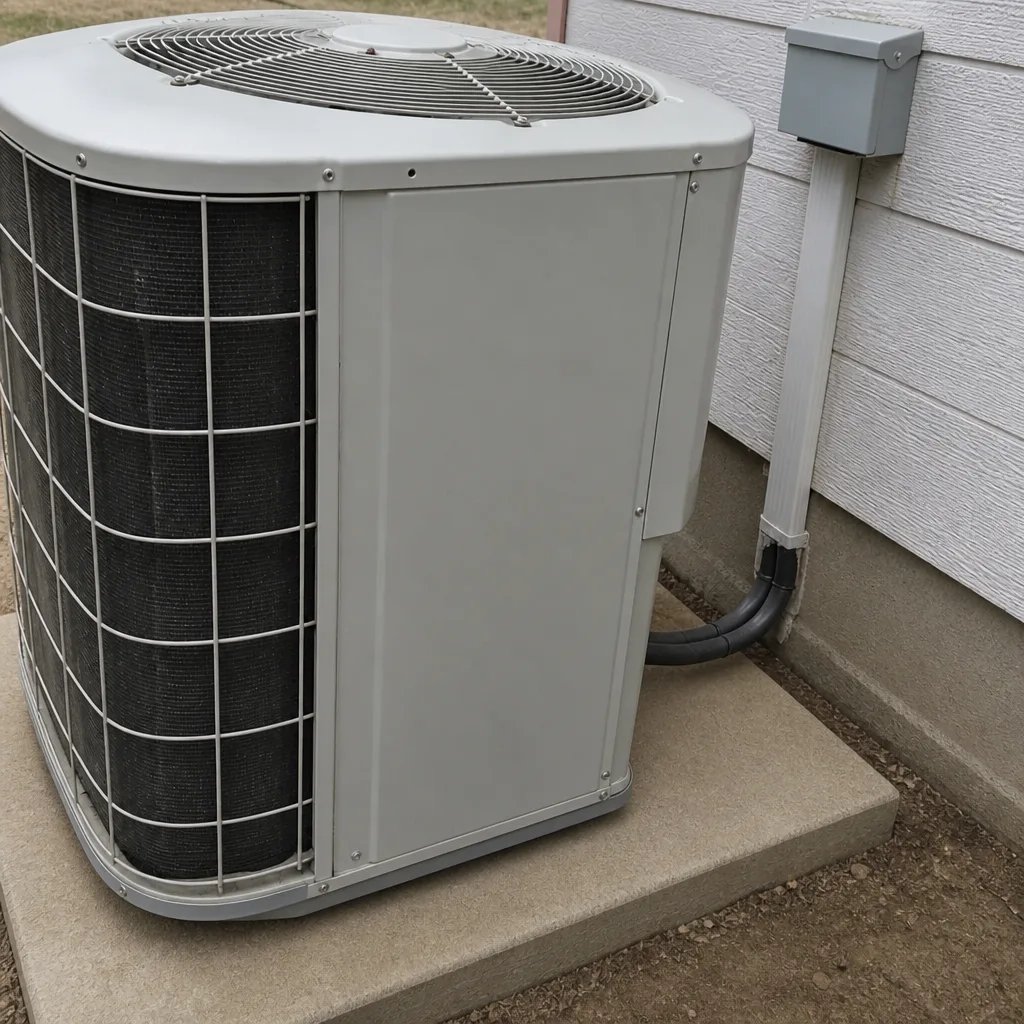 After
 Before
 After
 Before
 After