
Last updated November 18, 2026
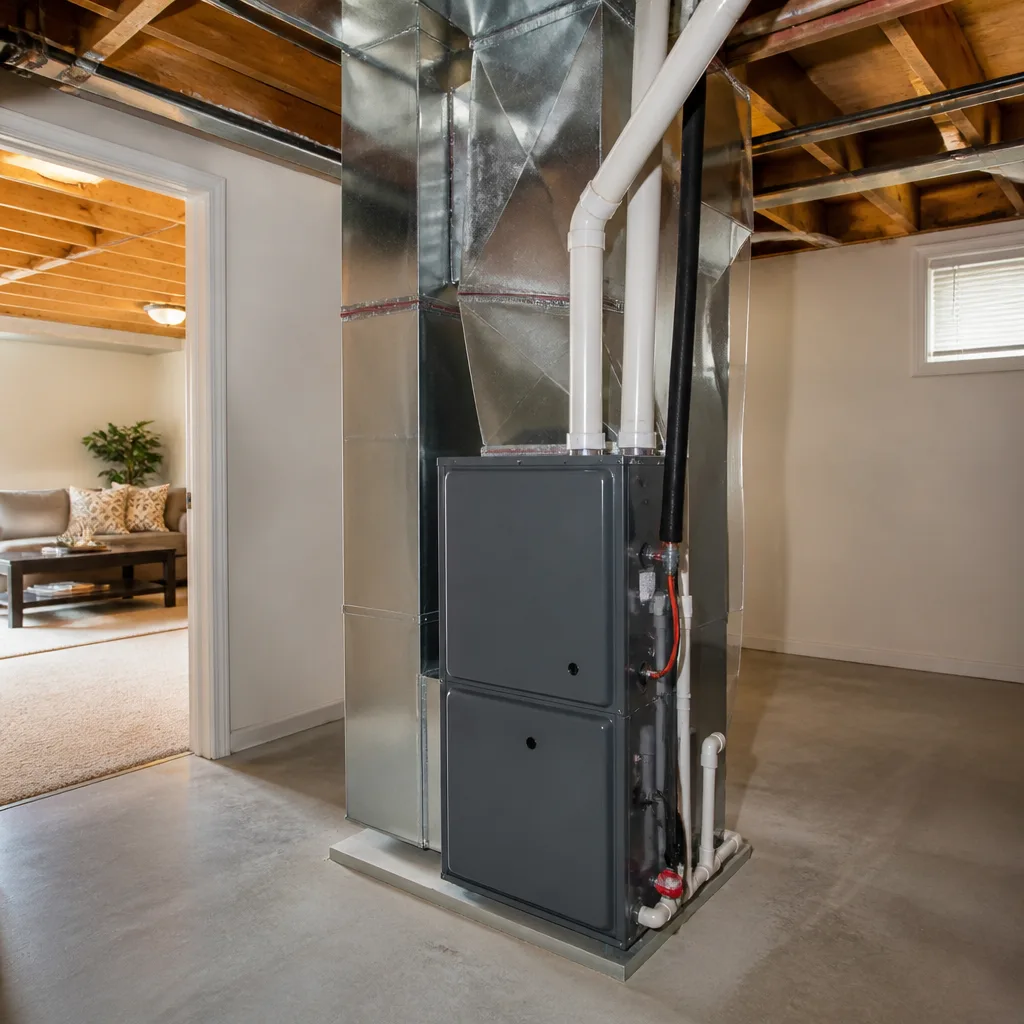 Furnace & heating
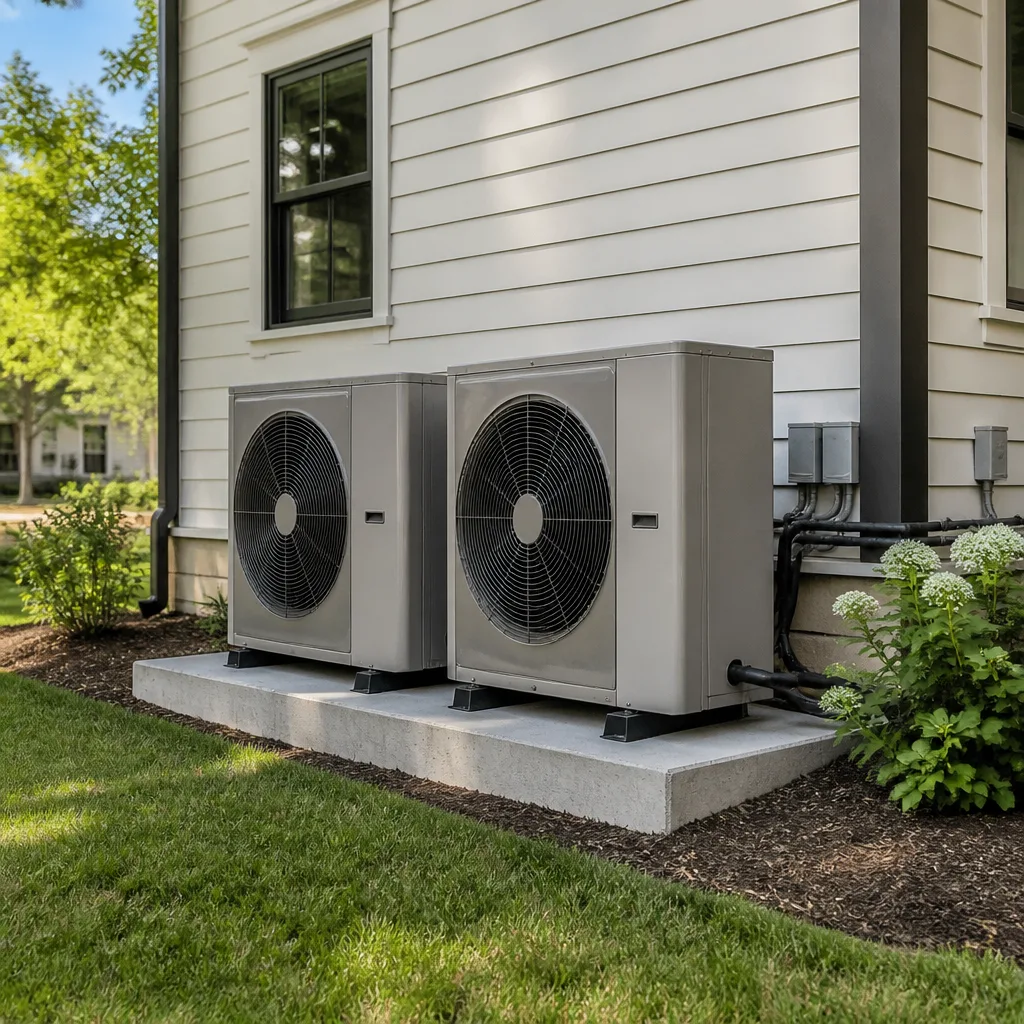 Heat pumps
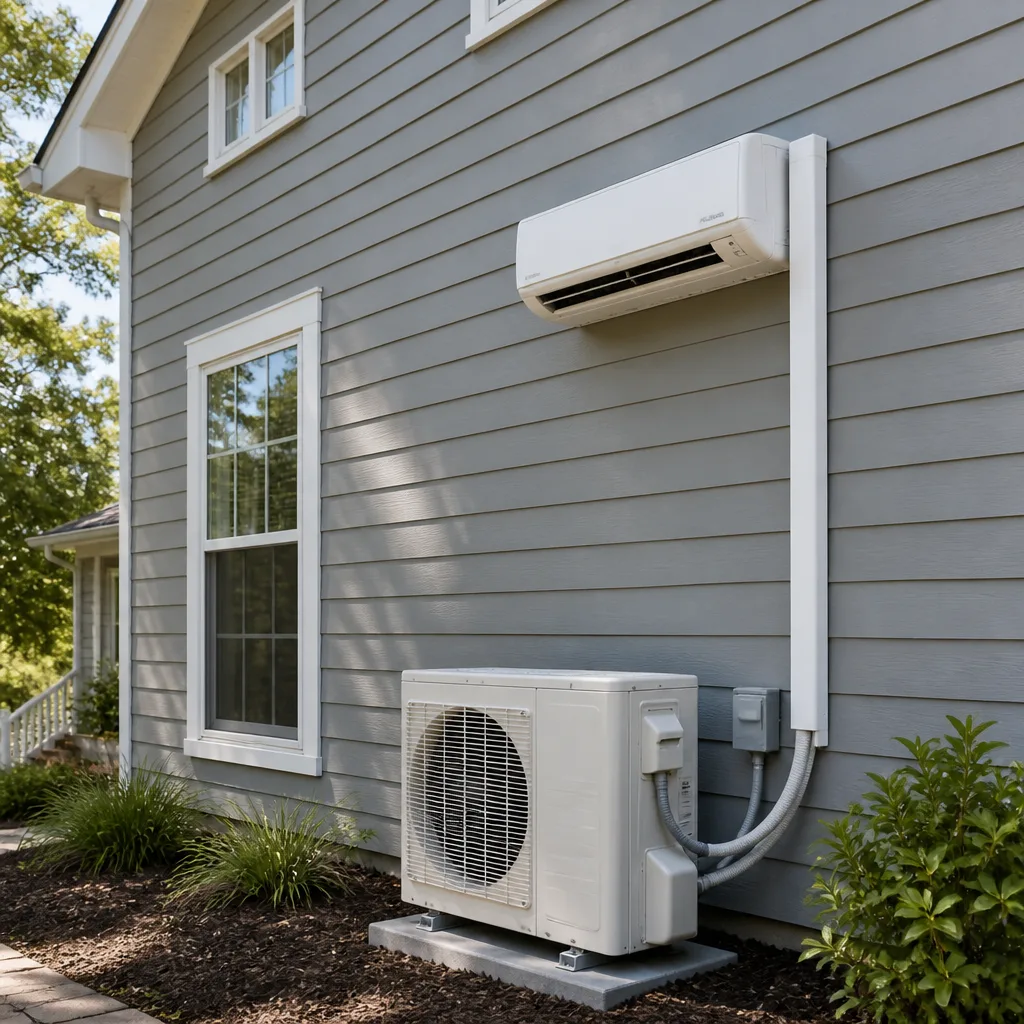 Ductless mini splits
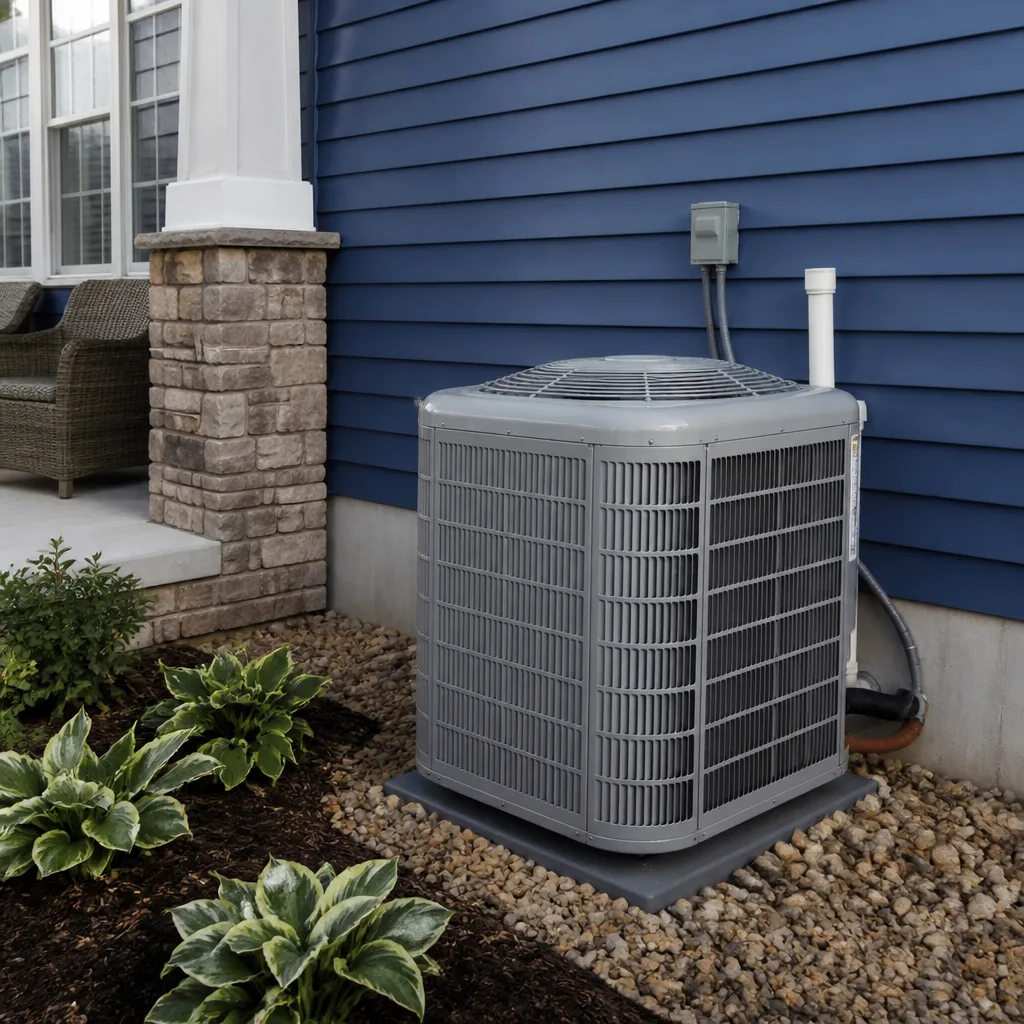 Carrier
 Trane
 Goodman
Seasonal tune-up and full diagnostic on your Carrier, Trane, or Goodman system - readings shown to you before any repair is proposed
Diagnosis first, numbers second - you approve the repair price before a single part goes in.
Get your free estimateHVAC Emergency Preparedness Guide for Winchester Homes
Most homeowners treat air conditioning as a maintenance item. It isn’t. In Winchester, it’s emergency management. The gap between “my AC is struggling” and “this house is no longer safe to sleep in” can close in a single afternoon, and the households that fare best are the ones who did their thinking in March, not at 10 PM in July. During Winchester’s 2023 heat dome, Clark County cooling centers saw intake climb sharply within 48 hours of a broad grid stress event. Most of the households affected had no plan and no spare parts for a system that had been showing symptoms for weeks. This guide gives you a working plan: how equipment fails under heat load, how to triage a breakdown, how to keep a house livable while you wait, and what to document before you ever need it.
Quick Answer
A real AC emergency plan for a Winchester home has four parts: a documented equipment profile (model, age, service history, warranty), a small stash of the parts that fail most in heat (capacitors and contactors, sourced on your technician’s advice), a room-by-room heat safety plan with a clear threshold for leaving, and a signed-up understanding of how NV Energy demand-response events affect your cooling. Build all four before summer, and a breakdown becomes an inconvenience instead of a crisis.
Styles & brands we work with
- AC installation
- Furnace & heating
- Heat pumps
- Ductless mini splits
- Carrier
- Trane
- Goodman
Table of Contents
- Why Winchester Heat Turns an AC Problem Into a Health Problem
- What Actually Fails First: Capacitors, Contactors, and Heat Load
- How to Triage an AC Failure at 10 PM on a Saturday
- Your Household Heat Safety Plan for the Hours Before Repair
- What to Document Before the Emergency, Not During It
- NV Energy Cycling Programs and Grid-Stress Events
- Building a Small Spares Kit the Right Way
- Turning Maintenance Into Preparedness
Why Winchester Heat Turns an AC Problem Into a Health Problem
A failed AC in a mild climate is a bad week. A failed AC in Winchester in July is a different category of event. Desert heat doesn’t just make a house uncomfortable; it removes the buffer that lets an older adult, an infant, or anyone with heart or respiratory conditions regulate their own body temperature. Indoor temperatures in a home with no cooling can climb toward outdoor levels within hours, and they climb fastest in the rooms with west-facing windows and the least insulation.
That’s why we frame preparedness as emergency management rather than home maintenance. The question isn’t “when should I service my system?” It’s “what is my plan if the system stops at the worst possible moment?” Those are different questions, and most Winchester households have answered only the first one.
Three local realities shape that plan:
- Peak heat arrives with peak grid load. The hottest afternoons are also the hours when NV Energy is managing the most demand. A failing system and a stressed grid tend to happen on the same day.
- Older housing stock holds heat. Plenty of Winchester homes were built long before current insulation and window standards. Those homes lose cool air faster and gain heat faster, which shortens your usable window after a failure.
- Heat illness is quiet. It rarely announces itself. By the time someone in the house feels genuinely unwell, the sensible response is to leave, not to tough it out.
Our technicians have up to 13 years of experience working cooling systems in this climate, and the pattern is consistent: the homes that recover fastest are the ones where somebody already knew the model number, already had a technician’s phone number on the fridge, and already knew which room to retreat to. Preparedness is boring right up until it isn’t.
What Actually Fails First: Capacitors, Contactors, and Heat Load
If you want to know which two components cause the most no-cool calls during a Winchester heat event, it’s capacitors and contactors. Both are inexpensive, both are heat-sensitive, and both fail more often when a system runs long cycles in high ambient temperatures. A capacitor stores and releases the energy that starts and runs the compressor and the condenser fan motor. A contactor is the switch that closes to send power to those components. When either one goes, the symptom is usually the same: the thermostat calls for cool, the indoor blower may run, and nothing happens outside.
Here’s what that means practically. These parts are not exotic. But they’re also not universal. Capacitors come in specific microfarad ratings and voltages, and the correct replacement depends on the exact equipment you own. Contactors vary by coil voltage and contact rating. Putting the wrong one in is worse than waiting.
So the right move isn’t to guess at the parts store. It’s this:
- Ask your technician during a normal maintenance visit which capacitor and contactor your unit takes, and whether keeping spares makes sense for your system’s age.
- Have them show you where those parts live inside the outdoor unit so you can identify them later.
- Write the ratings down and store them with your equipment documentation.
- Leave the swap to a technician. The outdoor unit holds high voltage at the capacitor even after the disconnect is pulled. That stored charge is genuinely dangerous.
One honest safety note: capacitor and contactor replacement involves line voltage and a component that can hold a charge after power is removed. This is not a homeowner repair. Having the right part on hand shortens the repair; installing it yourself risks a serious injury.
How to Triage an AC Failure at 10 PM on a Saturday
When the system quits at night, the goal is to gather accurate information fast, decide whether the house is safe to stay in, and give a technician enough detail to arrive prepared. You are not diagnosing the system. You’re collecting evidence and making a judgment call about the household.
Work through this in order:
- Check the thermostat first. Confirm it’s set to cool, the fan is on auto or on, and the batteries aren’t dead if it’s a battery model. A surprising share of “failures” are a mode setting or a blank display.
- Check the breaker. Look at the panel for a tripped breaker feeding the outdoor unit. Reset it once. If it trips again, stop and call. A breaker that trips twice is telling you something.
- Check the air filter. A filter packed solid with dust strangles airflow and can freeze the indoor coil. If it’s grey and matted, change it.
- Listen outside. Is the outdoor fan running? Is the compressor humming? Is there ice on the refrigerant lines? Note what you hear and see.
- Look at the indoor unit. Is the blower running? Is there water in the drain pan?
- Decide on the household. If anyone in the home is elderly, an infant, pregnant, or living with a heart or breathing condition, and indoor temperature is climbing, plan to leave rather than wait it out.
When you call, lead with the facts a technician can use: your equipment brand and model, what the thermostat is doing, whether the outdoor fan runs, whether the breaker tripped, and how hot the house already is. Accuracy matters more than urgency. “The system is completely dead and my house is 94 degrees and my mother is 82” gets a different response than “the AC isn’t working great.” Overstating the problem the first time costs you credibility; understating it costs you time.
We answer 24/7, and a call outside dispatch hours is booked into the next opening, Sunday through Friday, 7am to 7pm. Call (888) 335-7951.
If the failure turns out to be a straightforward component issue, a repair visit is usually what’s needed. You can read more about that on our AC repair page.
Your Household Heat Safety Plan for the Hours Before Repair
The hours between a failure and a repair are the part of the emergency most homeowners are least prepared for. A working plan has three pieces: knowing which rooms hold cool air, knowing how to use portable units without making things worse, and knowing when to leave.
Which rooms retain cool air longest
In a typical Winchester home, the rooms that stay coolest are the ones with the least direct sun, the most insulation, and the smallest volume. Interior rooms with no exterior walls, north-facing rooms, and downstairs rooms all hold temperature better than a west-facing bedroom with a big window. Walk your house in the afternoon before summer and note which rooms stay comfortable. Those become your designated cool rooms. Keep the doors closed on them so the cool air you have stays put.
Managing portable units
- Vent the exhaust properly. A single-hose portable unit needs its exhaust routed outside, and it works better if you seal the window opening around the hose.
- Don’t run one in a closed room you’re also heating. Portable units dump some heat back into the room; they’re most effective cooling one occupied room at a time.
- Keep the unit on a circuit that isn’t shared with a fridge or another large appliance.
- Close off the rest of the house. Cooling one room well beats trying to cool four rooms poorly.
Threshold criteria for leaving
Leaving is not an overreaction; it’s the plan working. Use these thresholds as your trigger:
- Indoor temperature is climbing past the low 80s and the household includes an infant, an older adult, or anyone with a cardiac or respiratory condition.
- A person in the home feels confused, stops sweating while hot, or becomes nauseated and weak. That’s a medical concern, not a comfort concern, and the answer is to cool them and get help.
- Indoor temperature keeps climbing after dark with no relief in sight and no repair scheduled.
- The AC cycling events and grid stress are likely to continue for another day.
Know ahead of time where you’d go: a relative with working cooling, a library, a mall, a cooling center. The Clark County cooling center network operates during declared heat events, and having that information saved on your phone before you need it is the whole point of the exercise.
What to Document Before the Emergency, Not During It
There’s a hard reality about emergencies: the moment you most need your equipment details is the moment you’re least able to find them. Your house is 95 degrees, you’re on the phone, and the model number you need is on a sticker behind a bush. Prepare the documentation now, and store it somewhere you can reach it with one hand while holding a phone in the other.
Build a simple “cooling file” covering:
- Equipment model and serial numbers for both the indoor air handler and the outdoor condenser. Photograph the data plates.
- Installation date and the brand name. If your system is a Carrier, Trane, Lennox, or Goodman, note it. Brand and model matter when a technician is stocking a repair.
- Service history with dates and what was done. Even a handwritten list is worth keeping.
- Warranty status and the paperwork. A system still under parts warranty changes the economics of a repair.
- Your technician’s contact information, saved in your phone under a name you’ll actually search for.
- The part ratings for your capacitor and contactor if you’ve had them noted.
Store the file in two places: a folder in the house and a photo album or note on your phone. The phone copy is the one you’ll actually use. We’ve seen this save hours on a service call, especially when the equipment is older and the exact model matters for the repair.
If you’re in Winchester and your system is a brand you’re unsure we service, check the details through our main Winchester AC Repair page or ask when you call.
NV Energy Cycling Programs and Grid-Stress Events
Nevada’s utilities have offered demand-response programs for years, and if you’re on one, you may experience brief compressor cycling during high-demand events. Those programs generally work by briefly cycling your compressor off during a grid-stress window while your indoor fan keeps running. The point is to shave peak load without taking your cooling away entirely.
What matters for preparedness:
- Know whether you’re enrolled. Many homeowners are signed up and don’t remember. Check your utility account before summer.
- Know the difference between a program event and a failure. If your system cycles off and back on during a hot afternoon and other electronics in the house are fine, it may be a demand event, not a breakdown.
- Know you can opt out. Demand-response enrollment is voluntary, and you can typically leave the program if you have medical equipment or a household member whose health depends on uninterrupted cooling. Ask your utility directly about the options.
- Understand what cycling doesn’t fix. A marginal capacitor or a refrigerant charge that’s already low will make cycling events feel much worse. Pre-season maintenance reduces that risk.
If you notice that cooling performance drops noticeably during high-demand afternoons even when the system isn’t being cycled, that’s a symptom worth investigating before the next heat wave.
Building a Small Spares Kit the Right Way
A small, well-chosen spares kit is the single highest-leverage thing most Winchester homeowners can do before summer. It is not a toolbox overhaul. It’s four or five items and a note, assembled with guidance from someone who has looked at your specific unit.
- Get a technician’s read on your equipment. The right capacitor and contactor depend on your model. There’s no universal answer.
- Verify ratings match. Microfarad rating, voltage, and tolerance all matter. Have the technician confirm.
- Store the parts in a labeled zip bag with the specification note included.
- Add a couple of correctly sized air filters. The right size matters; a filter that doesn’t fit gets left in the closet.
- Skip the temptation to install anything yourself. The kit shortens the repair; the technician performs it.
If your system is due for a replacement rather than a sequence of repairs, the plan changes. A new system eliminates the guessing and the parts stash. You can read about that on our AC installation page. Whatever you decide, only have parts on hand for a system you’re keeping.
Turning Maintenance Into Preparedness
Here’s the uncomfortable truth about preventing emergencies: it’s rarely dramatic work. The failures that wipe out cooling on the hottest day of the year almost always started weeks earlier as a small, cheap problem. A capacitor that’s drifted out of spec. A contactor with pitted contacts. A refrigerant charge that’s a little low. A condenser coil packed with dust. Maintenance catches those before they compound.
What a good maintenance visit should produce:
- A measured check of the electrical components, including the capacitor’s actual reading against its rating
- A coil cleaning and airflow check
- A refrigerant charge and pressure check
- A filter recommendation specific to your home’s dust load and pets
- A written report of what was found and what was flagged for the next visit
Scheduling maintenance before peak heat is not a sales pitch; it’s the cheapest form of emergency prevention available to you. The best time to book on a Winchester AC system is in the spring, before the first week that pushes every house in the valley onto the grid at once.
If you’re new to the area or haven’t set up a maintenance relationship yet, some neighborhood context helps. A little background on the Winchester area and how homes here handle summer is a reasonable starting point.
Common Mistakes to Avoid
- Waiting until the failure to gather model numbers. The data plate on your outdoor unit is easier to read in March than in a 105-degree July afternoons. Photograph it now.
- Guessing at capacitor specs. A wrong-value capacitor can damage your compressor, which turns a $200-ish repair into a much larger one. Have the rating confirmed by a technician.
- Trying to diagnose electrical components without training. Capacitors can hold a dangerous charge after the disconnect is pulled. This is a technician’s job.
- Treating a tripped breaker as a mystery to reset indefinitely. A breaker that trips twice is telling you it’s protecting against a fault. Stop, and call.
- Ignoring demand-response enrollment. Plenty of Winchester homes are on a cycling program and their owners don’t know it, so they either panic during events or miss the opt-out for a medical need.
- Overstating urgency on the phone. It seems like it will get you faster service; it more often misdirects the call. Give accurate details and let the dispatcher sequence properly.
- Staying in an unsafe house to save a repair call. A repair is a cost. Heat illness in an older adult is a medical emergency, and the plan should already say “leave” at that point.
See the difference
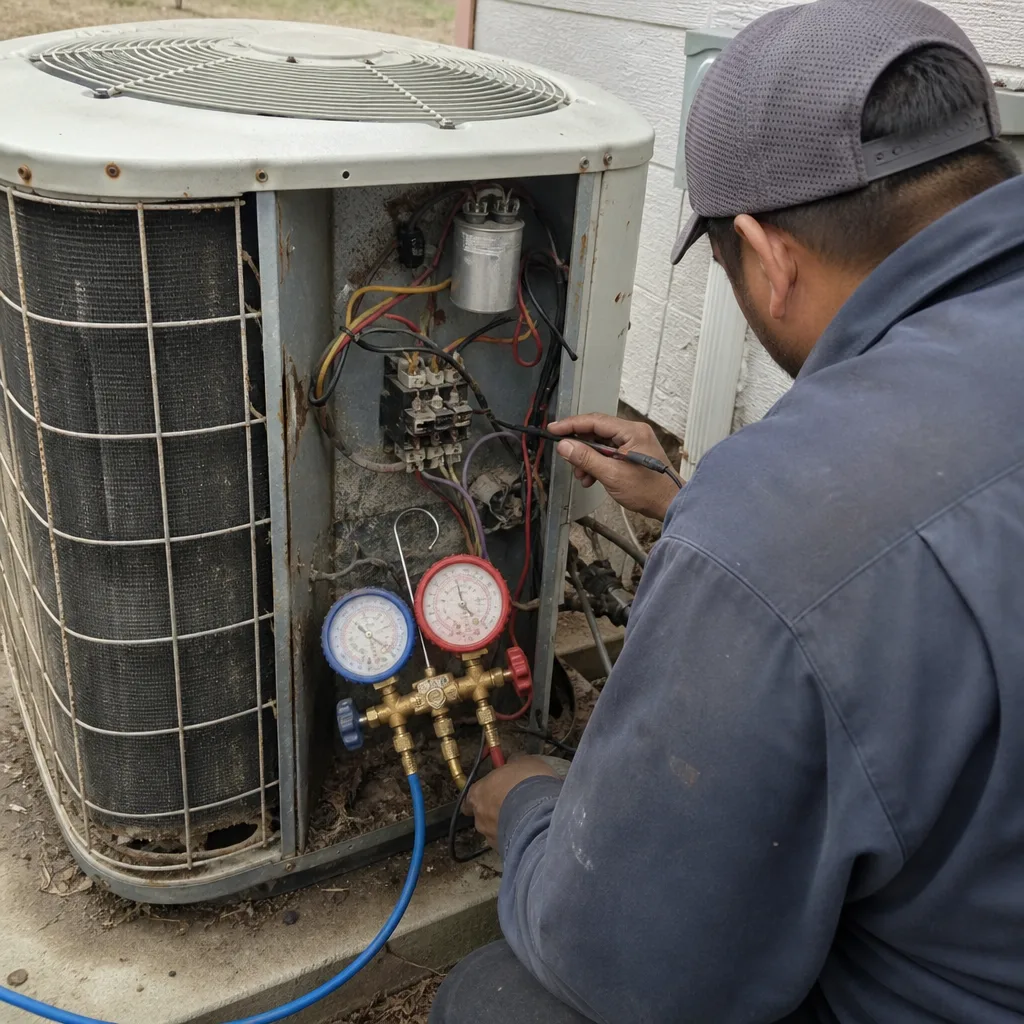 Before
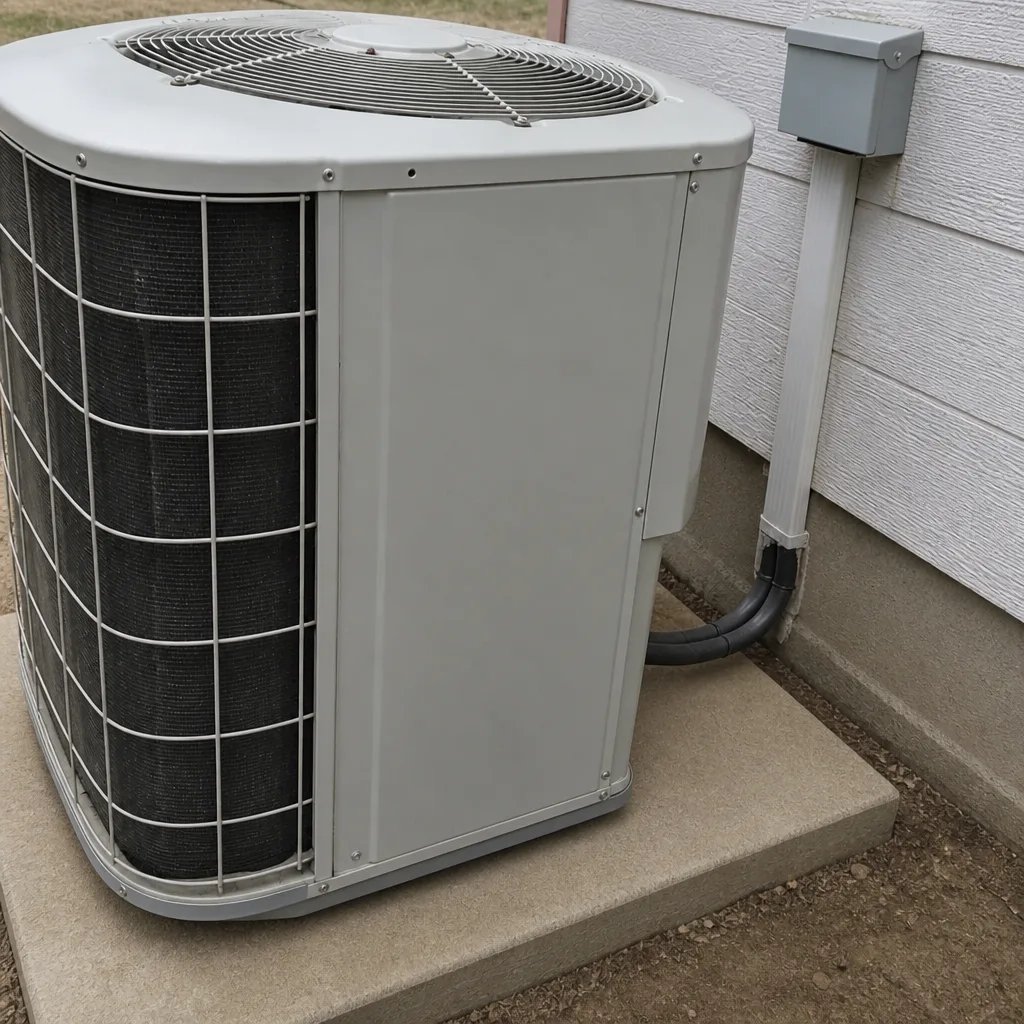 After
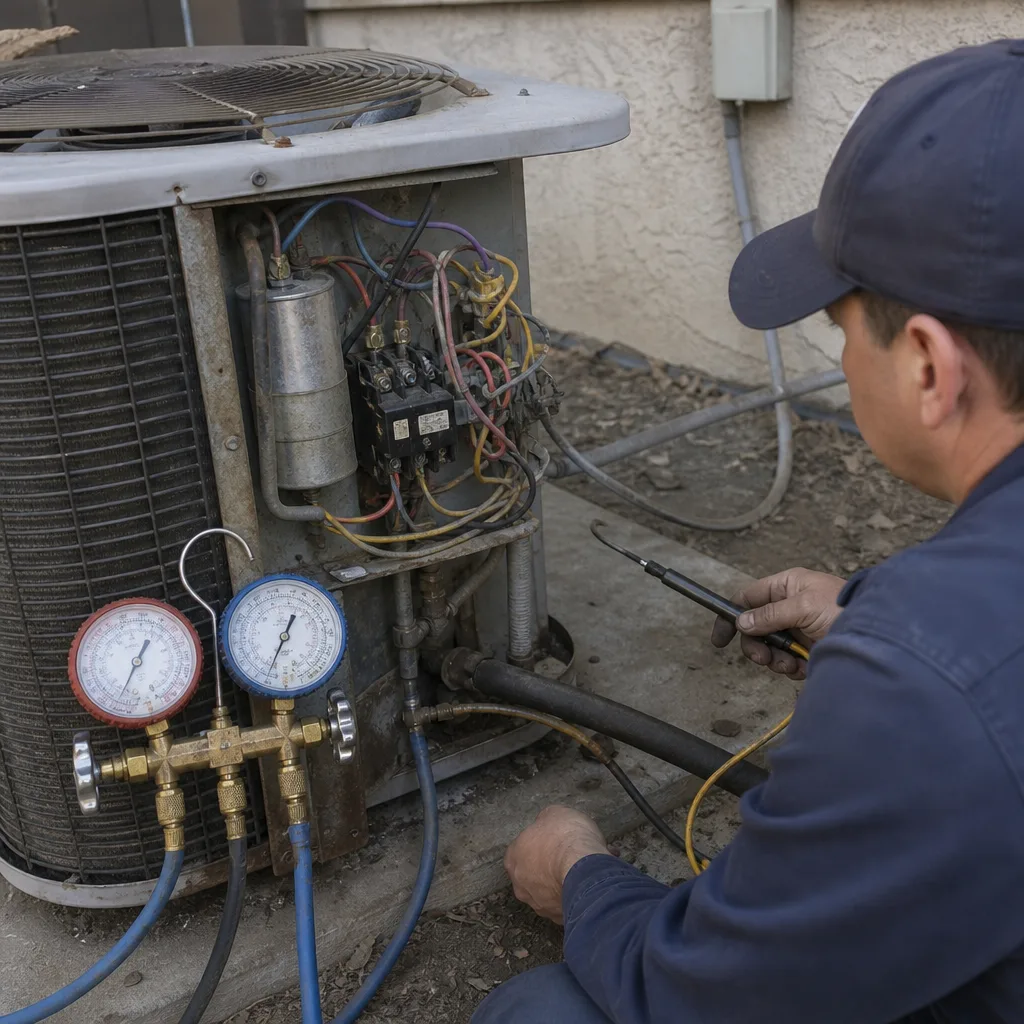 Before
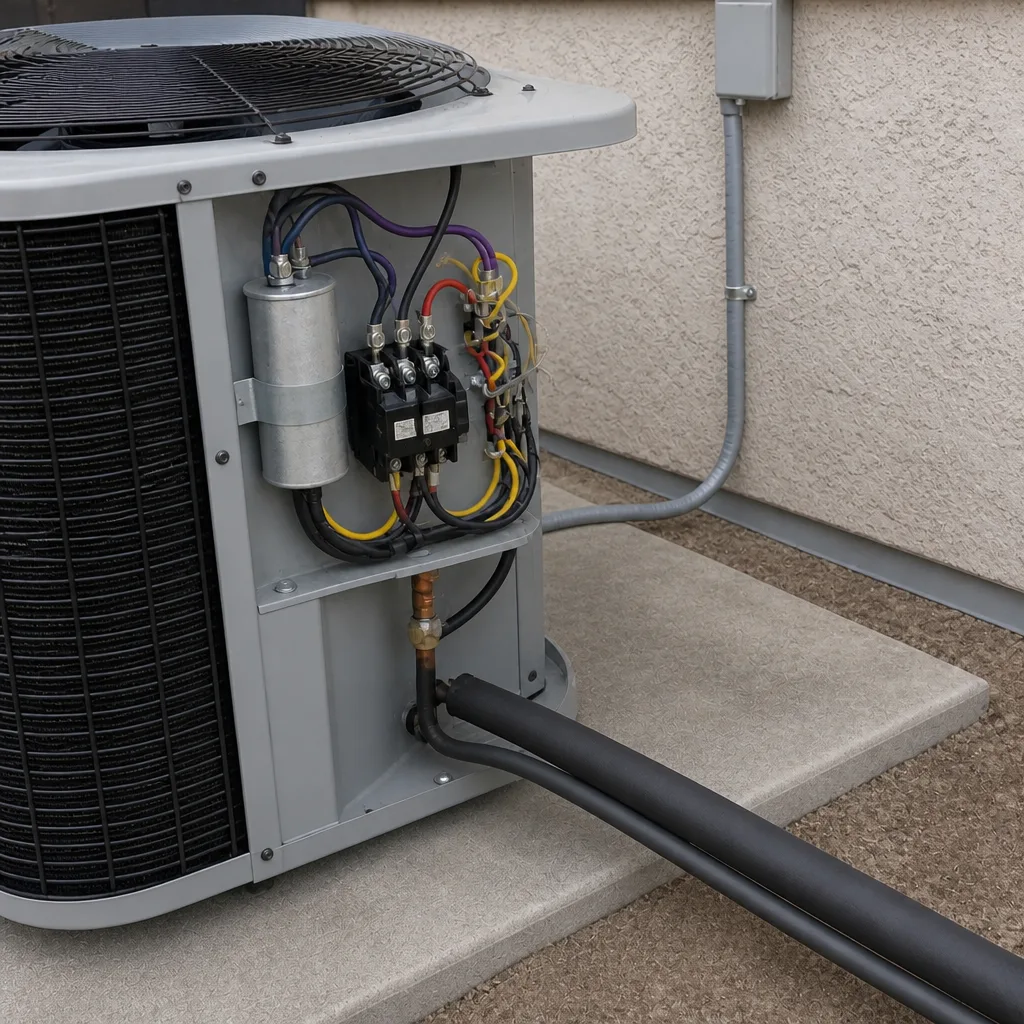 After
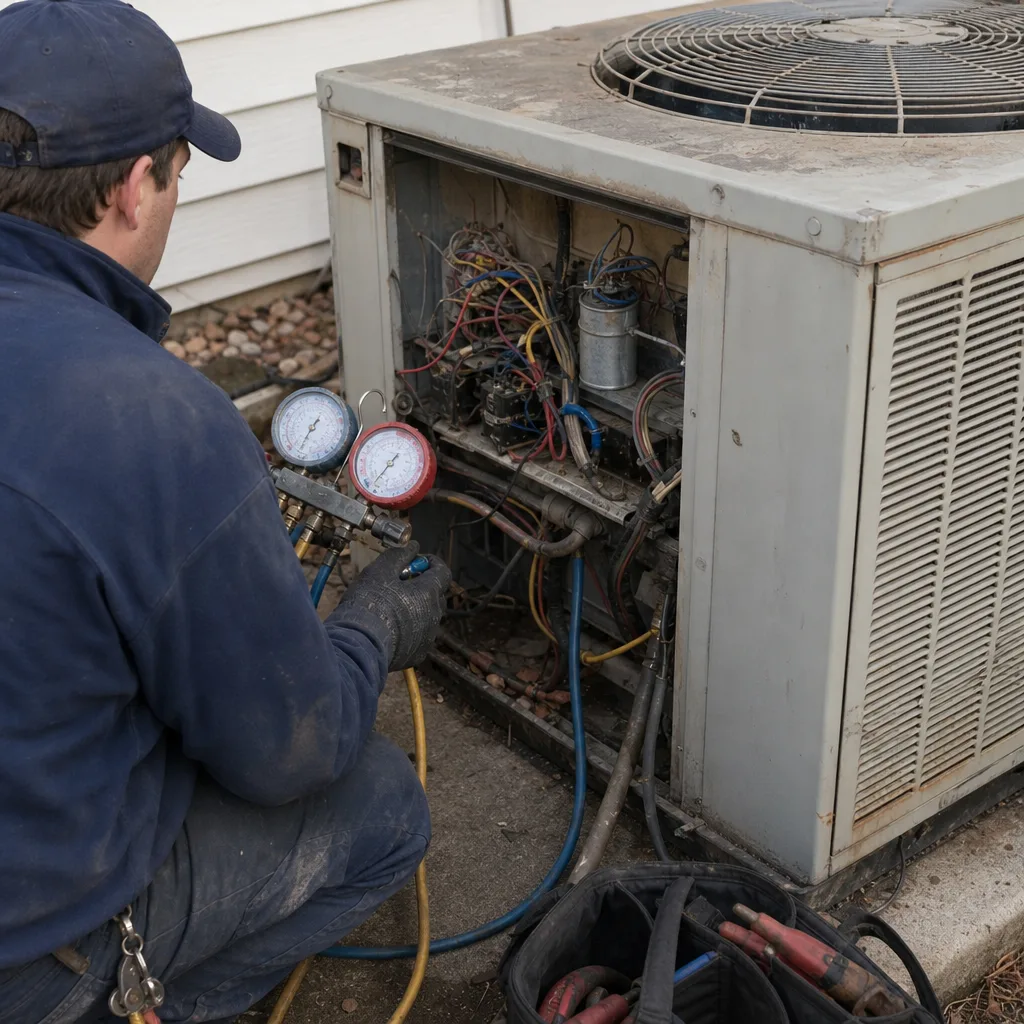 Before
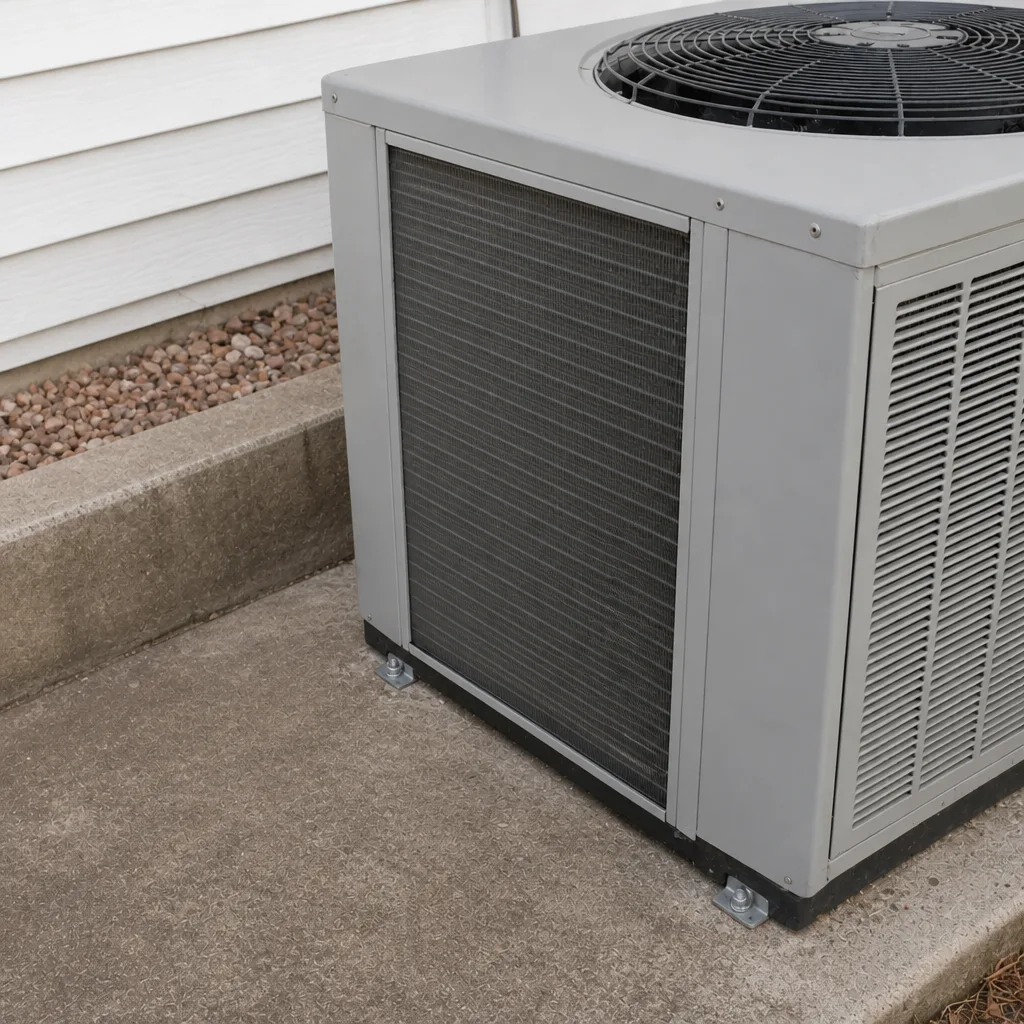 After
When to Call a Professional
Some things are worth checking yourself: the thermostat setting, the breaker, the air filter, and a visual look at the outdoor unit. Everything else deserves a professional, and quickly, when the situation is unsafe. Call when a breaker trips twice, when you hear unusual noise from the compressor, when there’s ice on the refrigerant lines, when the outdoor fan doesn’t run but the indoor blower does, when the house simply won’t cool and indoor temperature is climbing with a vulnerable person inside, or when the system is showing the same symptom it had on the last visit. The cost of waiting is usually a larger repair and a hotter house.
Winchester AC Repair offers free estimates in Winchester, and the price is set per job by the written estimate. Call (888) 335-7951.
Frequently Asked Questions
The three highest-impact steps are a pre-summer maintenance visit, a documented equipment file (model numbers, warranty, service history), and a small spares kit sourced with your technician’s guidance. Add a room-by-room heat plan and a saved cooling center contact, and you have a real emergency plan. The single most common failure of a heat emergency plan in Winchester is that it exists only in someone’s head.
Capacitors and contactors fail most often, because both are heat-sensitive and both run harder during long cycles in high ambient temperatures. A failed capacitor will typically stop the compressor or condenser fan while the thermostat still calls for cool. Have your technician confirm your exact ratings during a maintenance visit so the right spare is on hand.
Give the brand and model, what the thermostat is doing, whether the outdoor fan runs, whether the breaker tripped, and the current indoor temperature. If someone in the home is vulnerable, say so plainly. Accurate information helps a technician arrive with the right parts and lets the dispatcher sequence the job correctly. We answer 24/7. A call outside dispatch hours is booked into the next opening, Sunday through Friday, 7am to 7pm. Call (888) 335-7951.
Not if a vulnerable person is in the home and indoor temperature is climbing. Infants, older adults, pregnant women, and anyone with heart or respiratory conditions should be moved to cooled space well before symptoms appear. Use cooling centers or a relative’s home. If someone is confused, stops sweating while hot, or becomes nauseated, that’s a medical concern, not a comfort issue.
Demand-response programs briefly cycle your compressor during grid-stress windows, generally while indoor fans keep running. They’re voluntary and you can typically opt out for medical reasons. Check your utility account to confirm enrollment before summer, and ask your utility directly about opt-out options if a household member depends on uninterrupted cooling.
Age, repair frequency, and warranty status drive the answer. A system with repeated capacitor or contactor failures, a refrigerant leak that keeps returning, or one well past its useful life is often a replacement candidate. A single failed part on an otherwise healthy system is a repair. A technician can give you a straight answer after a diagnostic visit; free estimates are available. Call (888) 335-7951.
Ask when you call. We’re set up on Carrier, Trane, Lennox, Goodman, Rheem, York, Daikin, Bryant, and American Standard, which covers the equipment in the overwhelming majority of Winchester homes. If yours is outside that group, we’ll tell you honestly rather than guess at it.
The Bottom Line
An HVAC emergency is only an emergency if you’re unprepared for it. In Winchester, the plan comes down to four things: know your equipment (model, warranty, service history, documented in your phone); know the parts that fail (capacitors and contactors, sourced on a technician’s advice, not a guess); know your house’s heat plan (cool rooms, portable unit use, and thresholds for leaving); and know how demand-response events fit in. Do those before summer and a breakdown becomes a repair call instead of a crisis. When you need a specialist who works on your brand, call us.
Call Winchester AC Repair at (888) 335-7951 for a free estimate. We answer 24/7. Fast dispatch from 7am to 7pm, Sunday through Friday.
Written by the team at Winchester AC Repair.