
Last updated November 18, 2026
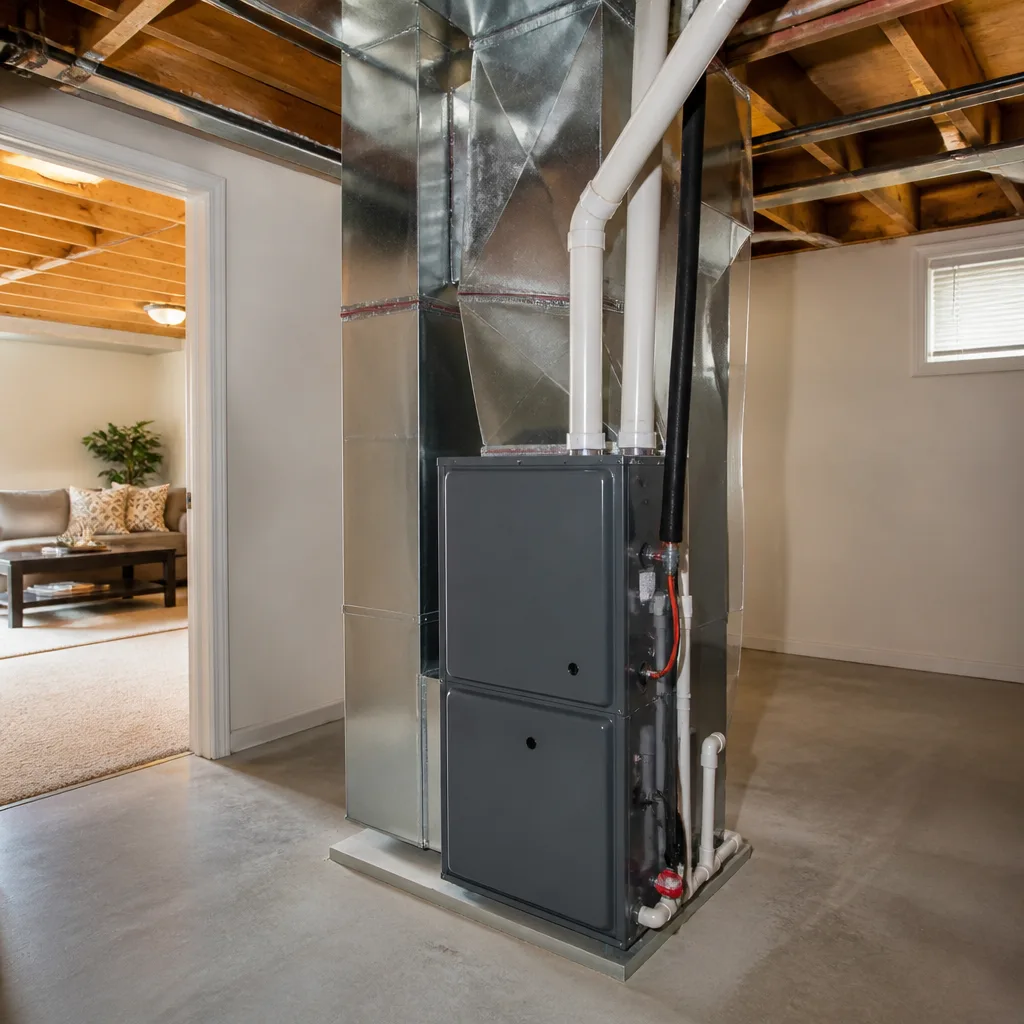 Furnace & heating
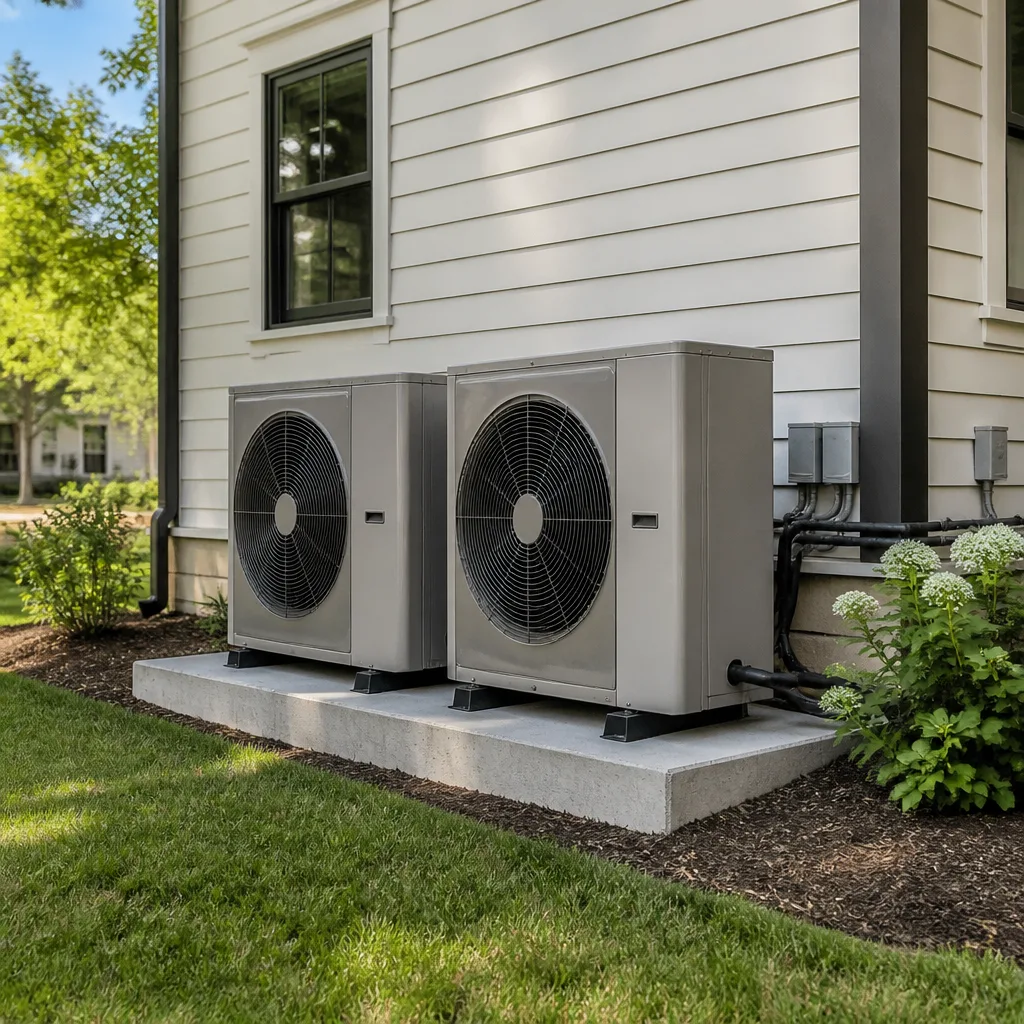 Heat pumps
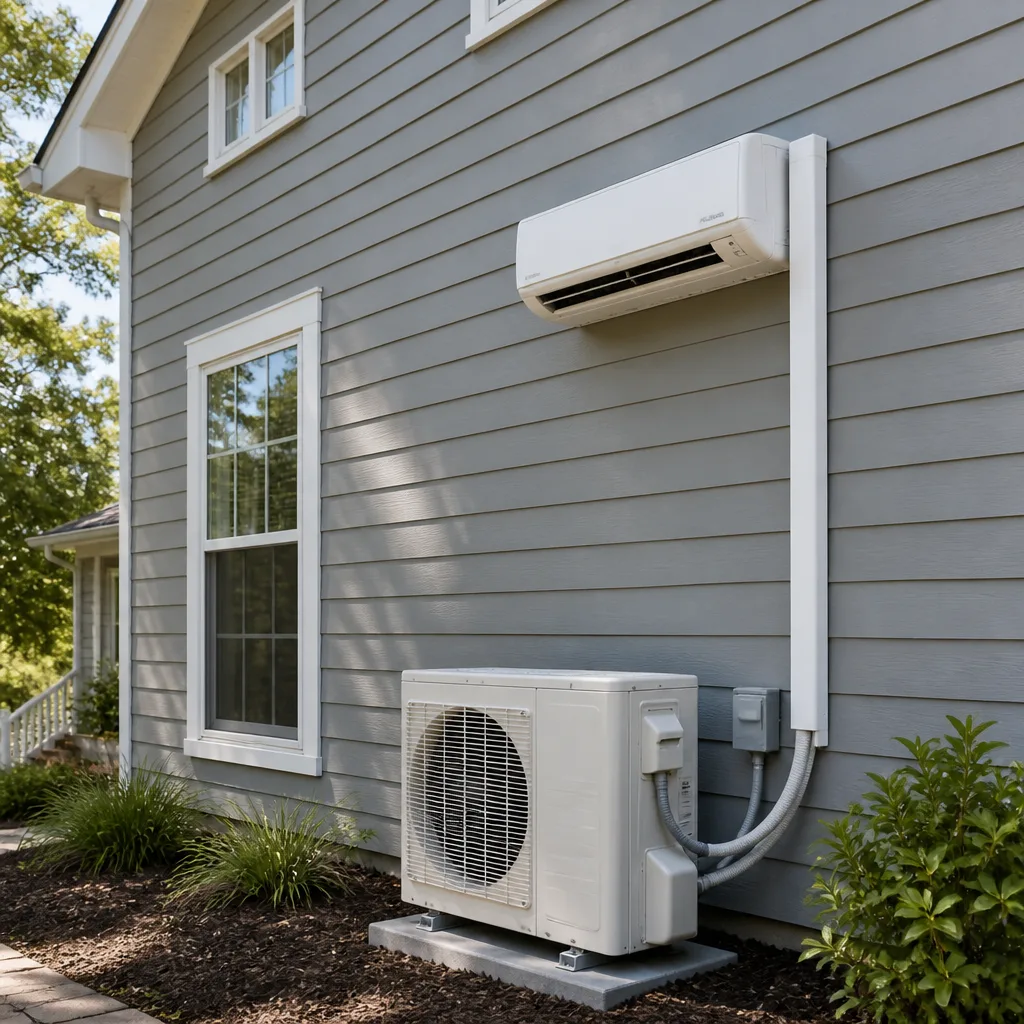 Ductless mini splits
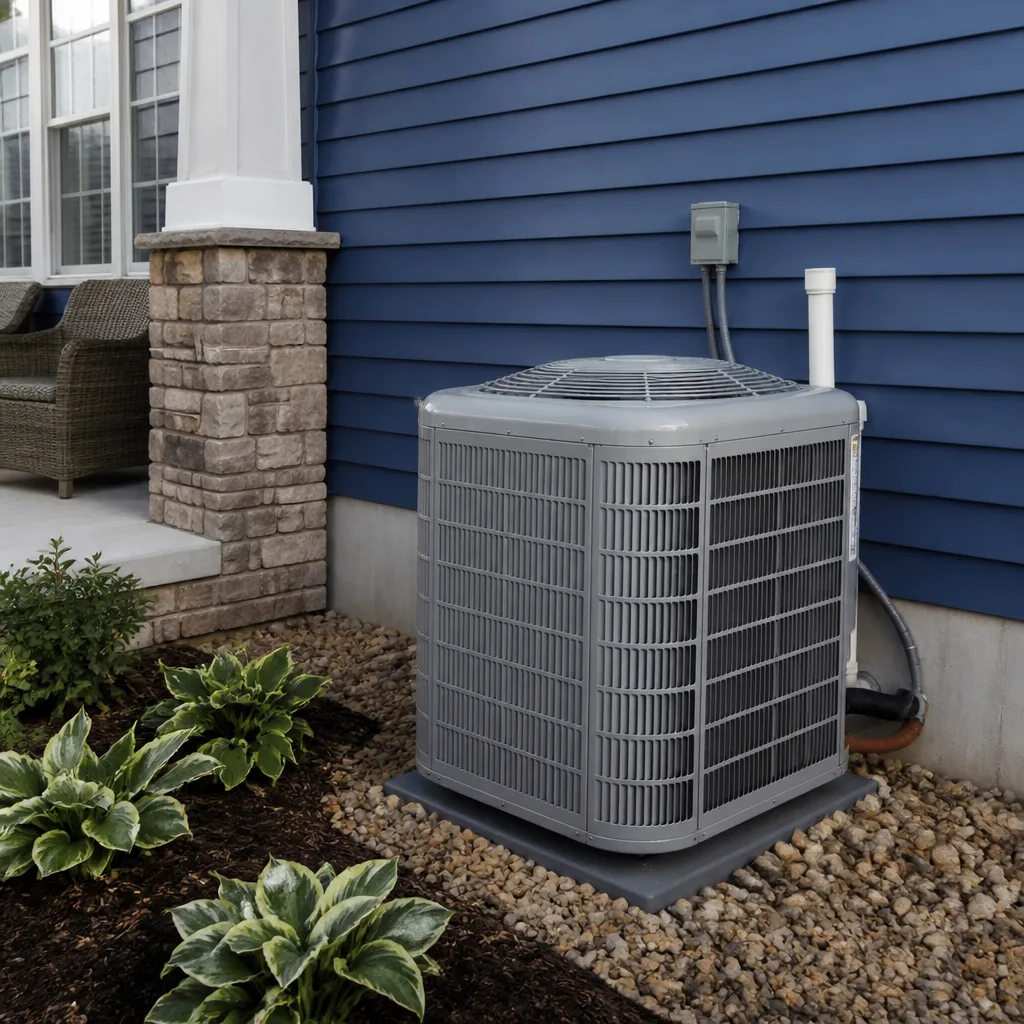 Carrier
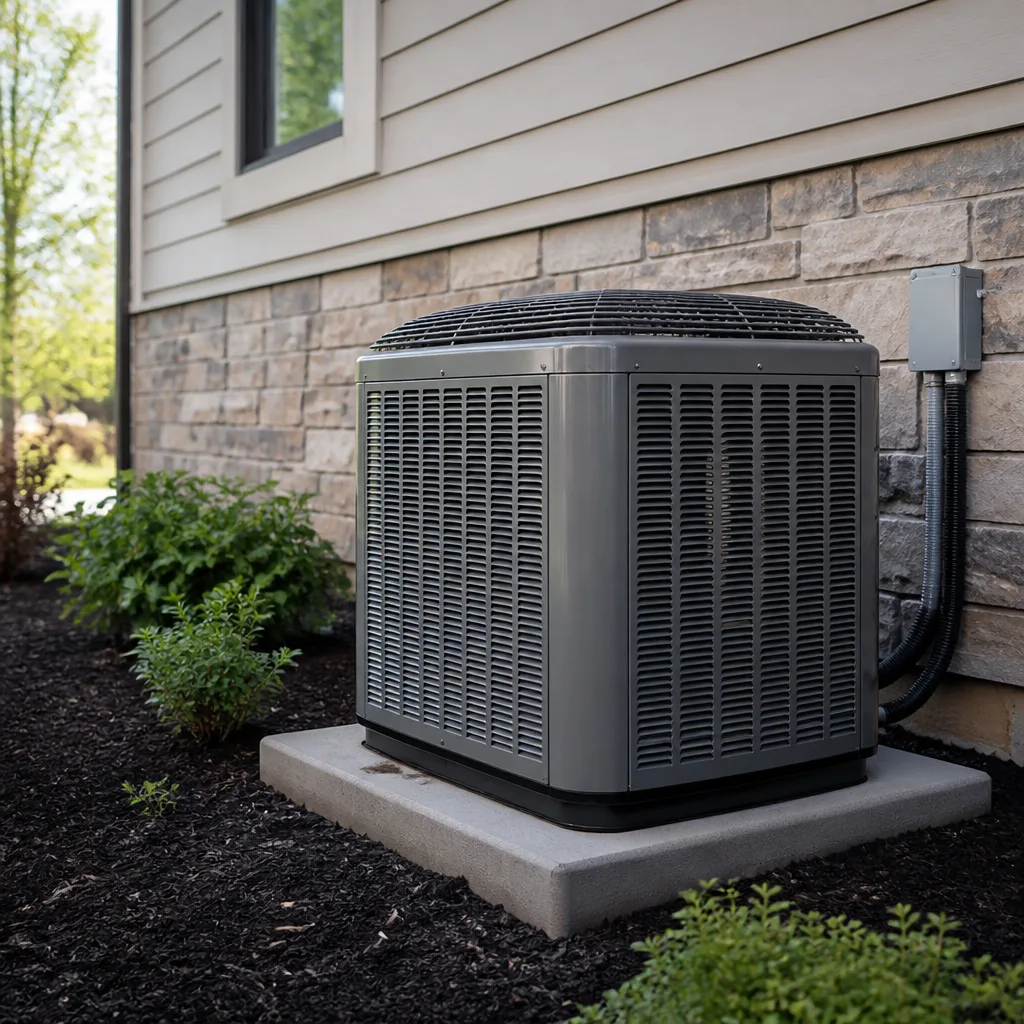 Trane
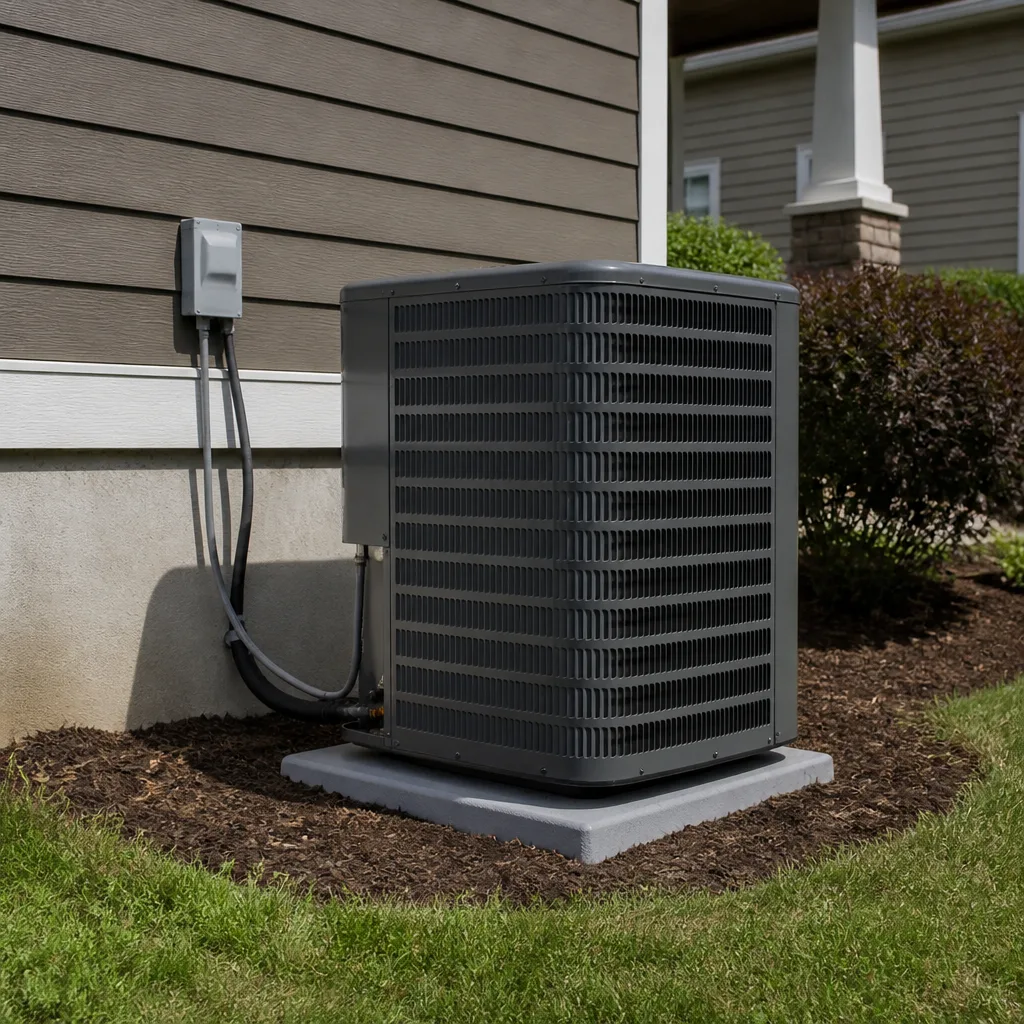 Goodman
Seasonal tune-up and full diagnostic on your Carrier, Trane, or Goodman system - readings shown to you before any repair is proposed
Diagnosis first, numbers second - you approve the repair price before a single part goes in.
Get your free estimateHVAC Cost Breakdown: The Winchester Homeowner’s Reference for 2026
Most national cost guides quote the same range for an AC replacement: somewhere between $5,000 and $7,000. That number comes from a mild-climate market with a 3-ton unit and a short cooling season. It doesn’t describe Winchester. A correctly sized replacement for a 2,000 sq. ft. home here often starts around $8,500 before anyone touches the ductwork, because the desert load is heavier, the equipment has to work harder, and the labor market in the Las Vegas Valley sets its own rates. This guide breaks down where the money actually goes in Winchester, how to read a quote line by line, and what to check before you sign.
Quick Answer
A central AC replacement in Winchester typically runs $8,500 to $14,000 for equipment and labor on a properly sized system, with ductwork, line-set changes, and electrical upgrades adding to that figure. Repair costs generally fall between $180 and $650 depending on the component. The number that matters is the written, itemized estimate, because Winchester’s desert climate and the local labor market push real costs above most published national averages.
Styles & brands we work with
- AC installation
- Furnace & heating
- Heat pumps
- Ductless mini splits
- Carrier
- Trane
- Goodman
Table of Contents
- Why Winchester Homes Need Bigger Tonnage Than the Same Square Footage Elsewhere
- What Does AC Replacement Cost in Winchester in 2026?
- What Do Common AC Repairs Cost in Winchester?
- The Real Cost of Deferred Maintenance
- How to Parse a Contractor Quote Line by Line
- The SEER2 Math for Winchester’s Climate
- Financing, Cash, and Home Equity: How to Compare
- Common Mistakes to Avoid
Why Winchester Homes Need Bigger Tonnage Than the Same Square Footage Elsewhere
Two houses of identical size in different climates don’t need identical cooling capacity. A 2,000 sq. ft. home in a northern market might get by with a 2.5-ton system. The same footprint in Winchester often needs 3.5 to 4 tons, and sometimes more, because the cooling load here is driven by weeks of triple-digit heat and long sun exposure rather than a handful of warm afternoons. Tonnage determines equipment cost, and equipment cost is the largest line on any replacement estimate. That single difference explains most of the gap between the national averages and what homeowners here actually pay.
Sizing isn’t guesswork. A proper load calculation weighs square footage, window area and orientation, insulation levels, ceiling height, and the direction the house faces. A west-facing wall of glass in Winchester adds load that a north-facing house of the same size simply doesn’t carry. When a contractor sizes by rule of thumb (“about a ton per 500 square feet”), they’re skipping the calculation that decides whether your system keeps up in July or runs constantly and still loses ground.
What the sizing difference does to each cost line
- Equipment: A larger tonnage unit costs more than a smaller one from every manufacturer, whether it’s a Goodman, Rheem, York, or Daikin system.
- Refrigerant charge: Bigger systems hold more refrigerant, and the line-set length between the outdoor unit and the air handler changes the charge.
- Electrical: Higher-capacity equipment may need a dedicated circuit or a disconnect upgrade, which shows up as a separate line item.
- Ductwork: A system moving more air needs ducts sized to match. Undersized ducts on a correctly sized unit are a common cause of poor performance.
If you’re comparing quotes and one is thousands below the others, check the tonnage first. A contractor who quoted a smaller unit than the load calculation calls for has quoted a system that won’t hold temperature on the hottest days.
What Does AC Replacement Cost in Winchester in 2026?
A full central AC replacement in Winchester typically costs $8,500 to $14,000 for a correctly sized system with labor. Ductwork replacement, new line sets, and electrical work sit outside that range and can add several thousand more. The written estimate sets the final price, and any honest quote separates equipment from labor rather than bundling them into one number.
These typical ranges reflect the Winchester market and the desert load we size for:
- Base-tier 3-ton split system, equipment and labor: roughly $8,500 to $10,500
- Mid-tier 3.5 to 4-ton system with a higher-efficiency condenser: roughly $10,500 to $12,500
- Premium variable-speed or two-stage system, larger tonnage: roughly $12,500 to $14,000 and up
- Ductwork replacement or major sealing: roughly $2,000 to $5,500 depending on the number of runs and attic access
- New line set: roughly $400 to $900 depending on length and routing
- Electrical disconnect or circuit upgrade: roughly $300 to $800
- Permit: varies by jurisdiction; most cities require a permit for a system changeout, so confirm the fee with the building department and expect it as a line item
These are ranges, not quotes. Attic access, roof-mounted line routing, and how much of the old equipment has to be hauled out all move the figure. What you should insist on is a fixed, written price before work begins, with the equipment model and tonnage named on it.
What Do Common AC Repairs Cost in Winchester?
Most AC repairs in Winchester land between $180 and $650, with the final price set by the written estimate after diagnosis. Capacitors, contactors, and thermostat issues sit at the low end. Compressor and coil work sit at the high end. When a repair approaches half the cost of a replacement on an aging system, replacement becomes the better financial decision.
Common repair categories and typical ranges:
- Capacitor or contactor replacement: roughly $180 to $320
- Blower motor replacement: roughly $400 to $700
- Refrigerant leak search and recharge: roughly $250 to $600, more if the leak requires coil repair
- Condenser fan motor: roughly $350 to $600
- Evaporator or condenser coil replacement: roughly $900 to $2,000
- Compressor replacement: roughly $1,200 to $2,400, and often the point where replacement makes more sense
Every one of those figures depends on the brand and the part. We work on Carrier, Trane, Lennox, Goodman, Rheem, York, Daikin, Bryant, and American Standard equipment, so the technician isn’t guessing at your unit. For a repair quote specific to your system, see our AC repair page or call for a free estimate.
Repair or replace? A quick decision frame
- Add up the age of the system and the cost of the current repair.
- If the repair costs more than a third of a replacement and the system is near the end of its typical service life, replacement usually wins.
- If the system has had two or more major repairs in as many years, the pattern matters more than the single failure.
- If the repair is a compressor or coil on an older system, price the replacement before you commit.
- If the system is otherwise healthy and the failure is a capacitor or motor, repair it and keep going.
The Real Cost of Deferred Maintenance
A skipped coil cleaning or a slow refrigerant leak doesn’t save money. It borrows against the compressor. A dirty coil makes the system work harder to move the same heat, and a low refrigerant charge does the same while risking compressor damage from inadequate lubrication. Both accelerate the failure that ends in a replacement bill rather than a maintenance line item, and in Winchester’s heat, the compressor runs long enough each summer that the wear compounds faster than it would in a milder market.
What a maintenance visit actually catches:
- Dirty condenser and evaporator coils that force the compressor to run hotter and longer
- A refrigerant charge that’s drifting low, which points to a leak worth finding before it becomes a compressor failure
- Failing capacitors that would otherwise strand the system on a hot afternoon
- Clogged condensate drains, which in this climate can back up and cause water damage
- Duct leaks and disconnected runs that throw cool air into the attic instead of the living room
The arithmetic is straightforward: routine AC maintenance costs a fraction of a compressor replacement, and it’s the single best way to extend the life of equipment you’ve already paid for. Maintenance visits are designed to catch failures before peak-heat season rather than after. If you want a system checked before summer arrives, that’s the call to make.
How to Parse a Contractor Quote Line by Line
A quote that separates equipment, labor, refrigerant, and permits lets you compare bids fairly. A quote that bundles everything into one number hides where the money goes and makes it impossible to tell whether you’re being charged for a load calculation, a permit, or neither. Ask for the itemized version before you compare anything.
Here’s what a defensible Winchester quote should show as separate lines:
- Equipment: manufacturer, model number, tonnage, and efficiency rating of both the condenser and the air handler or coil. If the tonnage isn’t on the quote, ask for it in writing.
- Labor: removal and disposal of the old unit, installation hours, and any attic or roof access charges.
- Refrigerant and line set: whether the existing line set is reused or replaced, and how much refrigerant the charge includes.
- Electrical: disconnect, whip, and any circuit work, listed separately from the general labor line.
- Ductwork: what’s being sealed, repaired, or replaced, and how the contractor verified the ducts can handle the new system’s airflow.
- Permit: named as a line item with the fee, since most jurisdictions require one for a changeout.
- Load calculation: confirmation that the equipment was sized to the house, not to a rule of thumb.
When those lines are bundled into a single figure, ask for the breakdown. A contractor who can’t produce it is either guessing at the scope or hoping you won’t ask. Our AC installation quotes are itemized for exactly this reason, and the estimate is free.
The SEER2 Math for Winchester’s Climate
Higher efficiency pays back faster in Winchester than in most of the country, because the cooling season here is long and the equipment runs hard through it. A base-tier unit and a high-efficiency unit cost different amounts up front, and the question is how many cooling hours it takes for the efficiency premium to pay for itself in lower operating cost. In a mild climate that payback can stretch past the life of the equipment. Here, the hours add up faster.
How to think about the math without guessing at a number:
- Cooling hours matter more than square footage. The more hours your system runs each year, the more each point of efficiency is worth. Winchester’s long cooling season is the reason the premium on a higher-SEER2 unit is easier to justify here.
- Base tier makes sense when the unit runs less. A well-insulated, shaded home with modest run time may never recover the premium on a top-tier system.
- Variable-speed and two-stage equipment cost more and run longer at lower output. They can improve comfort and humidity control, but the payback depends on how the house is used and how it’s built.
- Duct losses can erase efficiency gains. A high-efficiency condenser on leaky ducts won’t deliver the rated performance. Fix the ducts before you pay for the premium equipment.
Ask the contractor to show you the efficiency difference between the two units you’re considering and to explain, in plain terms, how many hours of run time it would take to recover the premium. If they can’t, the comparison isn’t finished.
Financing, Cash, and Home Equity: How to Compare
Replacement is a large purchase, and the way you pay for it can cost more than the equipment itself. Manufacturer and contractor financing typically carries promotional terms with a defined window, followed by a standard rate if the balance isn’t cleared. A home equity line or loan usually carries a lower rate over a longer term, but it’s secured against your house. Paying cash avoids interest entirely but ties up money you may want liquid.
How to compare the three honestly:
- Get the full terms in writing. Ask for the rate, the term, the total of payments, and what happens if the promotional period ends with a balance remaining.
- Compare total cost, not monthly payment. A longer term lowers the monthly figure and raises the total. Multiply the payment by the number of payments.
- Check whether there’s a prepayment penalty. If you plan to pay it off early, that term matters.
- Price the home equity option separately. Ask your lender for the rate and closing costs before you decide, and remember it’s secured debt.
- Confirm what paperwork the contractor handles. The installer should be able to walk you through the financing application and any available efficiency paperwork without you chasing it down.
No single option is right for every household. The point is to compare total cost over the full term, not just the payment that fits this month’s budget. Our team can help you work through the options when you’re ready to schedule.
Common Mistakes to Avoid
- Comparing quotes without checking tonnage. Two bids that look different in price may be quoting systems of different capacity. Ask for the load calculation and the tonnage before you compare the bottom line, because a smaller unit that won’t hold temperature in Winchester’s July heat isn’t a bargain.
- Accepting a bundle with no breakdown. When labor, refrigerant, equipment, and permits are rolled into one number, you can’t tell what you’re paying for. Request the itemized version, every time.
- Skipping the load calculation. A rule-of-thumb sizing skips the window area, insulation, and orientation that determine your actual cooling load. A properly sized system is the foundation of every other cost decision.
- Ignoring ductwork until after the install. Leaky or undersized ducts can undermine a brand-new high-efficiency system. Have the ducts evaluated before the equipment is ordered, not after.
- Letting maintenance slide through the cooling season. A skipped coil cleaning or a low charge wears the compressor harder in this climate than in most. The cheap visit now is the expensive repair avoided later.
- Choosing equipment by brand loyalty alone. The right system is the one sized, installed, and serviced correctly for your house. Brand matters less than a correct install.
- Signing before the permit question is answered. Most cities require a permit for a system changeout. Confirm it’s pulled and listed on the quote, and ask your city’s building department if you’re unsure of the local rule.
See the difference
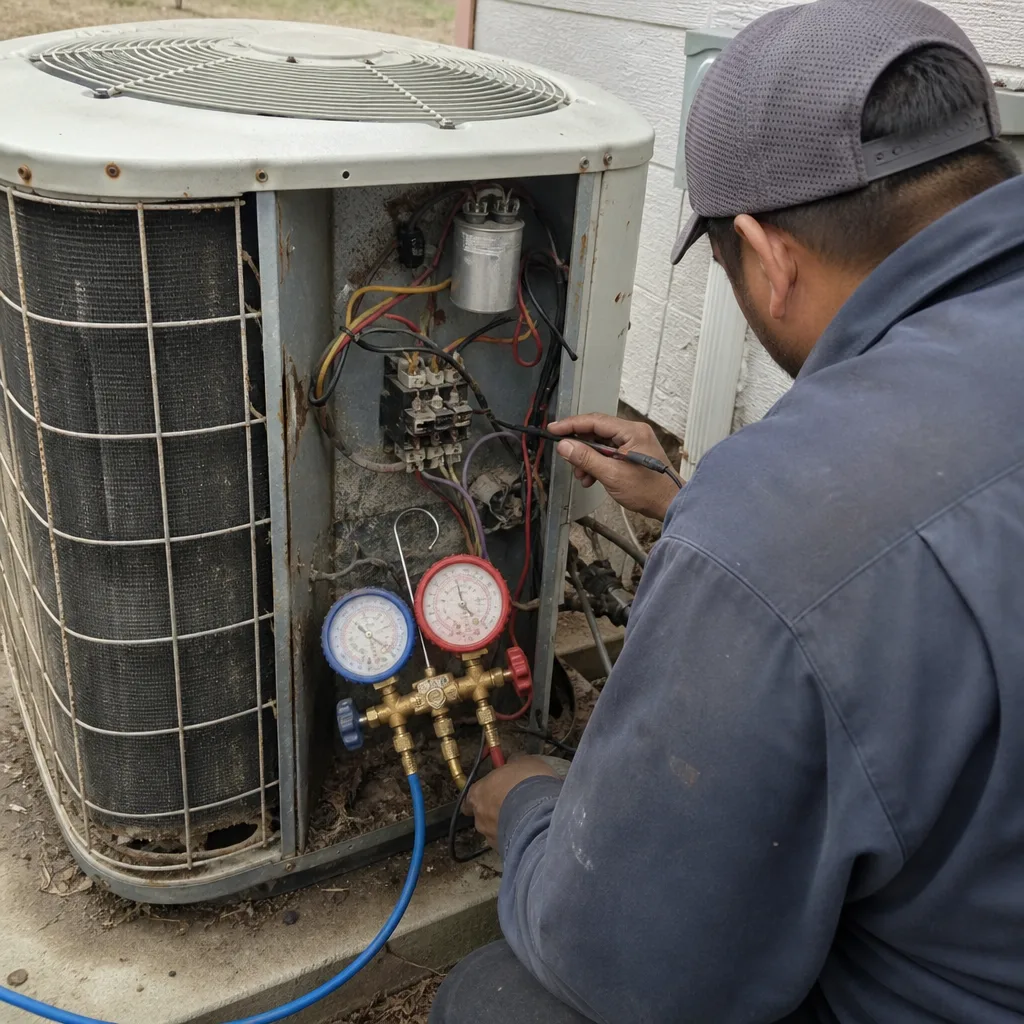 Before
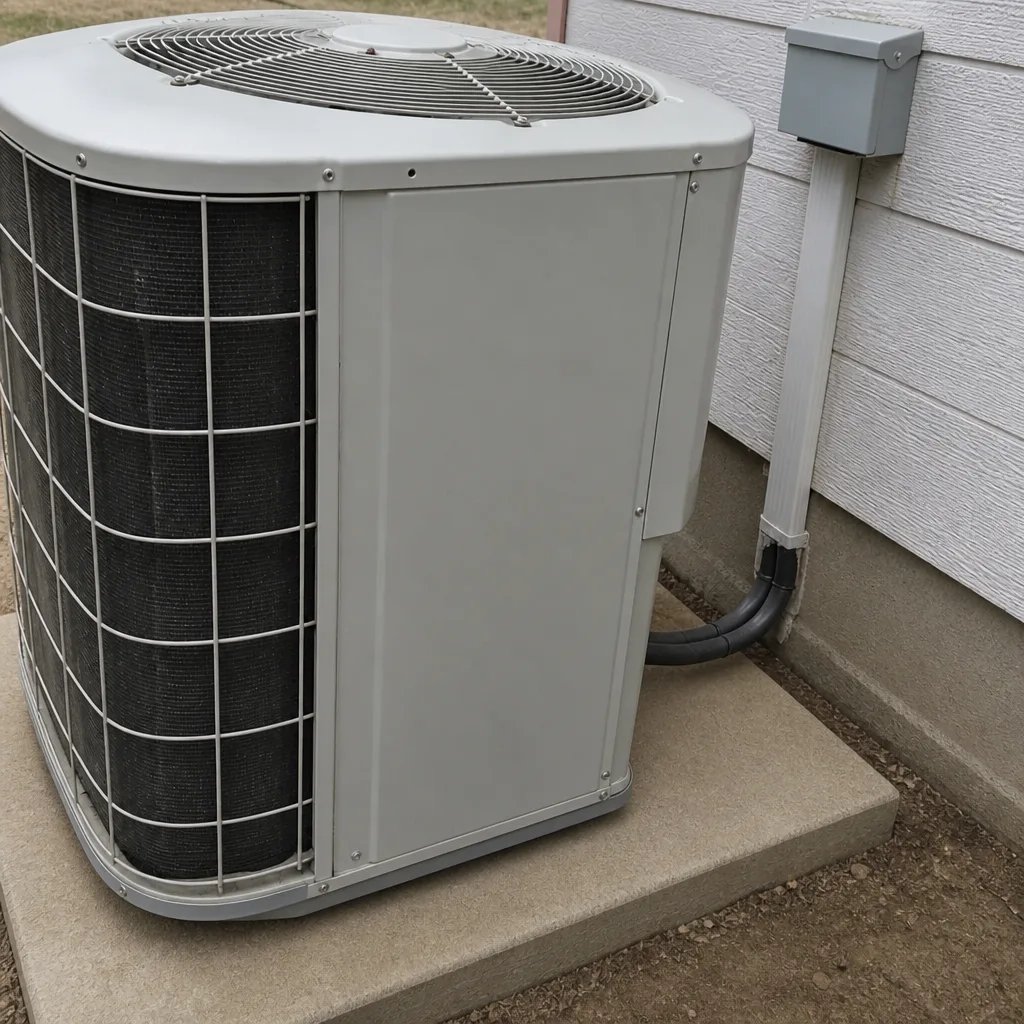 After
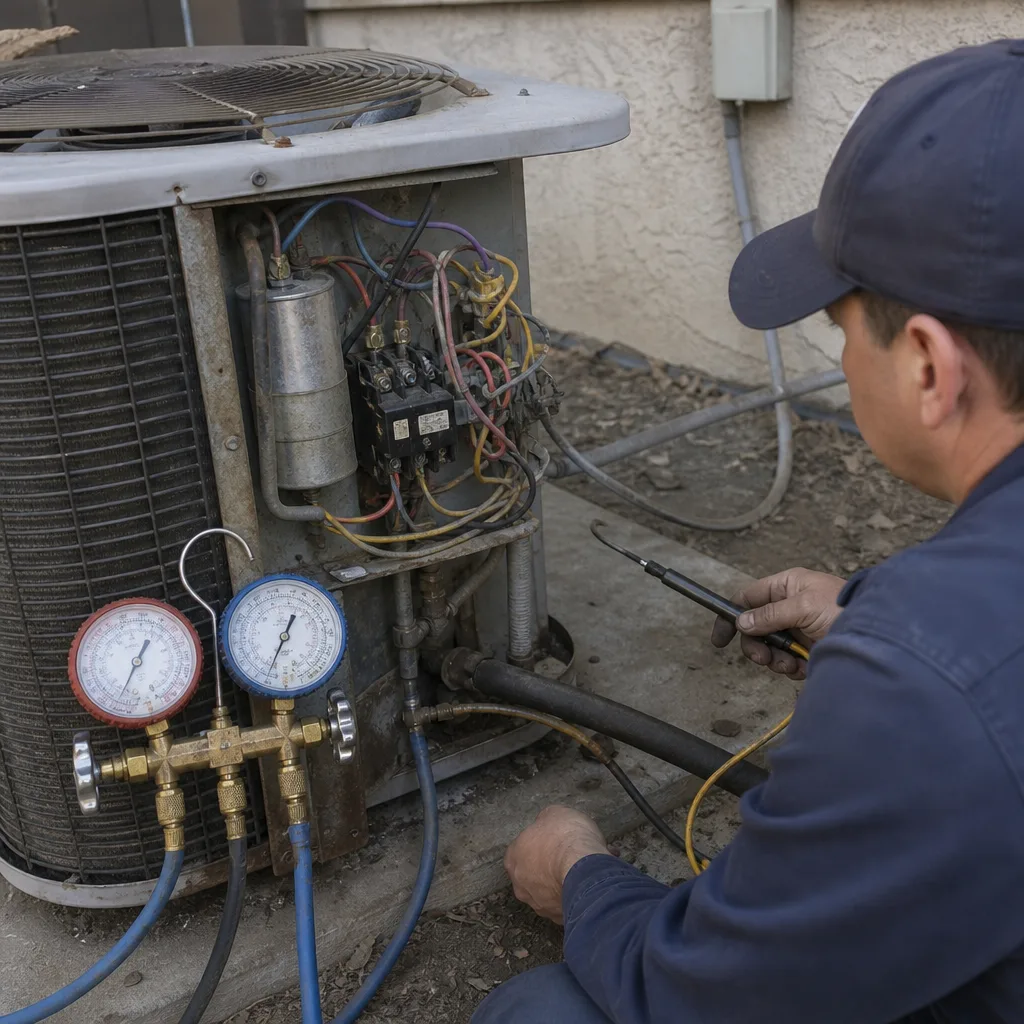 Before
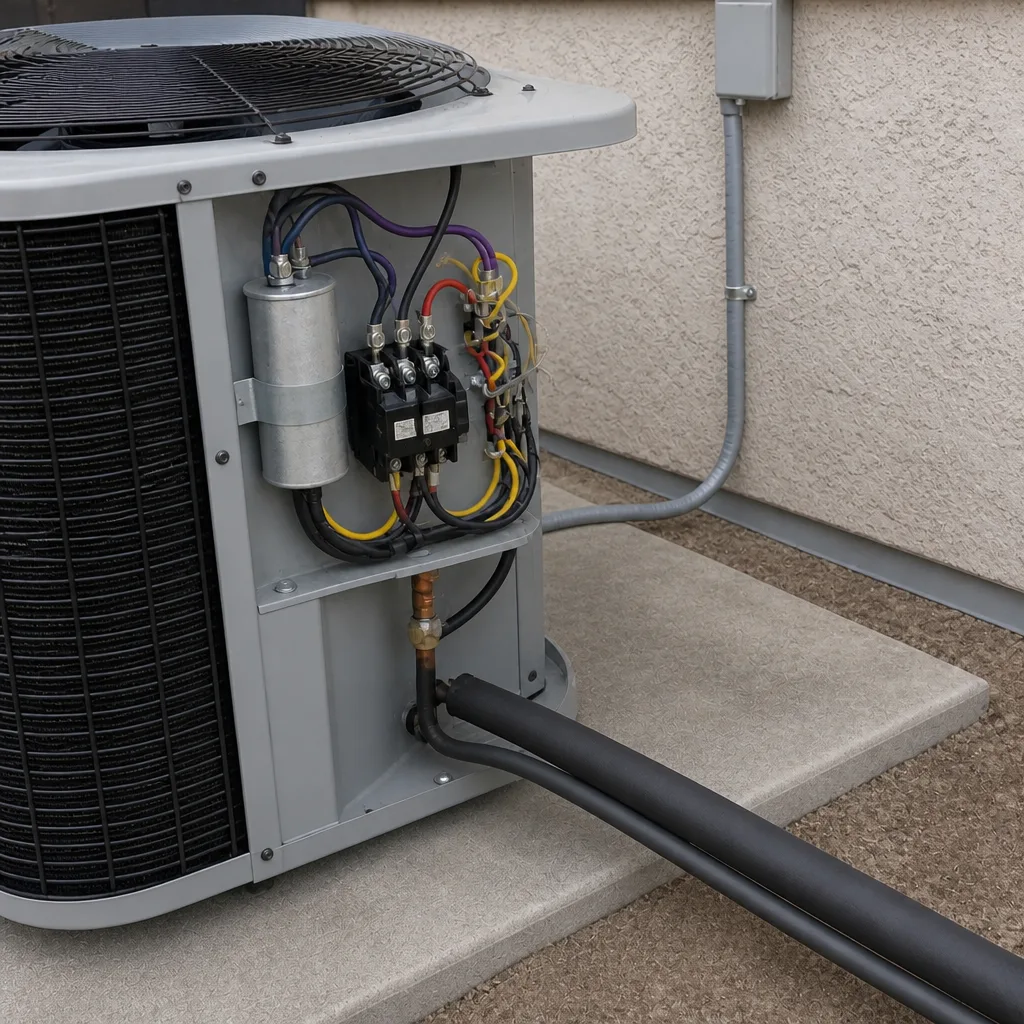 After
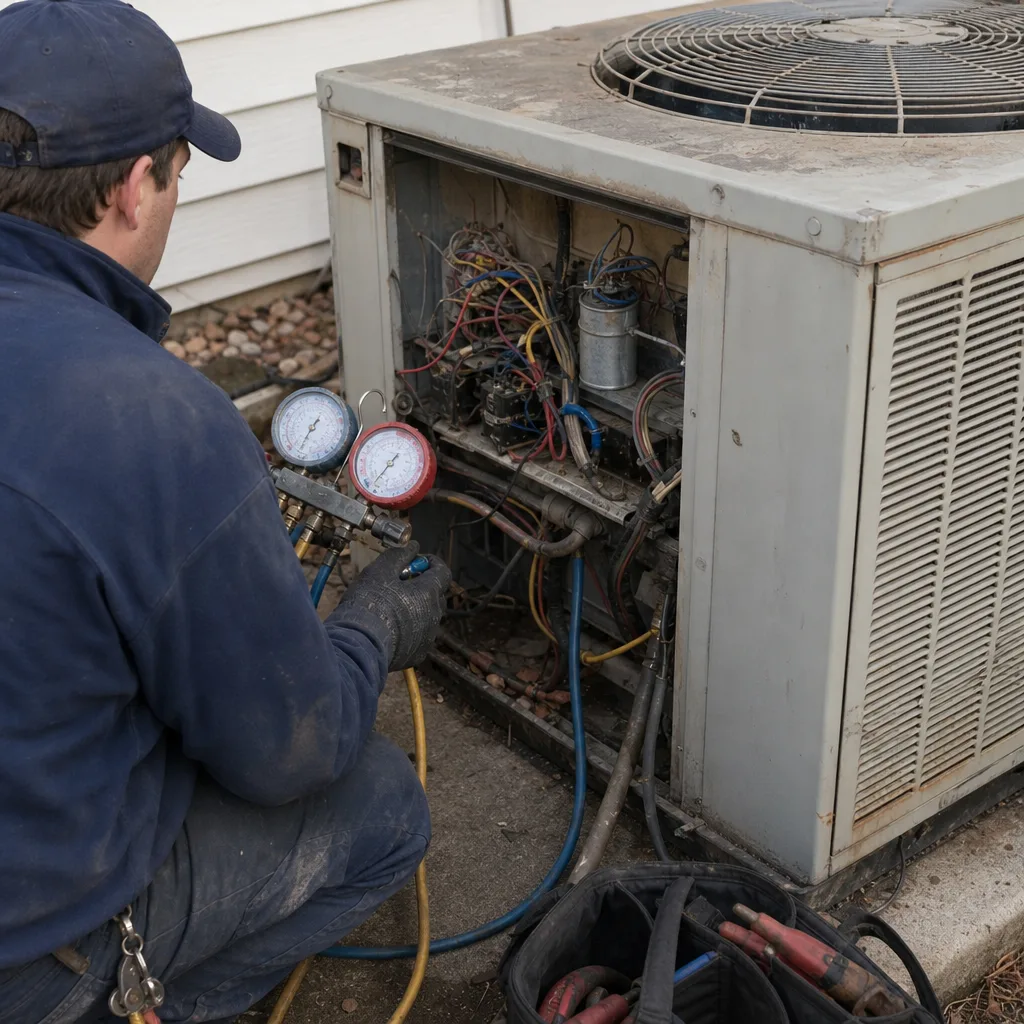 Before
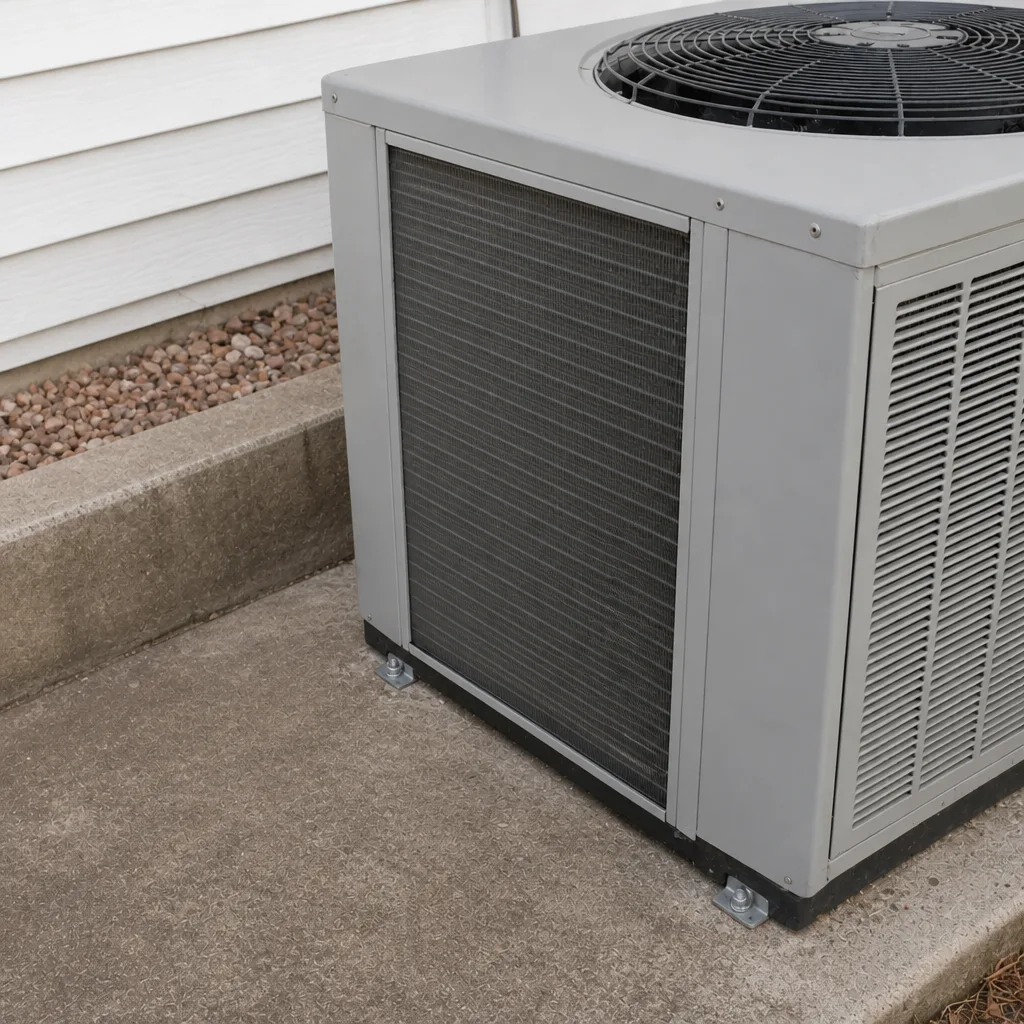 After
When to Call a Professional
Call a technician when the system stops holding temperature, when it runs constantly without cooling the house, when you hear clicking or humming from the outdoor unit, or when ice forms on the refrigerant lines. Those symptoms point to refrigerant, electrical, or compressor problems that get worse with run time and can turn a repair into a replacement. A refrigerant leak or an electrical fault isn’t something to troubleshoot yourself; both call for a trained professional. The same goes for anything involving the electrical panel or the disconnect. If your system is older and failing more than once a season, get it diagnosed before the next heat wave rather than after. Winchester AC Repair offers free estimates in Winchester. Call (888) 335-7951. We answer 24/7. Fast dispatch from 7am to 7pm, Sunday through Friday.
Frequently Asked Questions
A central AC replacement in Winchester typically runs $8,500 to $14,000 for a correctly sized system with labor, with ductwork and electrical work outside that range. The written estimate sets the final price, and the estimate itself is free. Call (888) 335-7951 for an exact quote.
Winchester homes usually need larger tonnage than the same square footage in a milder climate, and the local labor market sets its own rates. Both push real costs above the national ranges, which assume a smaller unit and a short cooling season. An itemized estimate is the only reliable way to know your number. Call (888) 335-7951 for a free one.
Same-day service is often possible during dispatch hours. We answer 24/7, and a call outside dispatch hours is booked into the next opening, Sunday through Friday, 7am to 7pm. Call (888) 335-7951 and we’ll find the earliest slot.
Repair usually wins when the system is otherwise healthy and the fix is a capacitor, motor, or similar part. Replacement makes more sense when the repair approaches a third of the replacement cost, the system is near the end of its service life, or it’s failed more than once in a season. Call (888) 335-7951 for a diagnosis and a written estimate on both paths.
We work on Carrier, Trane, Lennox, Goodman, Rheem, York, Daikin, Bryant, and American Standard equipment. That brand range means a technician arrives already familiar with your unit rather than troubleshooting an unfamiliar system. Our technicians have up to 13 years of experience. Call (888) 335-7951 to schedule.
Financing is commonly available through manufacturer and contractor programs, and we can walk you through the paperwork when you schedule an install. Rebate and incentive programs change, so ask about current options when you get your estimate rather than relying on an old figure. Call (888) 335-7951 to go over what applies to your job.
The Bottom Line
The national average for an AC replacement doesn’t describe Winchester. Desert tonnage requirements, a long cooling season, and the Las Vegas Valley labor market push real costs above published ranges, and the way to evaluate them is an itemized, written estimate that names the equipment, the tonnage, and the permit. Compare quotes on total cost and load calculation, not on the monthly payment alone. Repair the parts when the system is healthy, replace when the repair approaches the value of the equipment, and keep maintenance on the schedule that keeps the compressor alive through summer. That’s the frame that holds up.
Winchester AC Repair is your Winchester AC specialist for repair, installation, and maintenance across nine major brands. Our technicians have up to 13 years of experience, and we stay focused on cooling so every visit centers on your system. Call (888) 335-7951 for a free estimate. We answer 24/7, with fast dispatch from 7am to 7pm, Sunday through Friday.
Written by the team at Winchester AC Repair.