
Last updated November 18, 2026
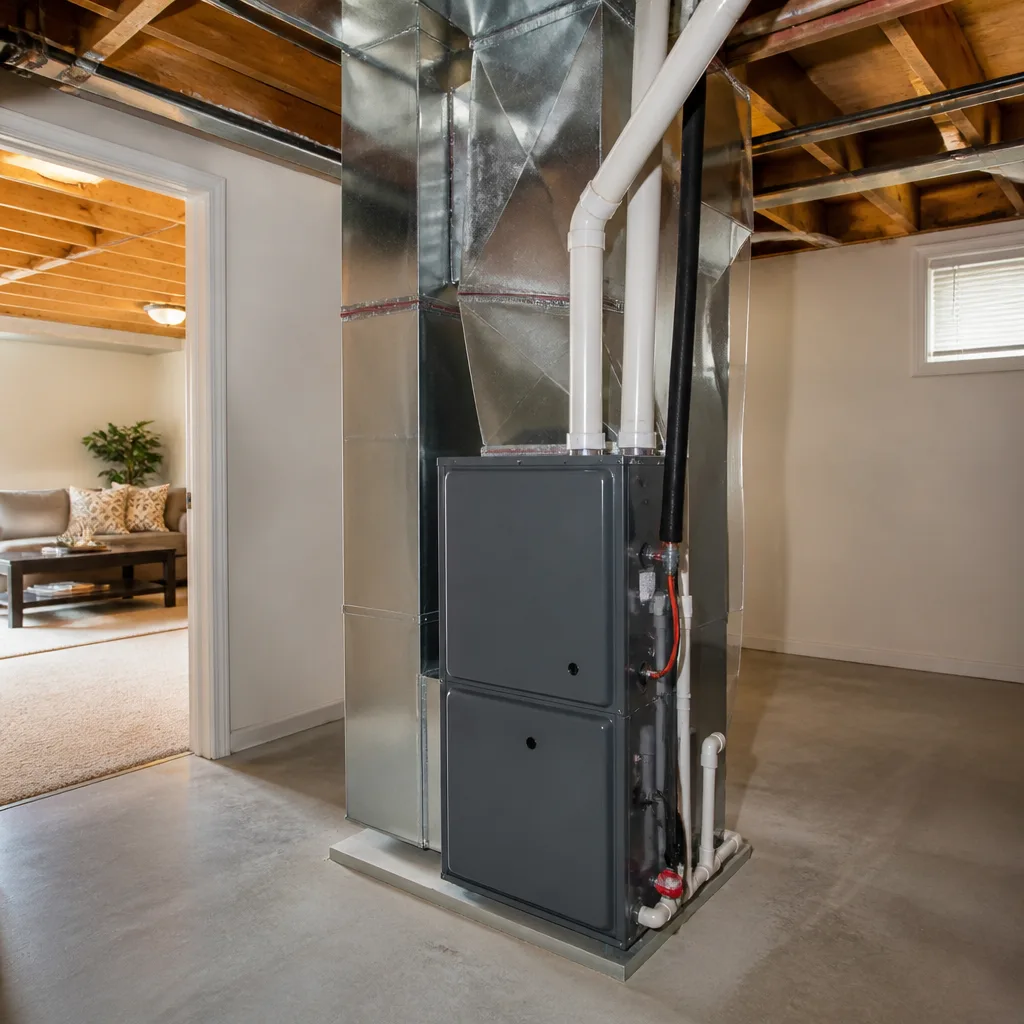 Furnace & heating
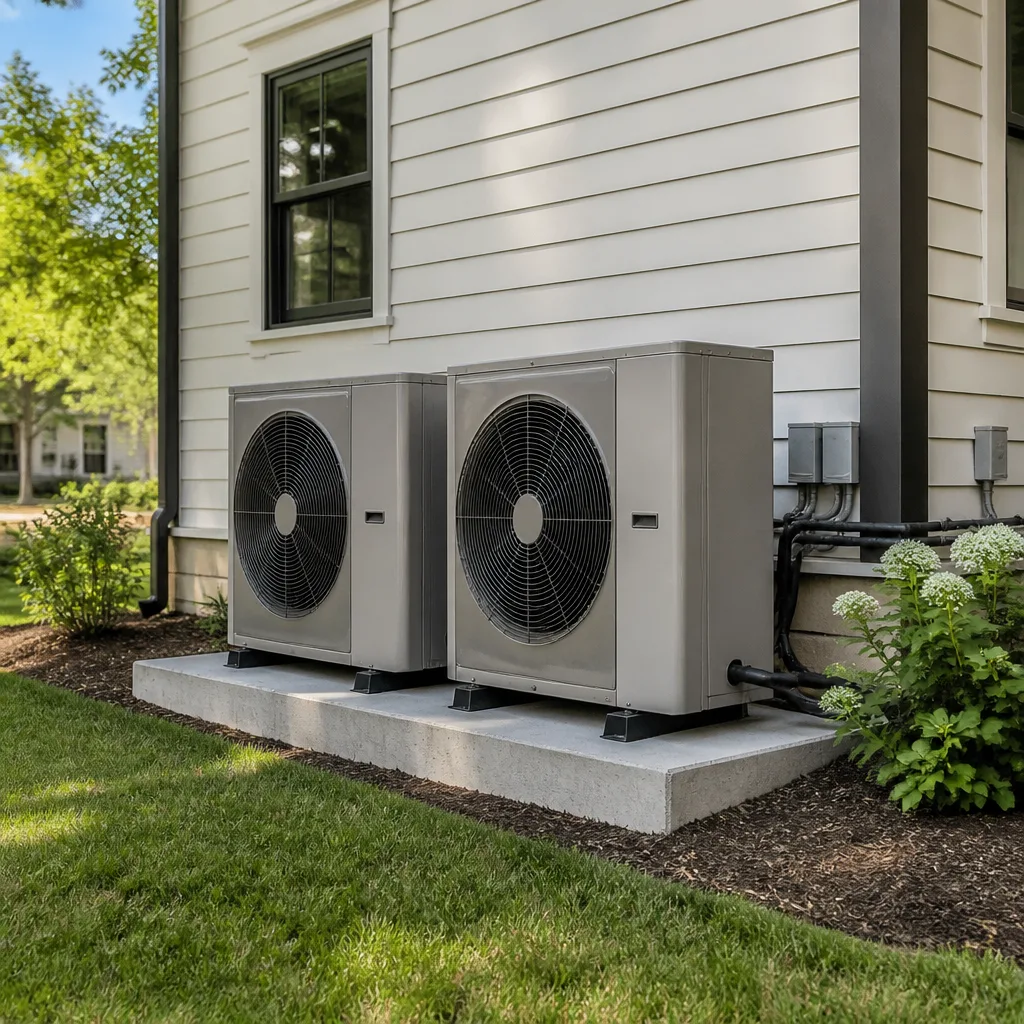 Heat pumps
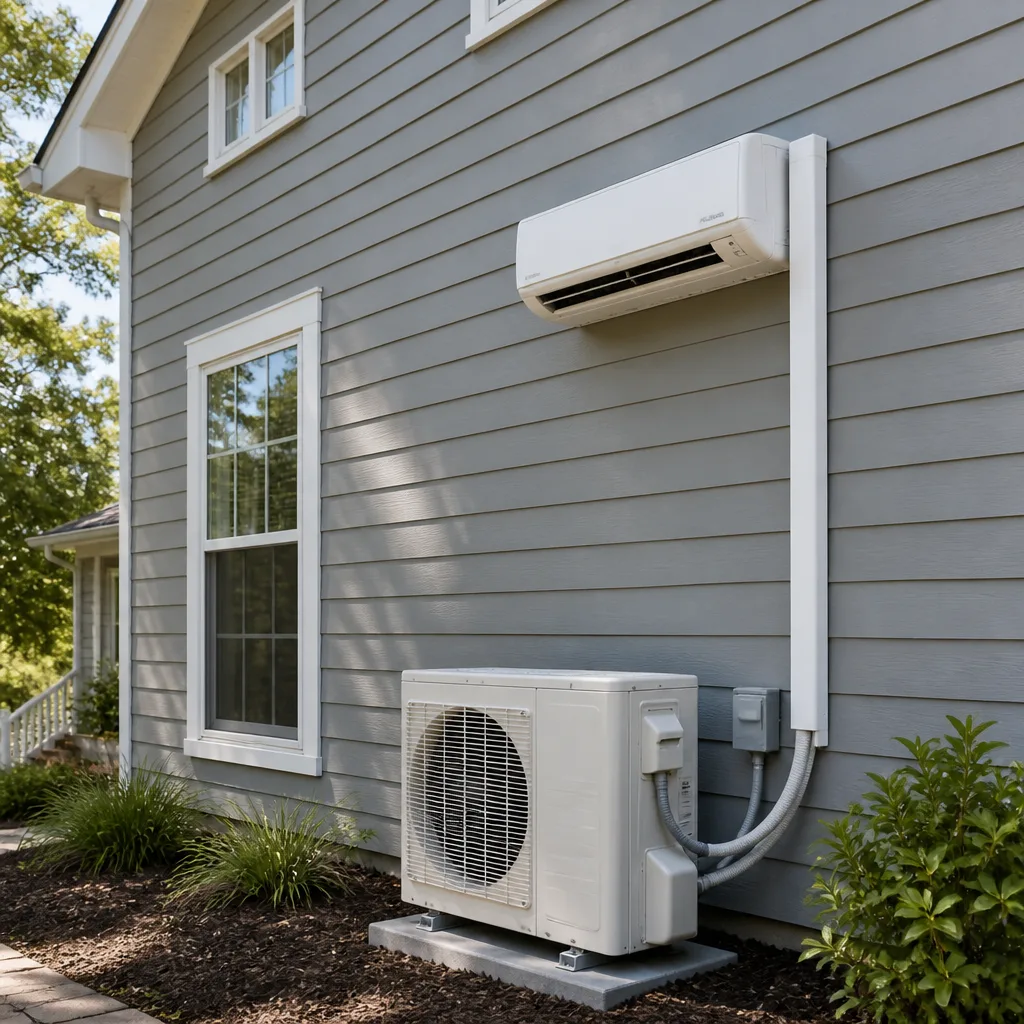 Ductless mini splits
 Carrier
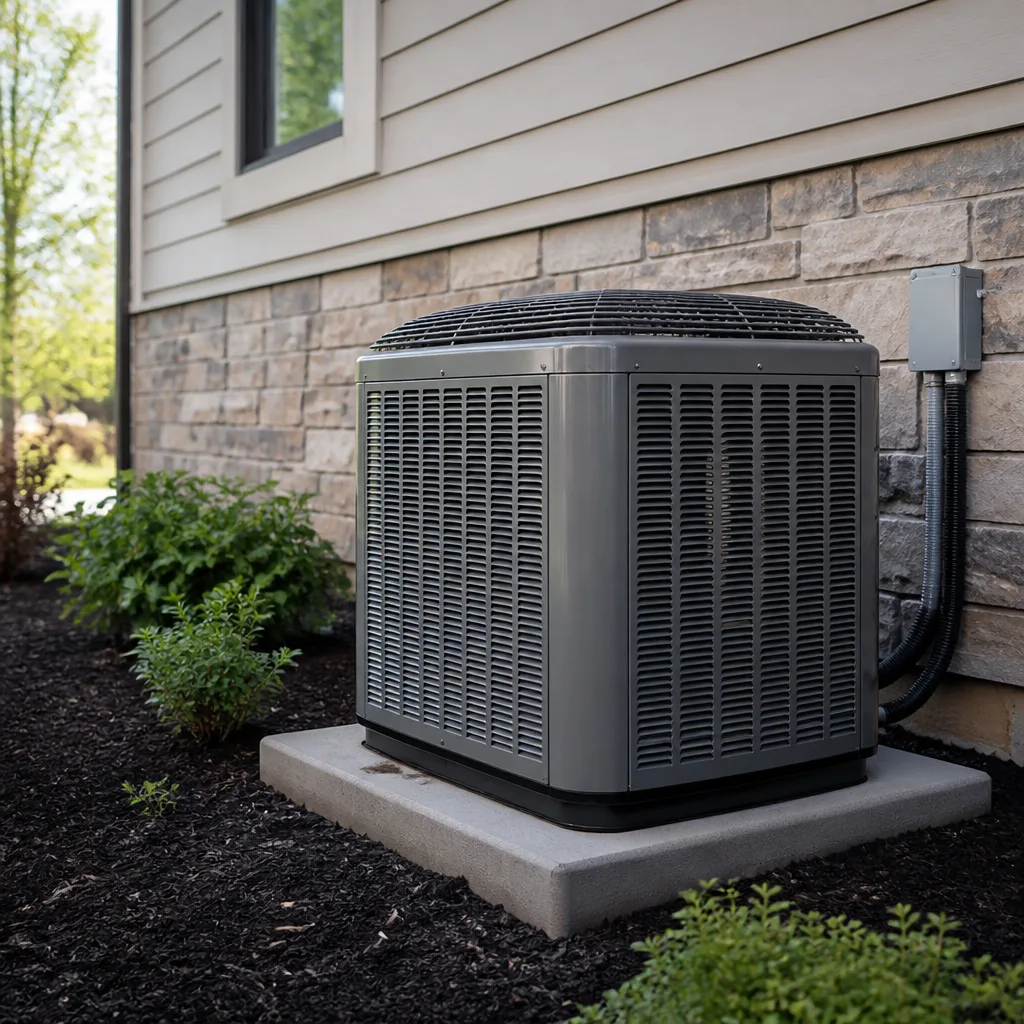 Trane
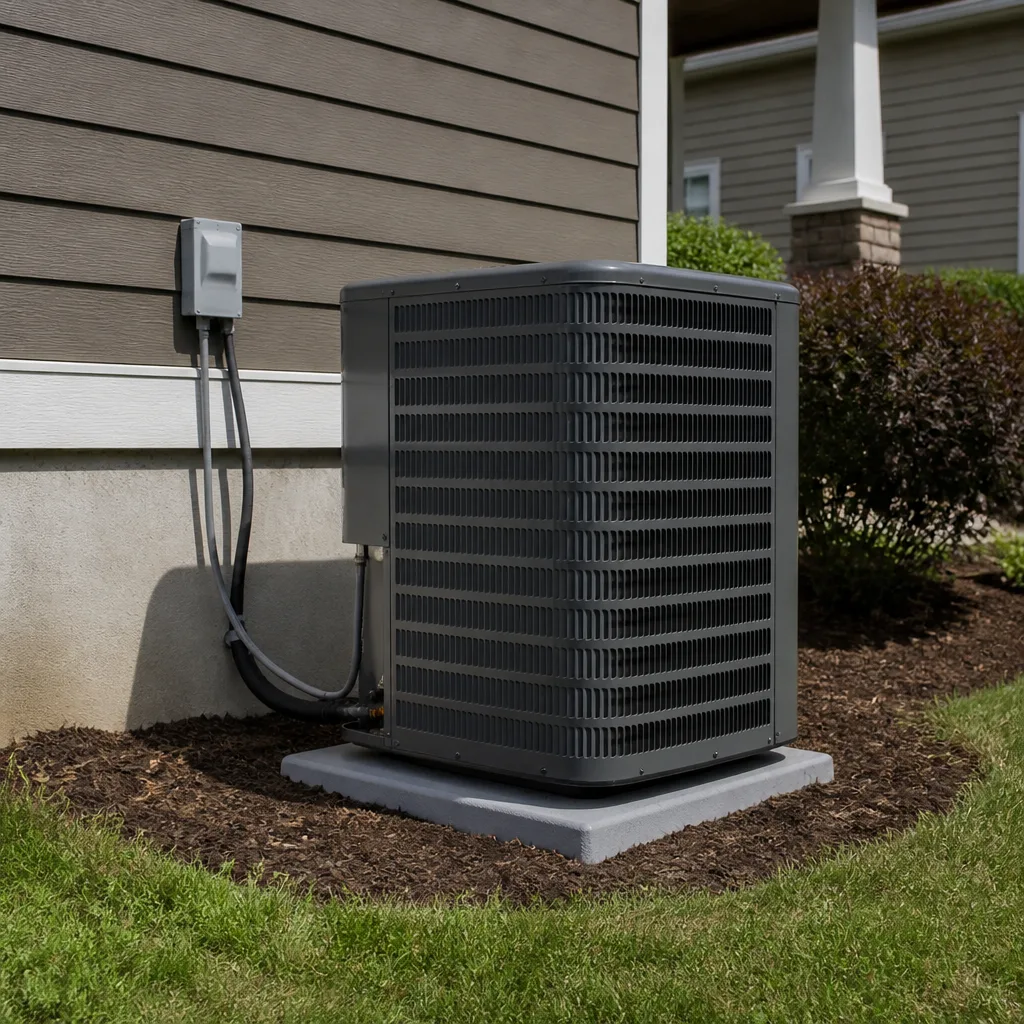 Goodman
Seasonal tune-up and full diagnostic on your Carrier, Trane, or Goodman system - readings shown to you before any repair is proposed
Diagnosis first, numbers second - you approve the repair price before a single part goes in.
Get your free estimateHVAC Warning Signs: A Winchester Homeowner’s Reference Guide
The most expensive AC failure in Winchester isn’t a sudden breakdown. It’s the slow compressor decline that homeowners attribute to summer heat for two seasons before the unit finally dies, taking the condenser and refrigerant charge with it. Heat is supposed to feel relentless here, so a system that runs longer and cools less gets written off as “normal for Winchester.” It usually isn’t. A system that’s failing tells you long before it quits, through sounds, frost patterns, run times, and even your power bill. This guide teaches you to read those signals, distinguish real trouble from ordinary desert-heat behavior, and know exactly when to call for AC repair.
Quick Answer
The warning signs that matter most are longer run times that don’t cool the house, warm air from vents, unusual sounds (hissing, squealing, chattering), frost on refrigerant lines, oil streaks near connections, and power bills that jump without a rate increase. In Winchester these are early-failure indicators worth a professional look, not quirks to live with. Catching them early is the difference between a repair and a full system replacement.
Styles & brands we work with
- AC installation
- Furnace & heating
- Heat pumps
- Ductless mini splits
- Carrier
- Trane
- Goodman
Table of Contents
- Run-Time Extension: Normal Heat vs. a Failing System
- What the Sounds Actually Mean
- Why Your Vents Blow Warm Air (It’s Rarely the Thermostat)
- Your Electricity Bill as an Early-Warning Signal
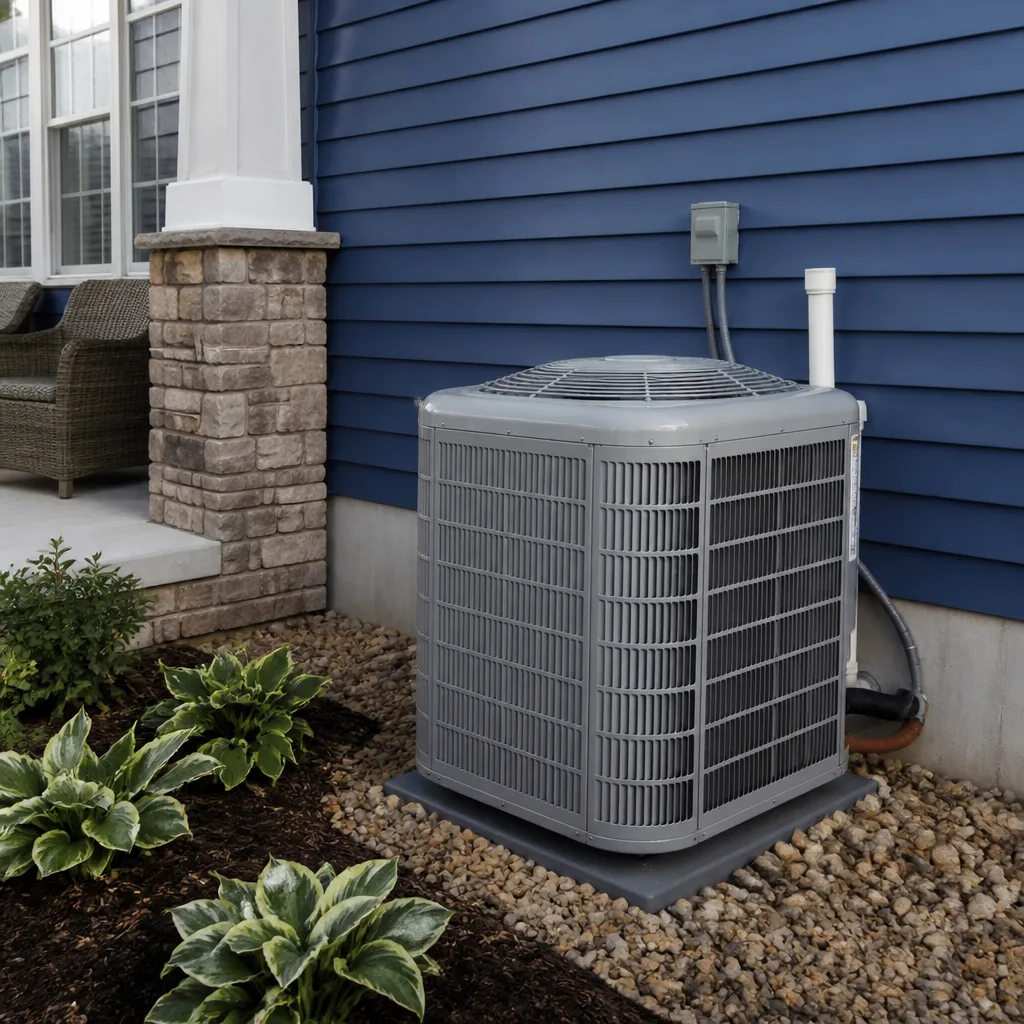
- Visual Signs on and Around the Condenser
- Why Brand Familiarity Changes the Diagnosis
- Common Mistakes to Avoid
- When to Call a Professional
Run-Time Extension: Normal Heat vs. a Failing System
A longer run time on a 110°F day in Winchester is normal. Your system is fighting a bigger temperature gap than it ever faces in spring, and it will cycle less because of it. The question isn’t whether it runs longer, it’s whether the run time matches the cooling. That’s the distinction homeowners miss.
Here’s the test that separates the two. Ask yourself two things on the same hot afternoon: how long the system runs, and whether the house actually reaches the thermostat setpoint. A healthy system runs longer and still gets there. A failing system runs longer and never does. If you’ve pushed the thermostat down and the house plateaus two or three degrees short of target, the run time is a symptom, not the heat.
Two failure modes drive that pattern most often in Winchester:
- Low refrigerant charge. When the system is undercharged (or leaking), the compressor works harder and longer to pull down the same air, and the cooling capacity drops. You see extended run times paired with weak cooling and a system that never quite satisfies the thermostat.
- A failing run capacitor or contactor. The capacitor helps the compressor and fan motor start and keep running. As it weakens, the system strains to start and may short-cycle or run inefficiently. These are common, relatively inexpensive parts, and a weak capacitor is one of the reasons a system “feels tired” before it fails outright.
What keeps a run-time problem from being an easy call is that desert heat masks both of them. Homeowners reasonably assume a system that runs all afternoon is doing its job. The home test is simple: compare run time against results. If the house keeps up, the run time is climate. If it doesn’t, it’s the equipment. When run times climb and the cooling can’t keep pace, that’s when a technician’s gauges and meter tell you in minutes what an afternoon of guessing can’t. Call (888) 335-7951 to get it looked at before a weak component becomes a dead compressor.
What the Sounds Actually Mean
Your system makes some sound in normal operation, and that’s fine. What matters is a sound that’s new, or one that’s getting louder. Three sounds tell you three different things, and they carry different urgency.
The refrigerant hiss
A hiss, or a high-pitched whistle that comes and goes, often points to a refrigerant leak or a restriction in the lines. It can also come from airflow forced through a tight duct or a partially closed register, so the location matters: a hiss from the indoor unit or near the refrigerant lines is worth a call. A hiss alone isn’t the emergency; it’s a strong reason to have the charge and lines checked before the compressor runs short on refrigerant.
The bearing squeal
A squeal or a grinding whine usually comes from a failing blower motor bearing or the condenser fan motor. These parts wear, and as the bearing degrades it can seize. Left alone, a seized motor can overheat and, in some cases, damage the motor windings or the fan blade assembly. A persistent squeal from the indoor blower or the outdoor fan is a call-soon signal, not a run-it-into-the-ground one.
The contactor chatter
A rapid clicking or chattering from the outdoor unit is the sound of a contactor struggling to hold. It can mean the contactor is failing, the control voltage is off, or the capacitor is weak. Chatter left unaddressed can lead a compressor to short-cycle repeatedly, and short-cycling is hard on the compressor. This is the one to call about immediately. A hard-starting, chattering outdoor unit should be shut off and checked. If the system is chattering right now, shut it down at the thermostat and call (888) 335-7951. We answer 24/7.
Here’s the practical ranking:
- Contactor chatter or a unit that won’t stay running: shut off and call now.
- Persistent bearing squeal or grinding: call soon, before the motor seizes.
- A hiss near the refrigerant lines: schedule a check before the charge is compromised.
Why Your Vents Blow Warm Air (It’s Rarely the Thermostat)
When warm air comes out of your vents on a hot Winchester afternoon, the instinct is to blame the thermostat. It’s almost never the thermostat. The thermostat is the messenger; the failure is usually upstream in the equipment or airflow.
Two causes account for most of it, and both are worth checking first:
1. Low refrigerant or a leak
If the system is low on refrigerant, the evaporator coil can’t absorb heat the way it should, and the air leaving the vents comes out tepid instead of cold. You may also see frost on the lines (more on that below) or hear the hiss. The system runs and runs, but the cooling never arrives. Refrigerant isn’t something that gets “used up” in normal operation. If the charge is low, it leaked somewhere, and the leak itself needs to be found rather than just topped off.
2. Airflow restriction or a frozen coil
If the airflow over the indoor coil is choked, the coil can freeze. A dirty filter, a blocked return, or a failing blower can cause this. Once the coil ices over, cooling collapses and the vents blow warm until it thaws. You can check the filter yourself in about a minute, that’s the safe DIY check. A frozen coil, restricted return, or failing blower calls for a technician.
One thing that is sometimes the thermostat: a system set to “fan on” instead of “auto” blows air continuously, so when the compressor cycles off you feel warmer air moving. Set it to “auto” and see if the problem persists. If it does, it’s the equipment. Warm air across every vent, all afternoon, is a system problem in Winchester, and the sooner it’s diagnosed, the less strain it puts on the compressor. That’s a solid reason to book a diagnostic.
Your Electricity Bill as an Early-Warning Signal
Your power bill is the quietest warning sign, and often the first. A failing system draws more current to do the same work, so before you notice a sound or a warm vent, you may notice the bill. In Winchester, where summer cooling dominates the bill, a jump that isn’t explained by rate changes or a heat wave is a signal worth reading.
How to read it correctly:
- Compare like months. Look at this July against last July, or this summer’s monthly pattern against last summer’s, so weather and rates are held roughly constant.
- Deduct known changes. A new appliance, a houseguest, or a rate increase explains some of it. If the jump survives those explanations, look at the AC.
- A bill that climbs two summers in a row while the house cools worse is the slow-decline pattern that quietly ages a compressor.
We’ve seen this in our work: homeowners call about a bill, not a breakdown, and the diagnostics find a weakening capacitor or a charge issue that’s been quietly dragging efficiency down. A rising bill on its own doesn’t confirm a failure, but it’s a legitimate reason to have the system checked. Finding a weak part before peak heat is cheaper than replacing a compressor in August. If the bill and the cooling both look off, it’s time for a look.
Visual Signs on and Around the Condenser
You can learn a lot from thirty seconds at the outdoor unit, and you don’t need tools. Check these three things.
Frost on the refrigerant lines
Frost on the large insulated line, or ice on the indoor coil, points to a charge issue or an airflow problem. A little condensation is normal; a line that’s frosted white is not. Frost means the system is running colder than it should on the refrigerant side, and continuing to run it that way stresses the compressor. Turn it off and have it checked.
Oil streaks
An oily, dark residue near a valve, fitting, or braze joint is a strong indicator of a refrigerant leak. Refrigerant carries lubricating oil with it, so when it escapes, the oil leaves a stain. The streaks can be faint, so look closely around the connections. Oil where oil shouldn’t be is a leak sign worth a technician’s eyes.
Bent or crushed fins
The thin aluminum fins on the condenser coil move heat out of the refrigerant. When they get bent, crushed, or packed with dust, airflow through the coil drops and the system runs hotter and harder. Fins bend easily from a stray branch, a weed trimmer, or just age. Minor bends are cosmetic; crushed or clogged sections reduce capacity. You can rinse light dust off the coil carefully from the outside with a garden hose, but leave coil cleaning that involves the fins or disassembly to a technician. Never reach into the unit; capacitors hold a charge and the fan can start without warning.
These three checks are our favorite because they cost nothing and they tell a real story. Frost, oil, and bent fins are the outdoor unit’s version of an early warning light.
Why Brand Familiarity Changes the Diagnosis
The brand on your unit matters less than the technician’s familiarity with it, but both matter. Every major manufacturer has quirks in how its controls, capacitors, and refrigerant circuits are set up. A technician who has worked on your equipment before reads a symptom faster, and reads it more accurately, than one seeing the design for the first time. We’re factory-familiar with nine major AC brands, including Rheem, York, Daikin, and Bryant, so when we hear chatter or see a frost pattern, we know where to look first for your specific unit.
That matters at the moment of diagnosis. A generalist splitting attention between plumbing, heating, and cooling may not recognize the difference between a York quirk and a York failure quickly. An AC-only specialist, working the same cooling systems day after day, does. It also means you aren’t pushed toward a replacement or a specific brand because that’s the only one on the truck. Repair, install, or maintain, the recommendation follows the equipment, not the inventory.
You can read more about our approach on the main Winchester AC Repair page, including AC installation if a decline has gone past repair. And if you’re trying to place the service area, our Winchester page fills in the local picture.
Common Mistakes to Avoid
- Assuming longer run times are just the heat. In Winchester, heat does extend run times, but a system that runs longer and never reaches setpoint is the warning sign. Judge run time against results, not by itself.
- Topping off refrigerant without finding the leak. Refrigerant doesn’t get consumed in normal operation. If it’s low, it leaked, and a top-off without a leak search just delays the same problem.
- Ignoring a chattering or hard-starting outdoor unit. That sound is the compressor straining, and short-cycling from a failing contactor or capacitor is hard on the most expensive part in the system. Address it early.
- Never checking the filter. A dirty filter chokes airflow and can freeze the coil, which then mimics bigger failures. It’s the cheapest check and the easiest to skip in a busy summer.
- Blaming the thermostat for warm air. Set it to “auto” once to rule out continuous fan mode, then look to refrigerant charge and airflow, where the real cause almost always lives.
- Waiting for a complete breakdown. A slow decline doesn’t announce itself. In a climate that stresses cooling equipment for months, catching a weak part before peak heat is the whole point of reading the signs.
- Rinsing the condenser while it’s powered. Before you clear grass clippings or dust off the outdoor unit, shut off power at the breaker. The fan and capacitor don’t care that you’re being careful.
When to Call a Professional
Call a professional when the signs cross from “one thing feels off” to “something is failing.” That means a chattering or hard-starting outdoor unit, a persistent squeal or grinding, frost on the refrigerant lines, oil streaks near a fitting, a coil that freezes, warm air across every vent, or a power bill that climbs with no explanation while cooling drops. Any one of these is reason enough. Two together is a strong signal. The stakes in a Winchester summer are health, not just comfort: a system failing during peak heat leaves a house without cooling when it’s needed most. Some things are safe to check yourself: the filter, the thermostat mode, a visual look at the condenser. Refrigerant, electrical parts, and compressor diagnostics are not. That work belongs to a trained technician. If a sign on this list is showing, shut off at the thermostat when the sound or frost points to the compressor side, and call (888) 335-7951 for a free estimate. We answer 24/7.
See the difference
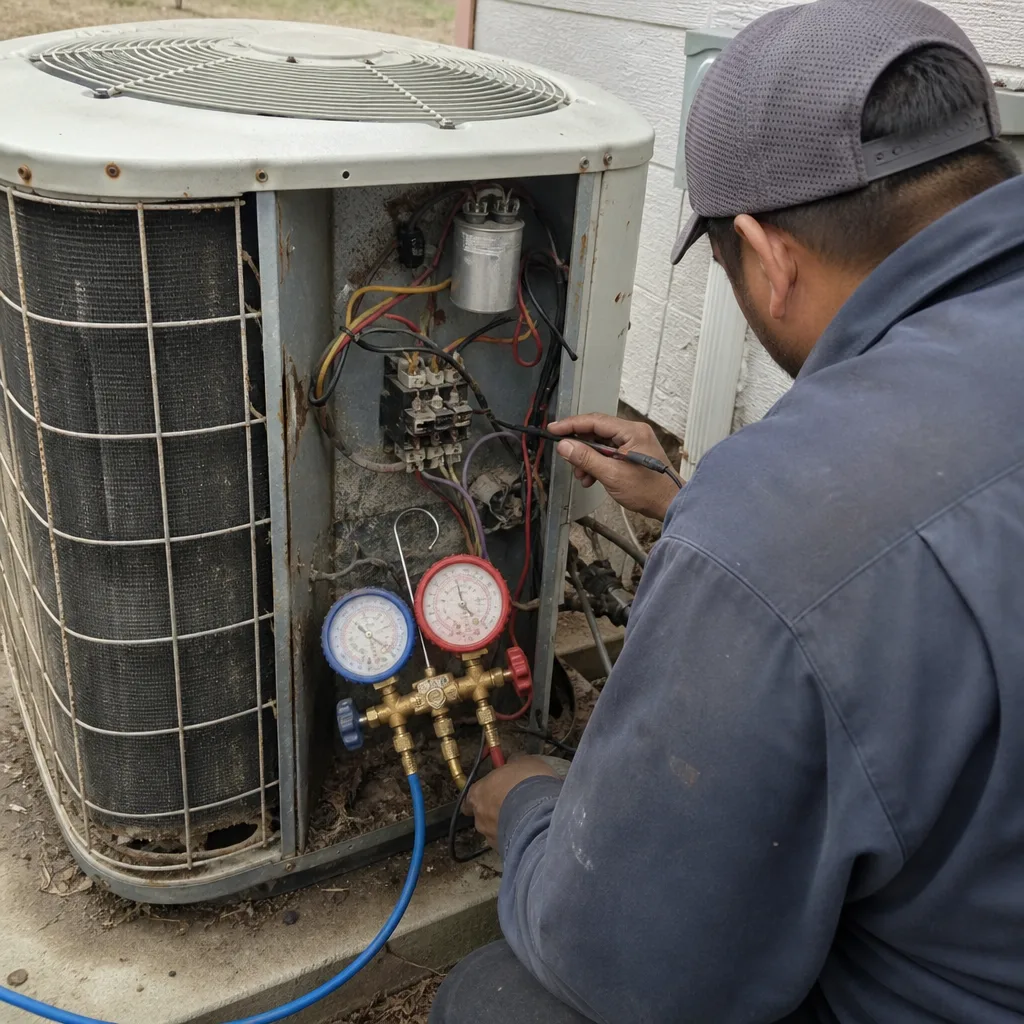 Before
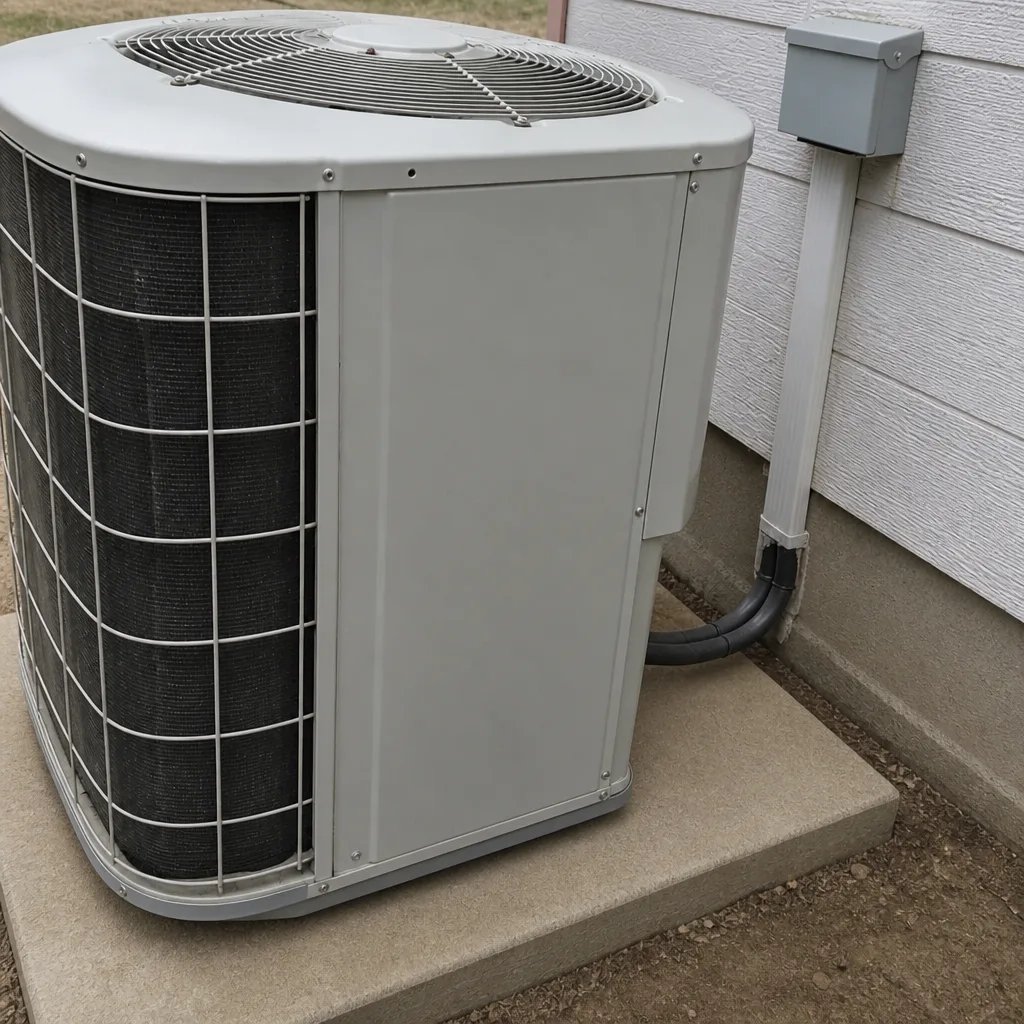 After
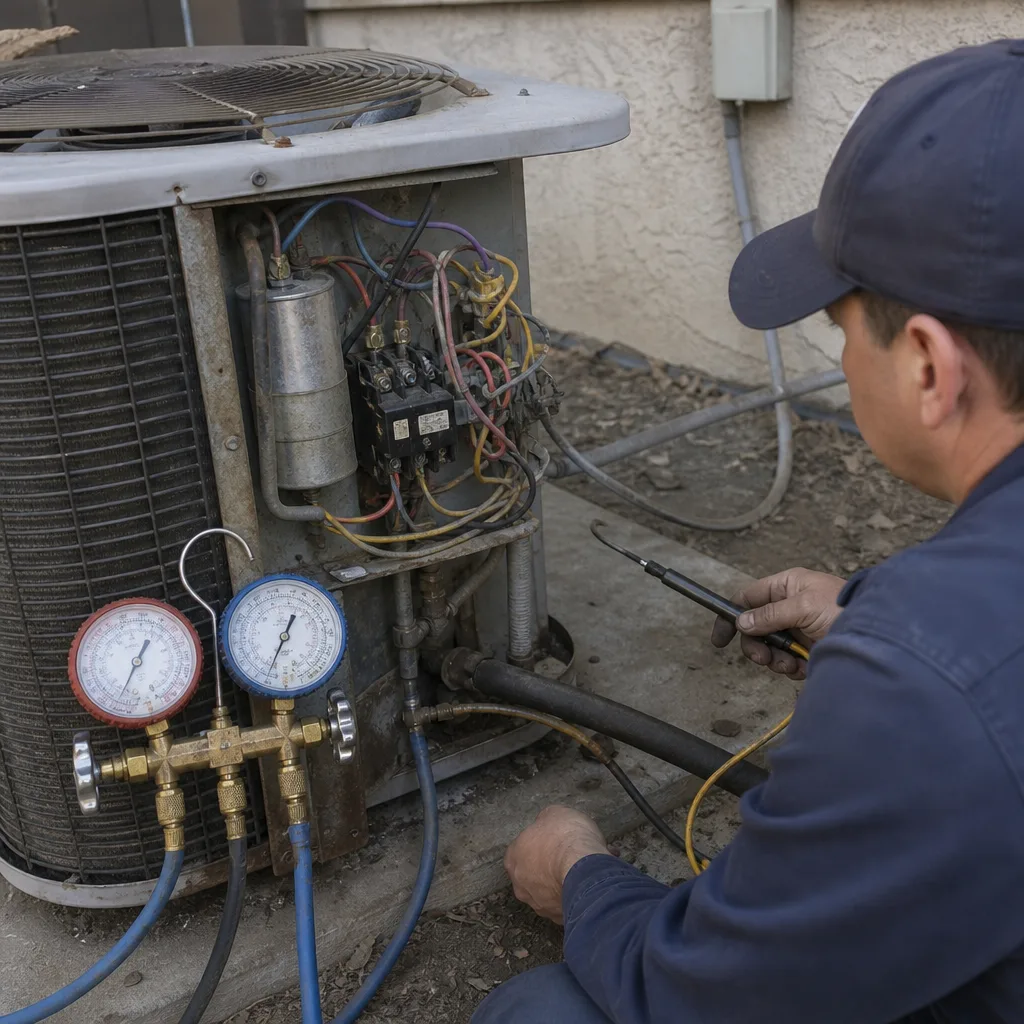 Before
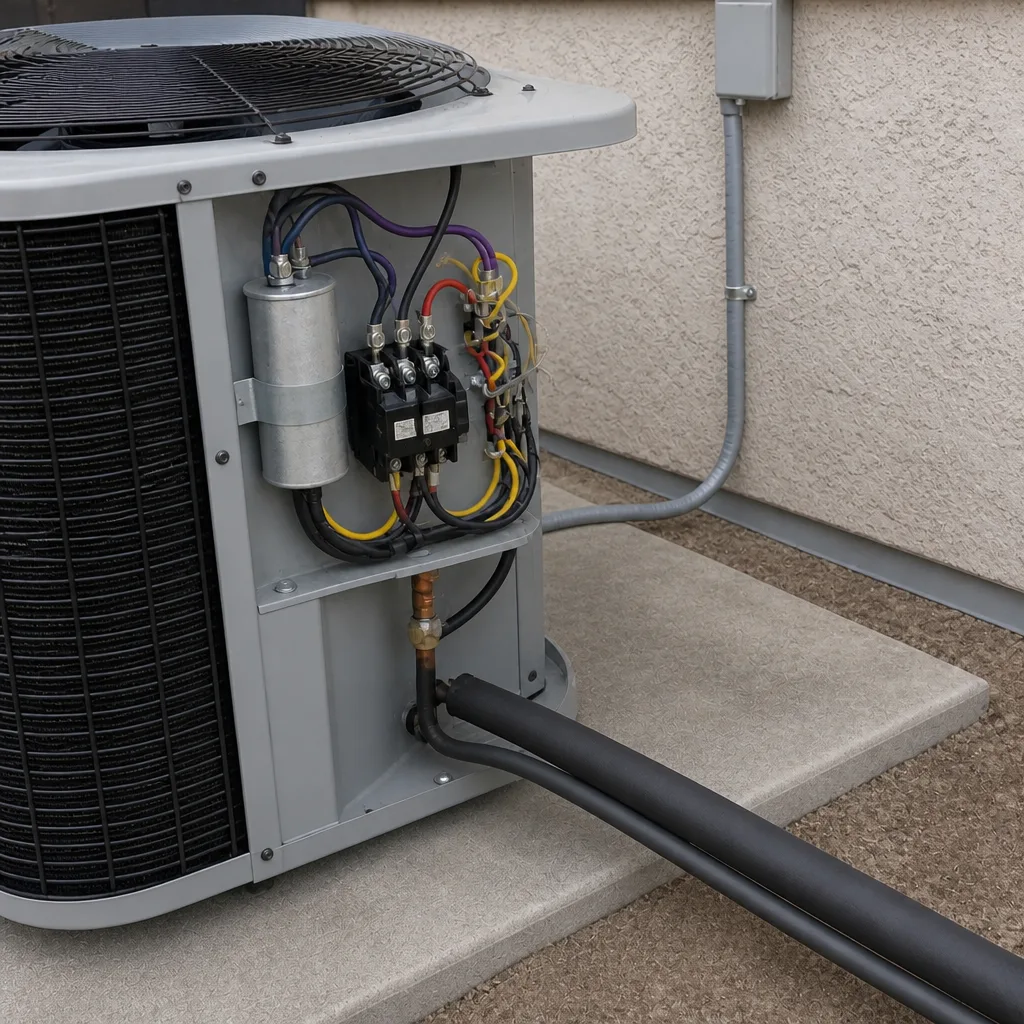 After
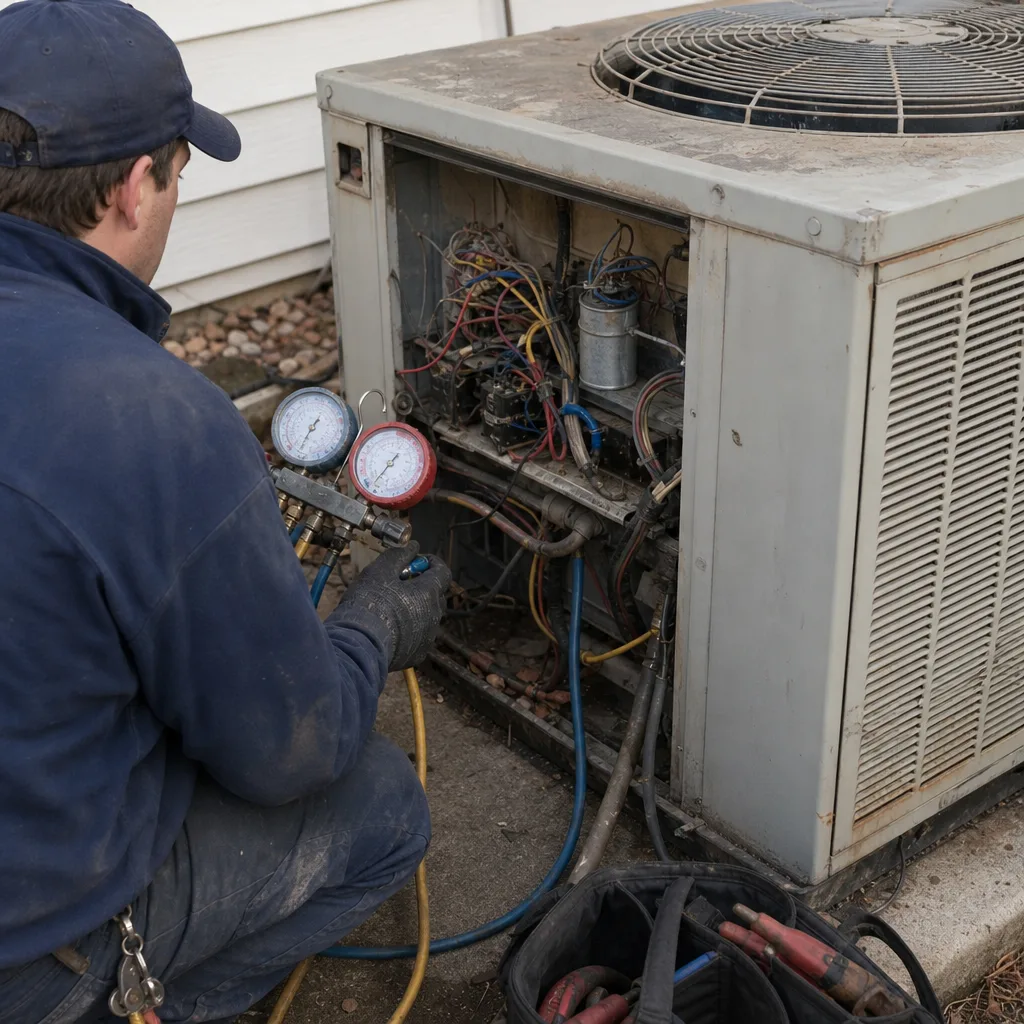 Before
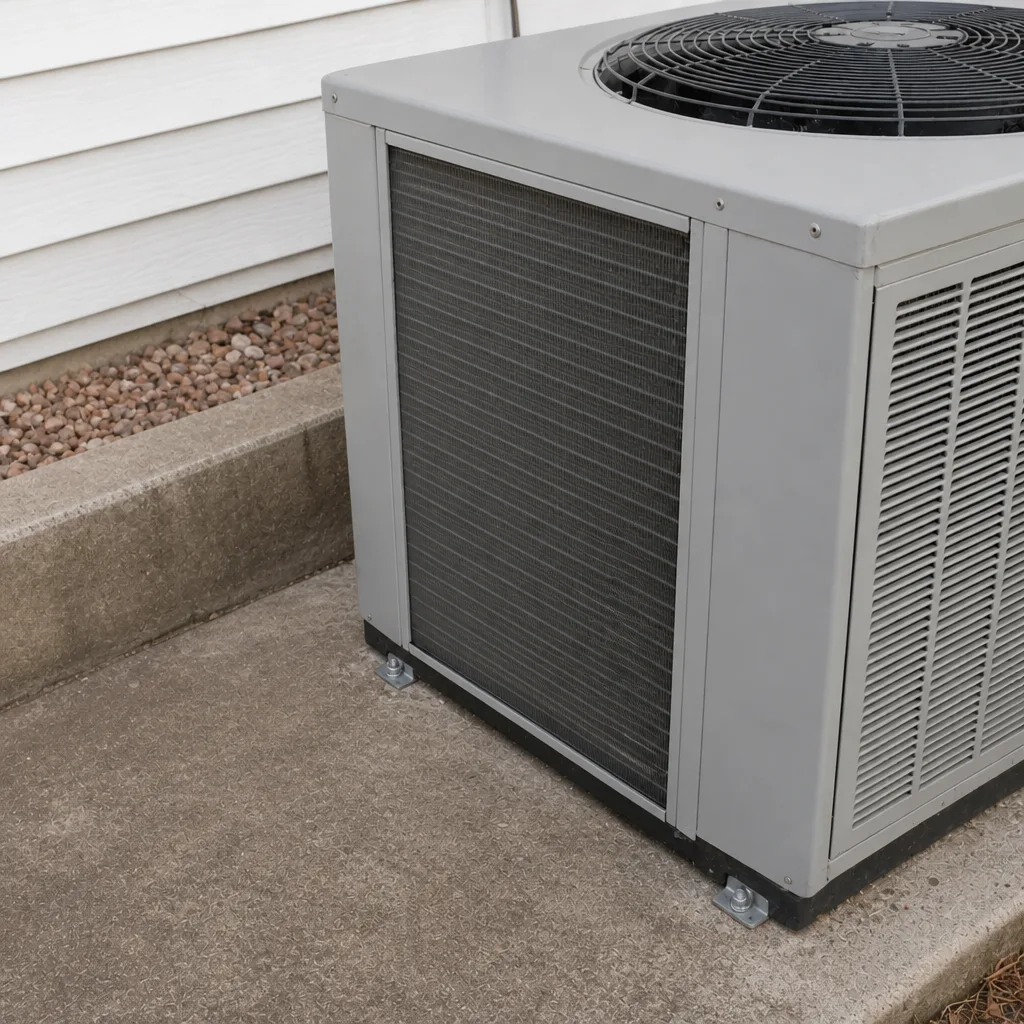 After
Frequently Asked Questions
The test is run time against results. A healthy system runs longer on a 110°F day and still reaches the thermostat setpoint; a failing one runs longer and never gets there. If the house plateaus short of target and the cooling is weak, the equipment is the problem, not the heat. Call (888) 335-7951 for a diagnostic, estimates are free.
Warm air from the vents is almost never the thermostat. The two most common causes are low refrigerant charge (or a leak) and an airflow restriction that lets the indoor coil freeze. Set the thermostat to “auto” once to rule out continuous fan mode, then have the system checked. Call (888) 335-7951 to book it.
A hiss near the indoor unit or refrigerant lines often points to a leak or a restriction, though it can also be airflow through a tight duct. Oil streaks near a fitting confirm it’s more likely a leak. A leak should be found, not just topped off. Call (888) 335-7951 for a look.
Contactor chatter, grinding, or a unit that won’t stay running are the shut-it-off sounds. They can mean a failing contactor, weak capacitor, or a straining compressor, and running it can cause more damage. Turn it off at the thermostat and call (888) 335-7951. We answer 24/7.
A quick check once a year, before peak heat, catches most of the slow problems this guide describes, like a weakening capacitor or a charge issue, while they’re still cheap to fix. A maintenance visit earlier in the season extends equipment life and heads off failures before they happen. Call (888) 335-7951 for a free estimate.
Yes. A failing system draws more current for the same work, so a bill that climbs while cooling drops is an early signal. Compare like months, deduct known changes, and if the jump survives, have the system checked. Call (888) 335-7951, estimates are free.
The Bottom Line
The signs that cost Winchester homeowners the most aren’t dramatic. They’re quiet ones: run times that climb without cooling, warm air that gets blamed on the thermostat, a bill that creeps up, frost or oil you walk past. Read against each other, those signs tell you a system is in decline while there’s still time to fix it. Check the filter and the outdoor unit yourself. Let a technician handle the refrigerant, electrical, and compressor side. Our technicians have up to 13 years of experience, and we work on all major brands, so we’ve seen your unit before. Catch the slow failure before it becomes a breakdown.
Get Your System Checked Before Peak Heat
If any of these warning signs look familiar, don’t wait for the breakdown. Winchester AC Repair offers free estimates in Winchester, and we’ll tell you plainly what we find and what needs fixing. Repair, install, or maintain, it’s the same specialist team. Call (888) 335-7951. We answer 24/7. Fast dispatch from 7am to 7pm, Sunday through Friday.
Written by the team at Winchester AC Repair.